1. Max Headroom
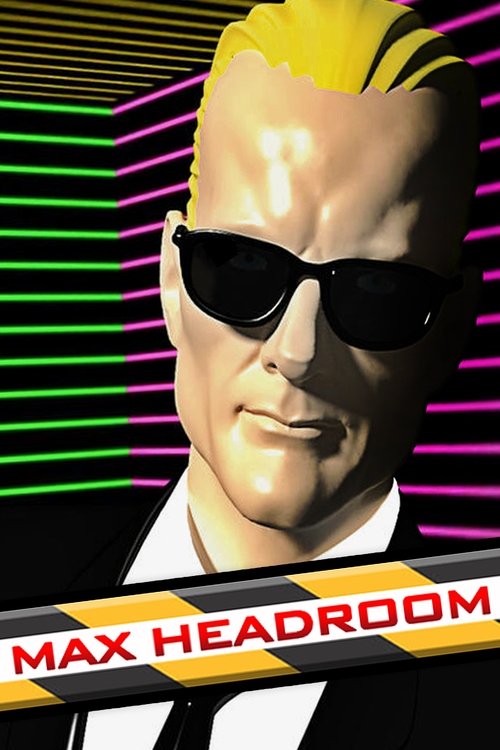
Max Headroom was like a glitch in the matrix, before we even knew what the matrix was. This show threw corporate satire, cyberpunk paranoia, and a stuttering AI host into a blender. It looked like nothing else on TV, all those low-res digital effects and practical weirdness, a true analog-digital hybrid. And it had something sharp to say about media overload, which is still painfully relevant. It was a proper assault on the senses, a real mind-bender for network television.
2. Liquid Television
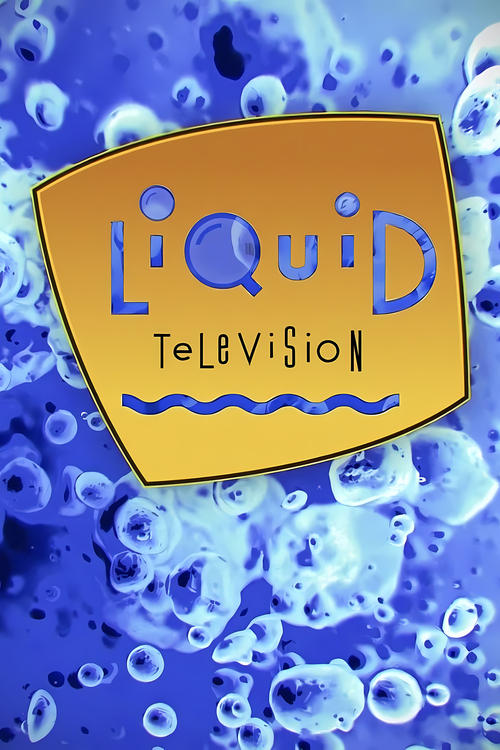
This wasn't just a show; it was a fever dream anthology. MTV used to be wild, and Liquid Television was its experimental playground. You'd get 'Æon Flux' segments next to some utterly bizarre claymation or abstract animation. It was a kaleidoscope of weird, pushing boundaries with every short. A breeding ground for new talent and ideas, proving that animation wasn't just for kids. Absolutely essential viewing for anyone tired of the mainstream.
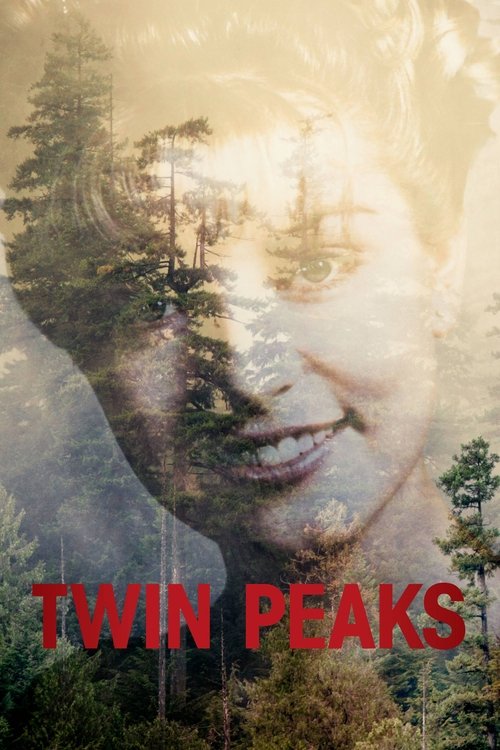
3. Twin Peaks
Lynch and Frost blew up network TV with this. It started as a murder mystery, sure, but quickly spiraled into something else entirely. Small-town charm mixed with cosmic horror, soap opera melodrama, and unsettling surrealism. You never knew what you were going to get, from dancing dwarves to cherry pie. It changed what drama could be, proving that weird could be prime time. Still messes with your head.
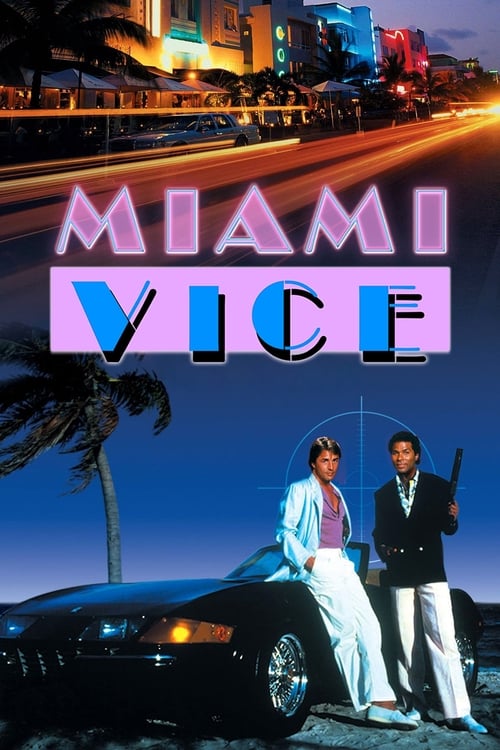
4. Miami Vice
Forget everything you thought cop shows were. Miami Vice was pure style, pure vibe. Neon lights, pastel suits, and a soundtrack that was practically a character itself. It was maximalist, sure, but it worked. The plots were secondary to the mood, the glossy visuals, and the inherent cool. It defined an entire era, making crime look like a music video. A sun-drenched, morally ambiguous fever dream.
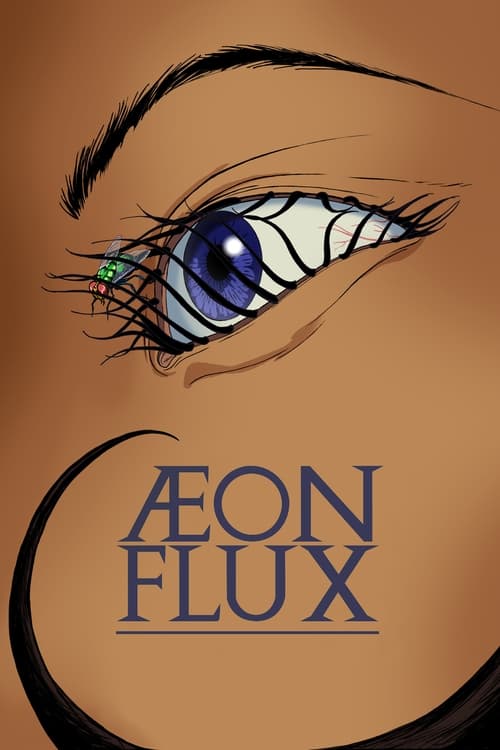
5. Æon Flux
Æon Flux was unlike any animation before it, or since. Peter Chung's vision was uncompromisingly adult, hyper-stylized, and utterly bizarre. The narratives were often opaque, more about kinetic movement and unsettling atmosphere than clear storytelling. It aired on Liquid Television, but its standalone series pushed the envelope even further. A pure shot of dystopian cool, drenched in fetishistic imagery and philosophical angst. It still looks revolutionary.

6. Lexx
This Canadian-German co-production was gloriously low-budget, high-concept space opera. It had a sentient, insect-shaped spaceship, a zombie security guard, and a robot head in a box. Darkly comedic, often grotesque, and totally unconcerned with conventional sci-fi tropes. It embraced its weirdness, creating a universe that felt both vast and claustrophobic. Lexx was an acquired taste, a true cult classic for those who appreciated its bizarre charm.
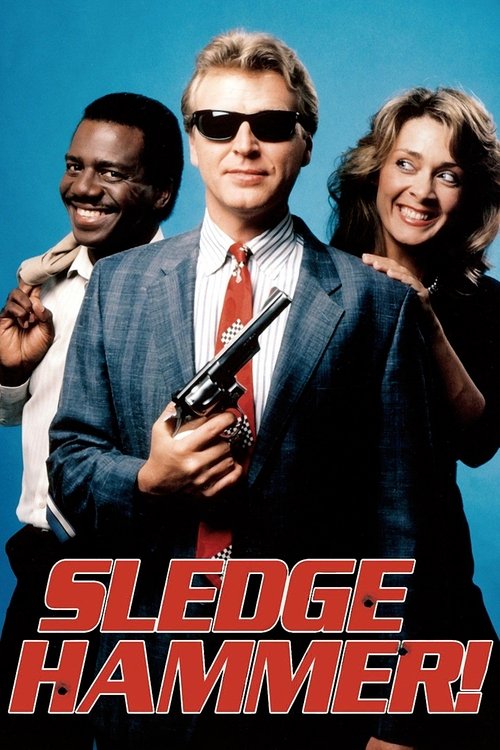
7. Sledge Hammer!
Before every other show was a self-aware parody, there was Sledge Hammer! This guy was Dirty Harry if Dirty Harry was a complete psychopath with zero self-awareness. It was a brilliant, biting satire of cop shows and hyper-masculinity, packed with absurd violence and slapstick. The deadpan delivery and escalating ridiculousness made it pure gold. It got cancelled fast, of course. Too smart, too crazy for mainstream prime time.
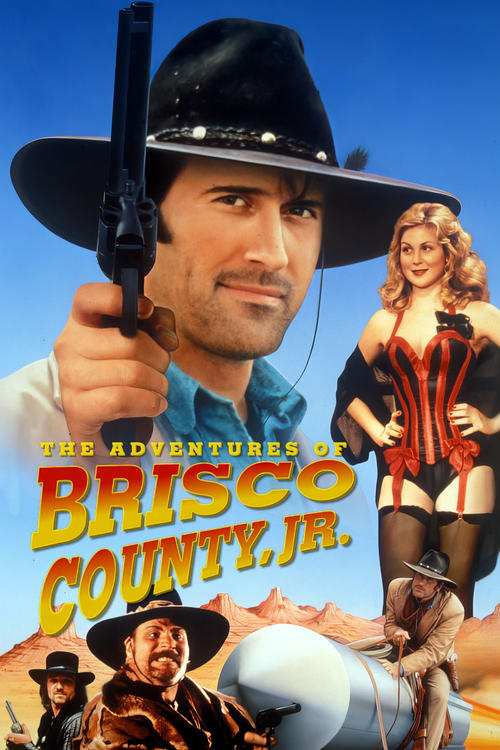
8. The Adventures of Brisco County, Jr.
Bruce Campbell in a sci-fi western. What more do you need? This show was ahead of its time, mixing Old West adventure with steampunk gadgets and a search for a mystical "orb." It had this amazing blend of earnest heroics and knowing camp. Fox probably didn't know what to do with it, which is a shame. It was a quirky, clever romp, a cult classic that deserved so much more.
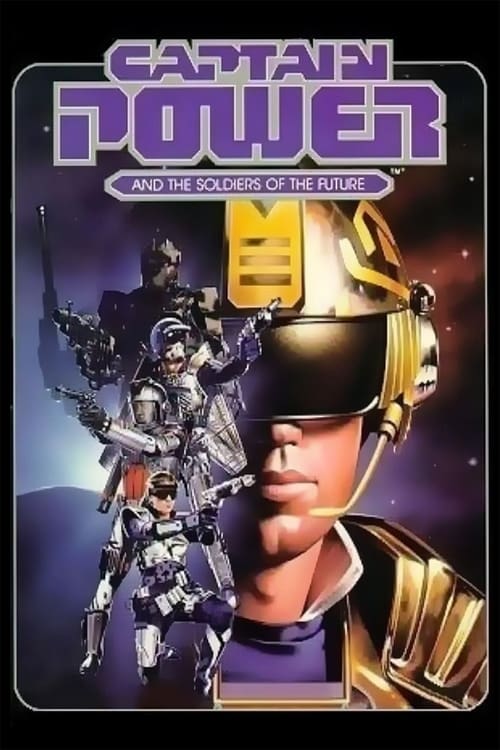
9. Captain Power and the Soldiers of the Future
This show was dark, seriously dark, for what was essentially a kids' show. Post-apocalyptic future, humans fighting sentient machines, and some truly creepy practical effects alongside early, clunky CGI. It was ambitious, trying to do something epic on a shoestring. The interactivity with toys was a gimmick, but the grim tone and bleak future stuck with you. It dared to be different, and it absolutely delivered on its strange promise.