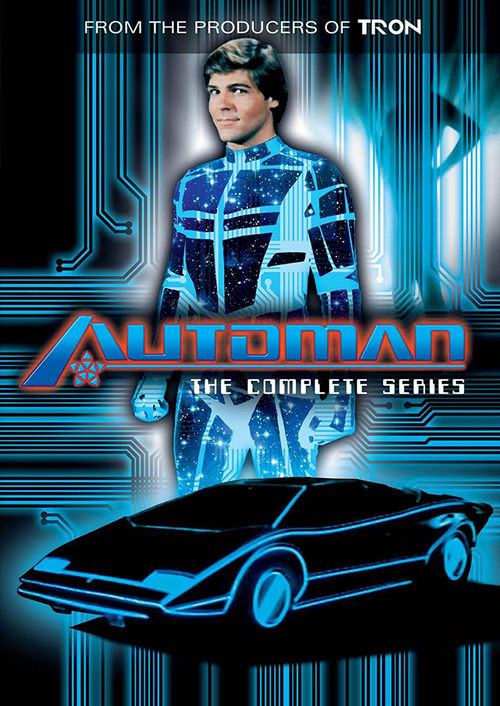
1. Automan
This show was pure 80s neon fantasy, a real dive into what early computer graphics could do on primetime. Yeah, the digital effects were clunky, but those light-trail effects on Automan and his car, Cursor? That was cutting-edge stuff for its time. A digital hero, literally jumping out of a computer screen, fighting analog crime with glitches and smooth moves. It was a perfect blend of nascent tech ambition and Saturday night cheese, a truly wild, experimental ride.
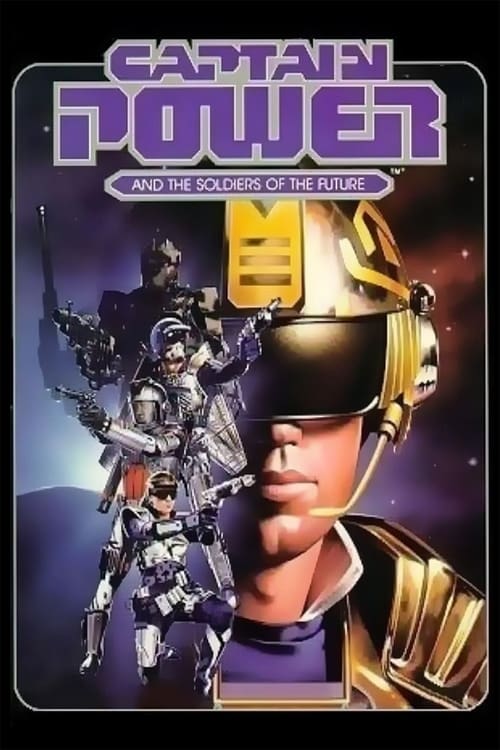
2. Captain Power and the Soldiers of the Future
Man, this was a grim vision for something aimed at kids. Post-apocalyptic future where robots hunted humans, and the heroes were basically survivors in power suits. It was surprisingly dark, pushing boundaries for what broadcast TV would allow. Plus, the interactive toy angle, where you could shoot at the screen? That was wild, bleeding edge stuff. A proto-cyberpunk nightmare wrapped in a Saturday morning package, genuinely gritty and unsettling.
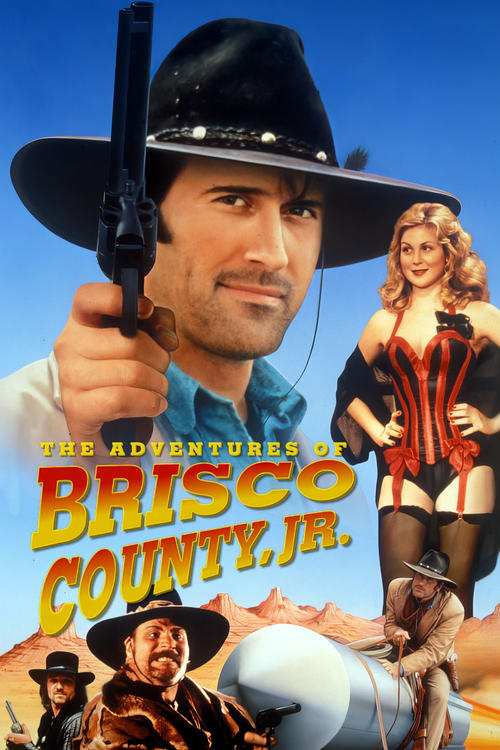
3. The Adventures of Brisco County, Jr.
Bruce Campbell as a Harvard-educated bounty hunter in a weird West where ancient artifacts granted strange powers? Yeah, it was as wild as it sounds. This show was a proto-steampunk, sci-fi western before anyone really knew what that meant. It had a self-aware, quirky vibe, blending classic serial adventure with outright absurdity. Fox cancelled it too soon, of course, but it left a lasting, bizarre impression. A real cult classic.

4. Tales from the Darkside
This was syndicated horror at its best and weirdest. Low budget, sure, but that just made the practical effects and unsettling stories pop even more. Each week was a new dose of bizarre, often twisted morality plays, with that iconic opening sequence setting the mood perfectly. It wasn't about jump scares; it was about creeping dread and the truly strange. A real late-night cable staple, gritty and unforgettable, always delivering a dose of the surreal.
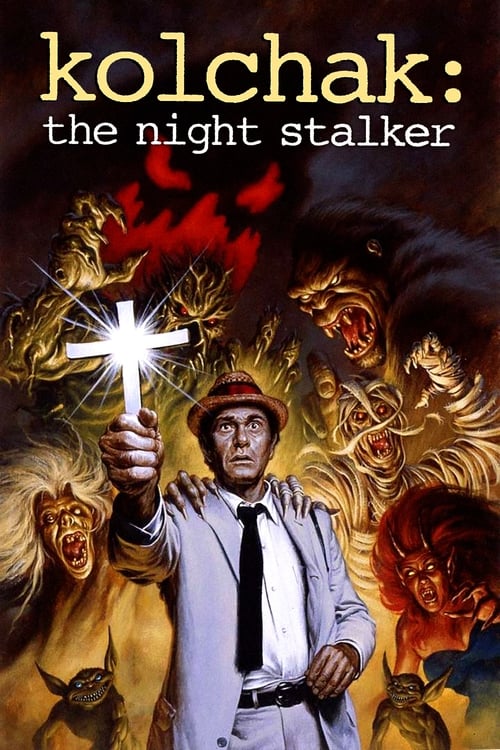
5. Kolchak: The Night Stalker
Before Mulder and Scully, there was Kolchak, a rumpled reporter chasing down vampires, werewolves, and all kinds of urban legends. This show nailed the 'monster-of-the-week' formula with a cynical edge. He was always right, nobody believed him, and he always got the short end of the stick. It was a dark, gritty look at the supernatural hiding in plain sight, a real precursor to so much of what came later, holding up surprisingly well.
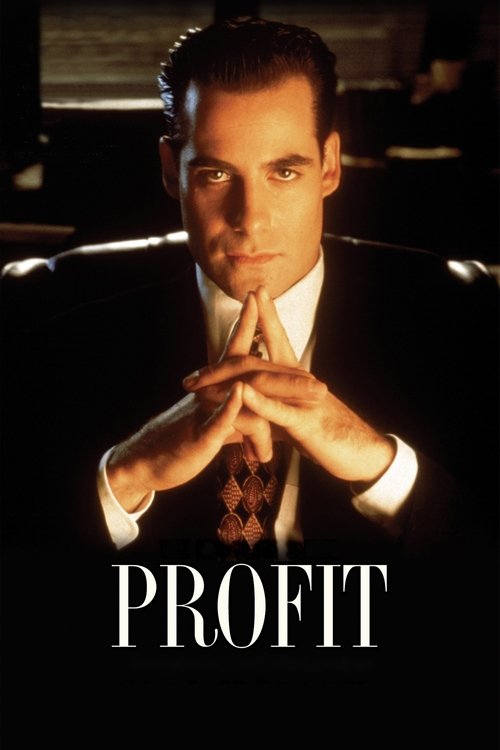
6. Profit
This show was pure corporate nihilism, way ahead of its time. Jim Profit was an utterly amoral, brilliant psychopath climbing the ladder, and we were along for the ride. It pushed boundaries with its dark humor and explicit depiction of ruthless ambition. This wasn't some feel-good workplace drama; it was a brutal, cynical look at unchecked power, so unsettling that maybe that's why it didn't last. A truly provocative, aggressive watch.
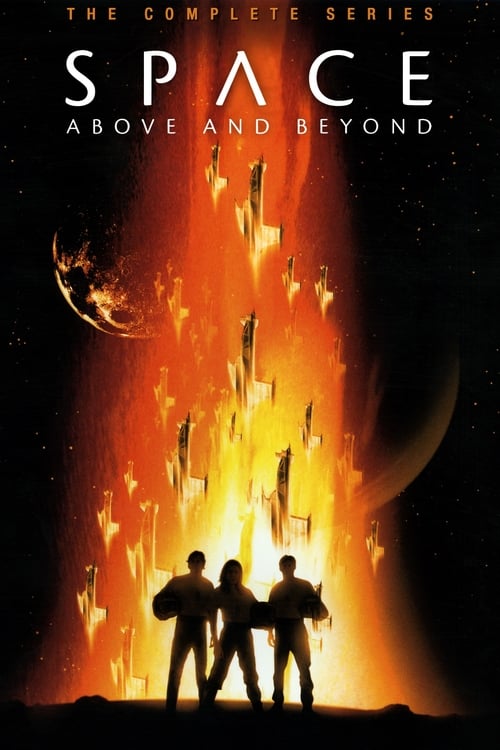
7. Space: Above and Beyond
Fox tried to give us a gritty, realistic space war, and they mostly succeeded. This wasn't shiny Starfleet; it was grunt soldiers fighting aliens with practical effects and genuine sacrifice. The 'In Vitro' storyline, the serialized nature, and the sheer scale of the conflict felt ambitious. It was a serious, dramatic take on future warfare, dark and often brutal, pushing network TV sci-fi into more mature, epic territory than ever before.

8. Friday the 13th: The Series
Don't let the title fool you; Jason Voorhees was nowhere near this show. This was about a trio recovering cursed antiques, each episode a standalone horror story built around a malevolent object. It was classic syndicated horror, often with a surprisingly high body count and genuine creepiness for its time slot. The practical effects for the cursed items and their victims were always the highlight, a true cult gem, genuinely cursed television.
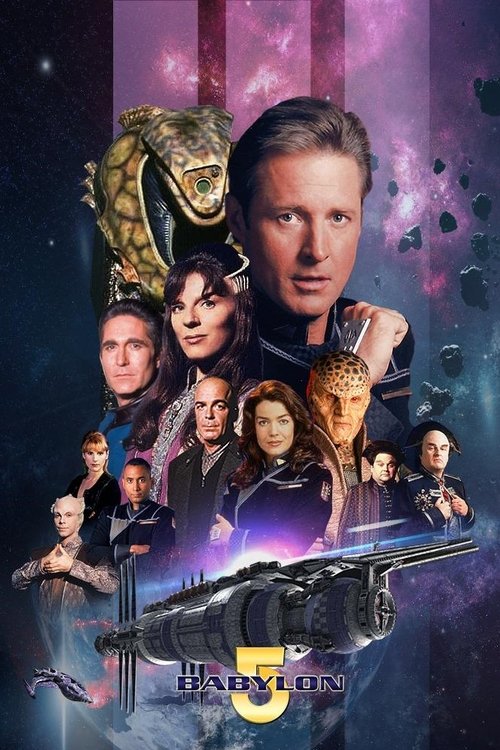
9. Babylon 5
This show redefined serialized sci-fi storytelling on television. They had a five-year arc planned from the start, and it showed in the deep lore and character development. Sure, the early CGI was rough, but the practical models for the station and ships were iconic. It tackled complex political themes, war, and religion with a seriousness rarely seen in the genre, proving sci-fi could be both grand and smart, a truly epic vision.