

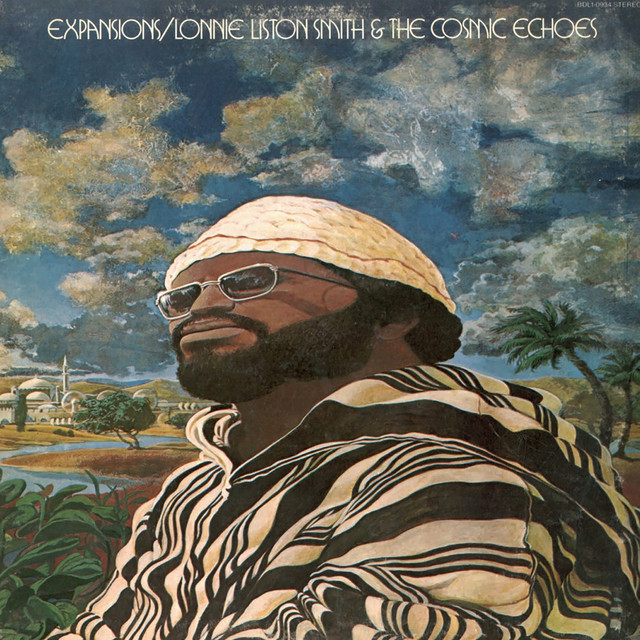
1. Expansions
Lonnie Liston Smith’s '74 masterpiece is a triumph of cosmic jazz-fusion, a seamless melding of spiritual improvisation and undeniable funk propulsion. The Fender Rhodes and Moog basslines, recorded with such analog warmth, create an immersive, almost psychedelic journey. This isn't just jazz; it’s an astral projection propelled by an impeccably tight rhythm section, demonstrating the expansive sonic possibilities of the pre-digital studio. Its groove remains utterly infectious.
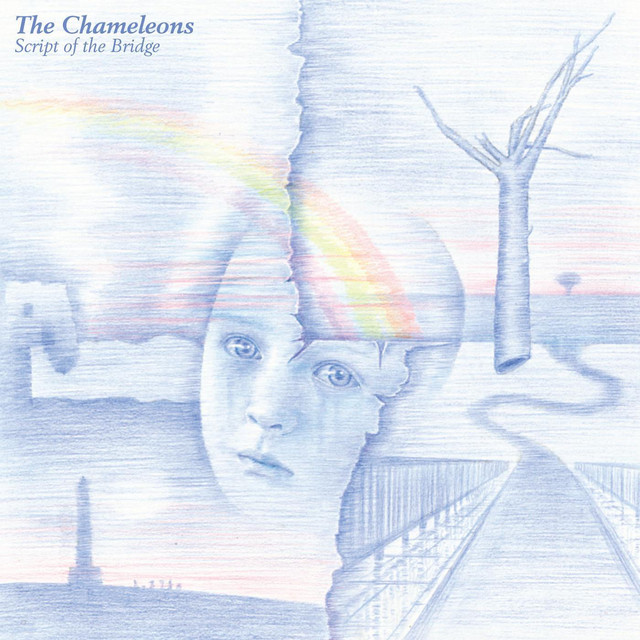
2. Script of the Bridge (Remastered)
While the 'remastered' tag suggests modernity, the core of 'Script of the Bridge' remains its '83 analog brilliance. The Chameleons crafted a melancholic yet expansive post-punk soundscape with layered, reverberating guitars that felt like entire weather systems. The distinct push-and-pull of the dual guitars, drenched in chorus and delay, built towering, introspective architectures. It’s a masterclass in atmospheric arrangement, capturing existential dread with tangible sonic depth.
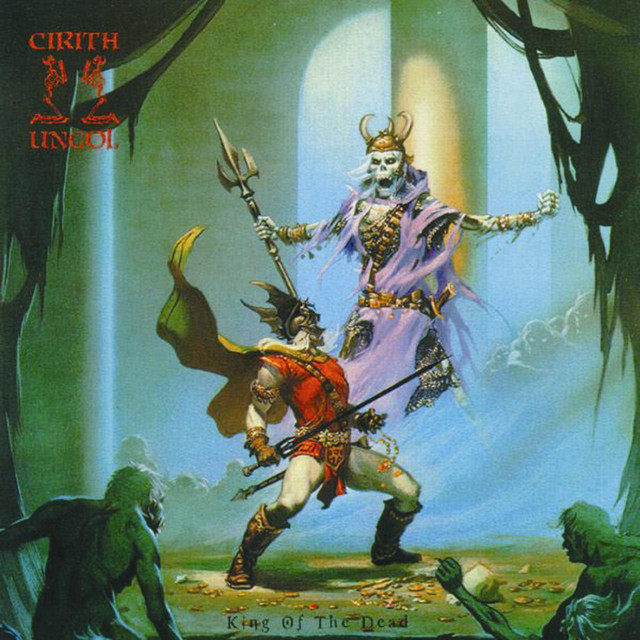
3. King of the Dead
Cirith Ungol's '84 offering is a raw, untamed beast, a cornerstone of epic doom. The production, unpolished and visceral, only amplifies its primal power. Tim Baker's wailing vocals soar over crushing, analog-distorted riffs, sounding like the lament of ancient kings. This wasn't slick; it was pure, unadulterated heavy metal forged in the pre-digital crucible, a testament to raw intent and uncompromising sonic vision. Its cult status is entirely earned.
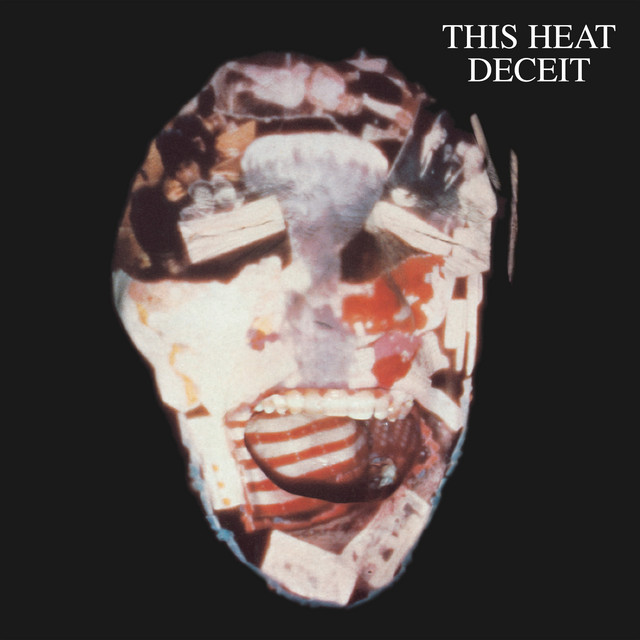
4. Deceit
'Deceit' from '81 remains a stark, unsettling artifact. This Heat’s approach to sound was architectural, constructing bleak, rhythmic soundscapes from tape loops, industrial clatter, and fractured melodies. The raw, almost claustrophobic analog recording captures every abrasive texture and percussive attack, creating a truly avant-garde post-punk statement. It’s a challenging listen, yet its intricate, dystopian sonic world is undeniably compelling, pushing the boundaries of what rock could be.
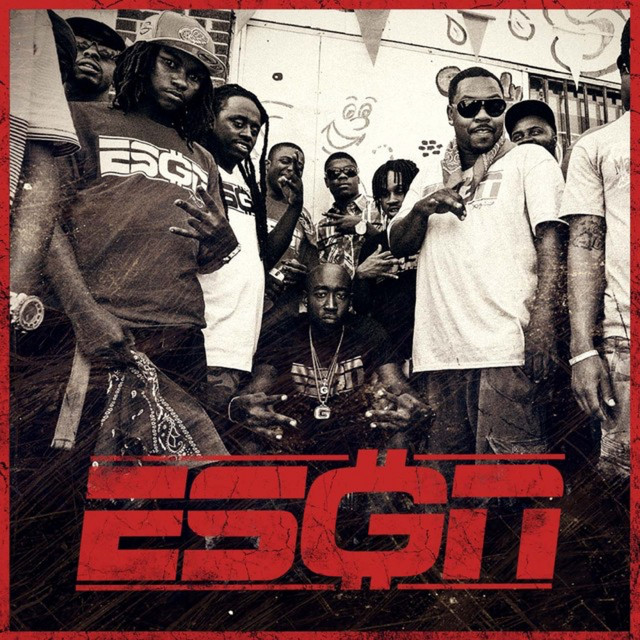
5. ESGN - Evil Seeds Grow Naturally
Assuming this refers to the spirit of their early work, the production here embodies the gritty, sample-driven heart of late '80s East Coast rap. The beats are raw, often derived from obscure funk and soul breaks, lending a tangible, street-level authenticity. Kool G Rap’s dense, complex rhymes, delivered with surgical precision, intertwine perfectly with these boom-bap rhythms. It’s a masterclass in pre-digital sampling and verbal dexterity, foundational to the genre’s evolution.
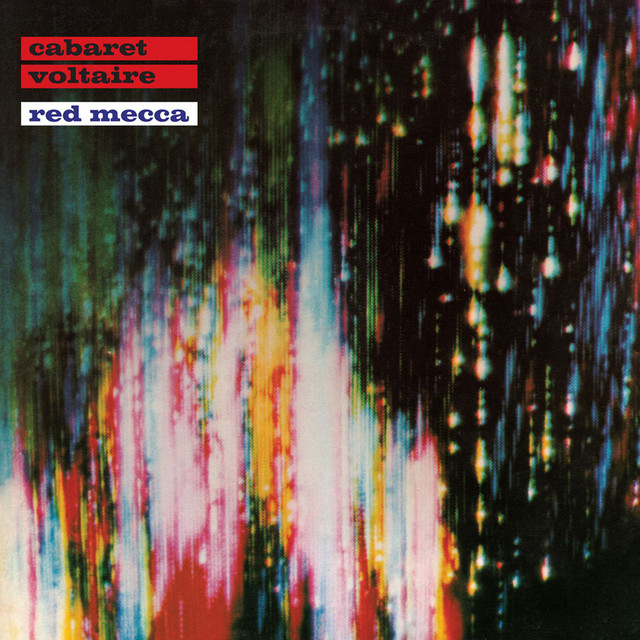
6. Red Mecca
Cabaret Voltaire’s '81 opus is a chilling dive into industrial rhythmic abstraction. They eschewed traditional instrumentation for tape loops, found sounds, and early analog synthesizers, crafting a dystopian soundscape that felt both alien and deeply human in its unease. The raw, unvarnished production captures the mechanical clatter and cold electronic pulses with stark clarity, forming a blueprint for industrial music that remains profoundly influential and unsettling.
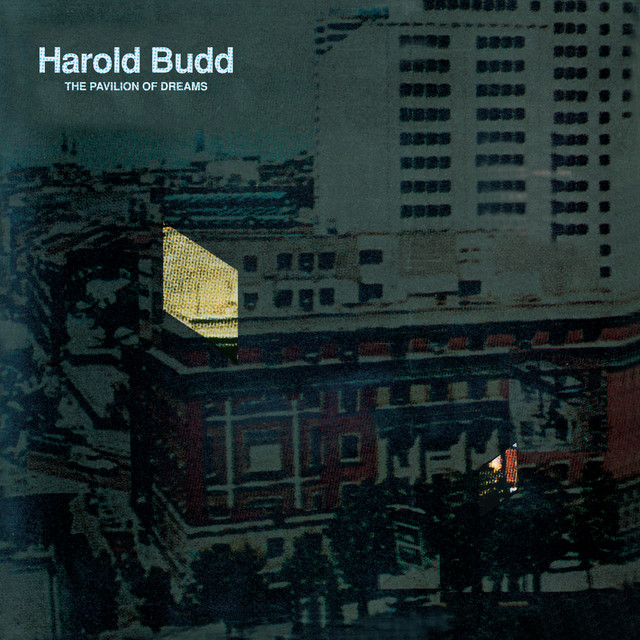
7. The Pavilion Of Dreams
Harold Budd's 1978 album is an ethereal marvel, a pivotal work in ambient music. Its delicate, sustained piano melodies, bathed in the warmth of analog reverb and subtle orchestration, create a profound sense of spaciousness and serenity. This wasn't background music; it was an invitation to introspection, demonstrating how carefully sculpted analog textures could evoke such deep emotional resonance without overt drama. A truly timeless, immersive experience.
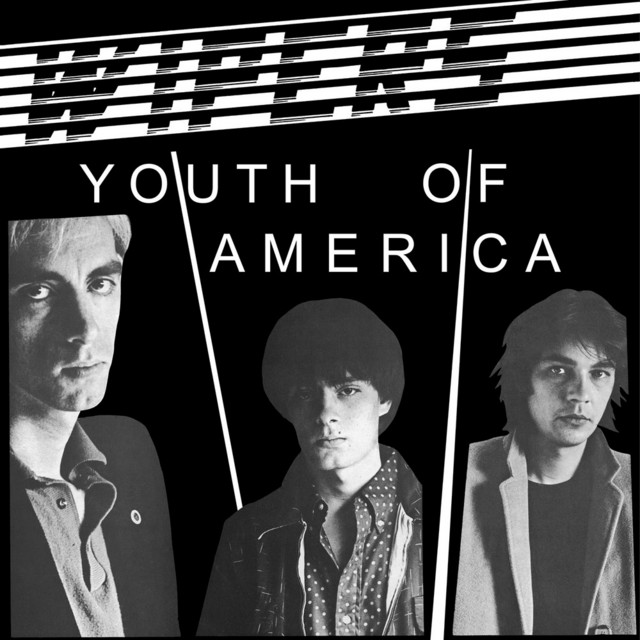
8. Youth of America
Wipers' '81 album is a sprawling, intense statement, pushing post-punk into darker, more expansive territory. Greg Sage’s raw, feedback-laden guitar work and extended song structures create a hypnotic tension, amplified by the album's unadorned, direct analog recording. It captures a palpable sense of alienation and urgency, laying groundwork for future alternative and grunge movements with its raw power and melodic abrasion. A truly essential, influential recording.