1. Alpha Protocol
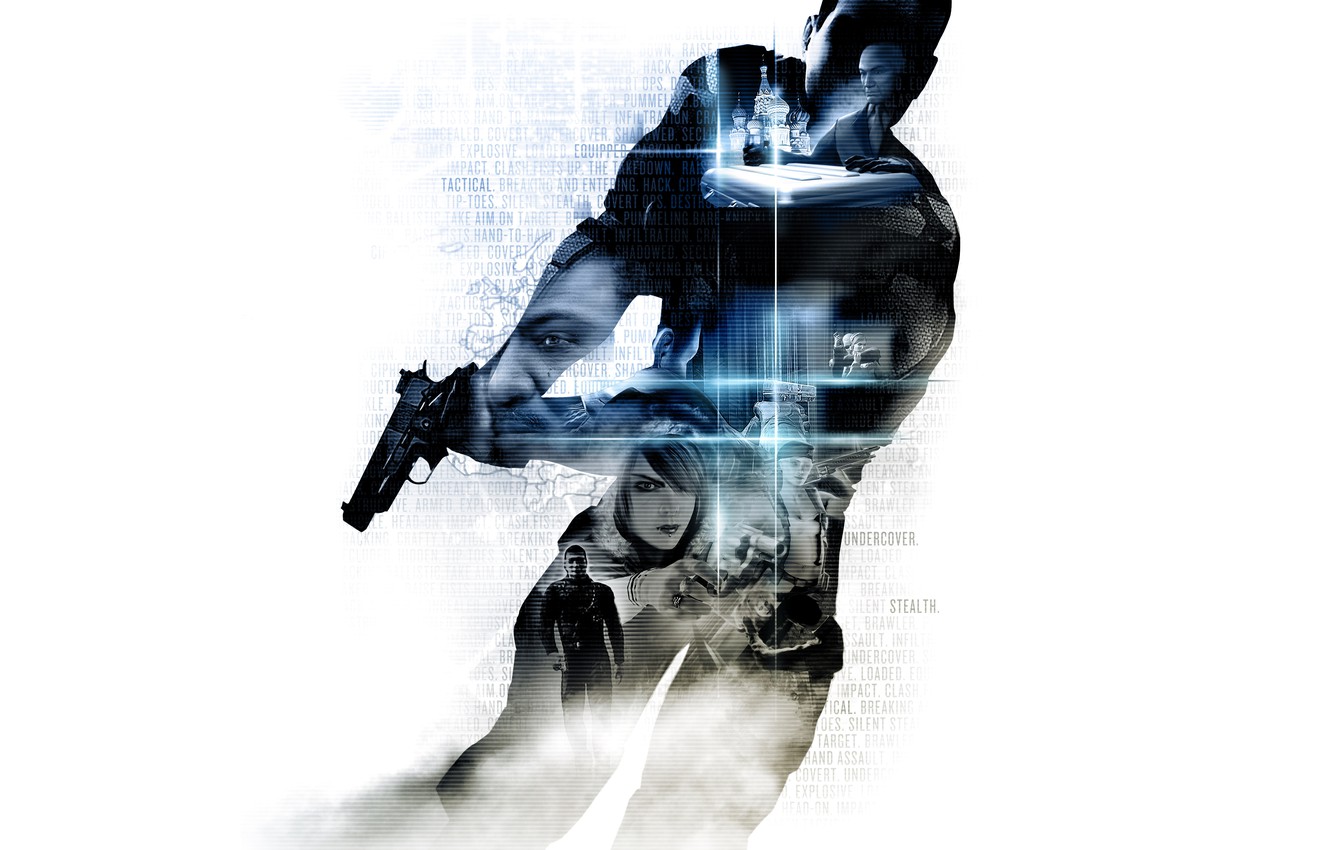
This spy RPG was a glorious mess, wasn't it? Sure, the combat was janky, but where else could your dialogue choices genuinely redefine relationships and plot outcomes? It was a bold, ambitious experiment in player agency years before others caught up, offering a truly reactive narrative experience. Obsidian dared to be different, and the industry, sadly, responded with a shrug, denying us the complex spy saga we deserved.
2. Spec Ops: The Line
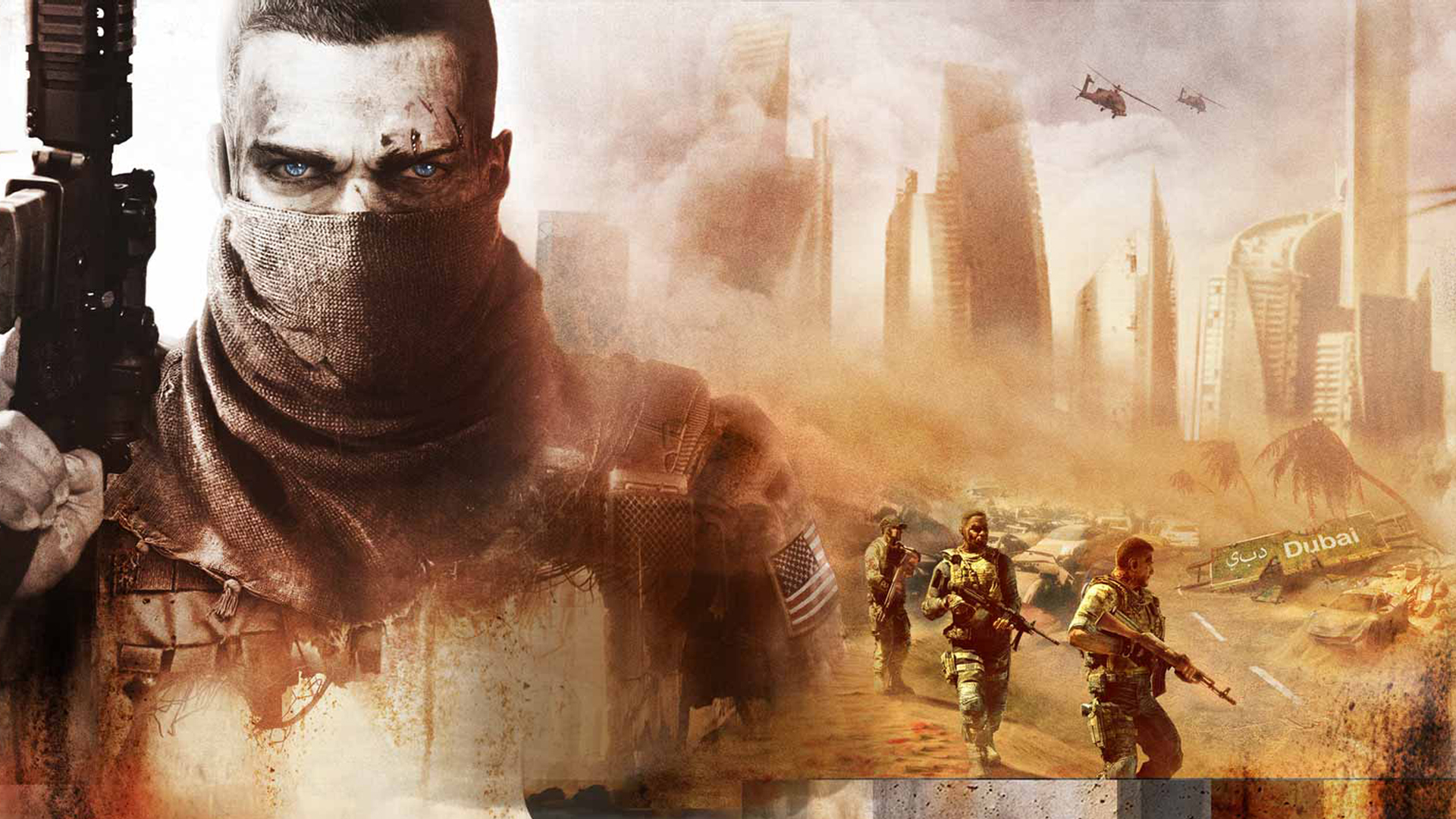
Man, this game hit different. It started as another military shooter, then slowly, brutally, ripped apart the genre's glorification of war. The story masterfully challenged player morality and agency, leaving you genuinely disturbed and questioning every bullet fired. It wasn't just a game; it was a psychological operation on the player. And it proved that sometimes, a truly dark, introspective narrative is far more impactful than endless sequels.
3. Prey
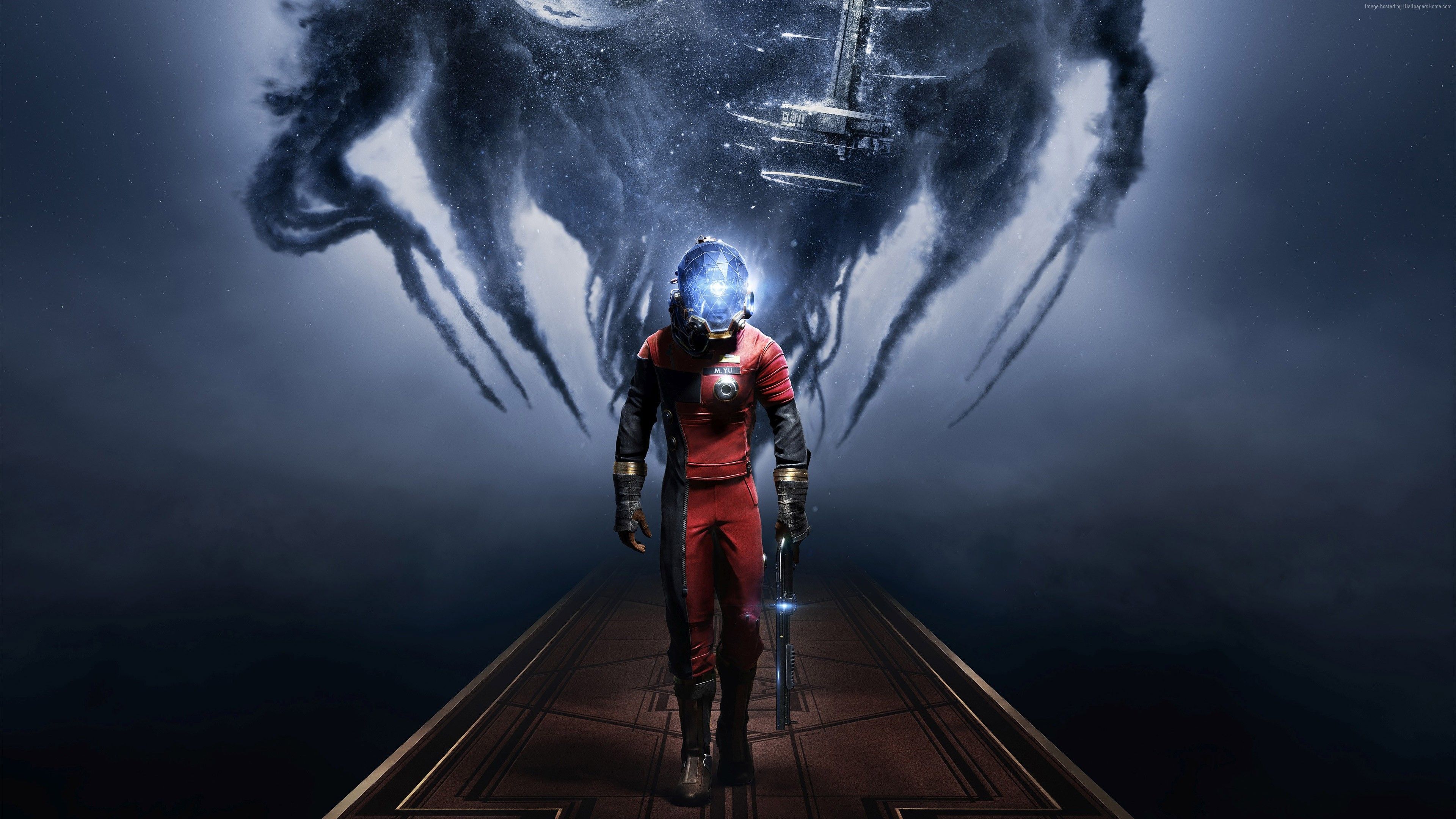
Arkane delivered a masterclass in immersive sim design with Prey. Talos I was a character in itself, full of secrets, emergent gameplay, and that delicious feeling of being outmatched but clever. It was a true spiritual successor to System Shock, offering unparalleled freedom in problem-solving. But the market, ever fickle, saw it as 'just another space shooter,' overlooking its intricate brilliance for more digestible, less demanding fare.
4. Singularity
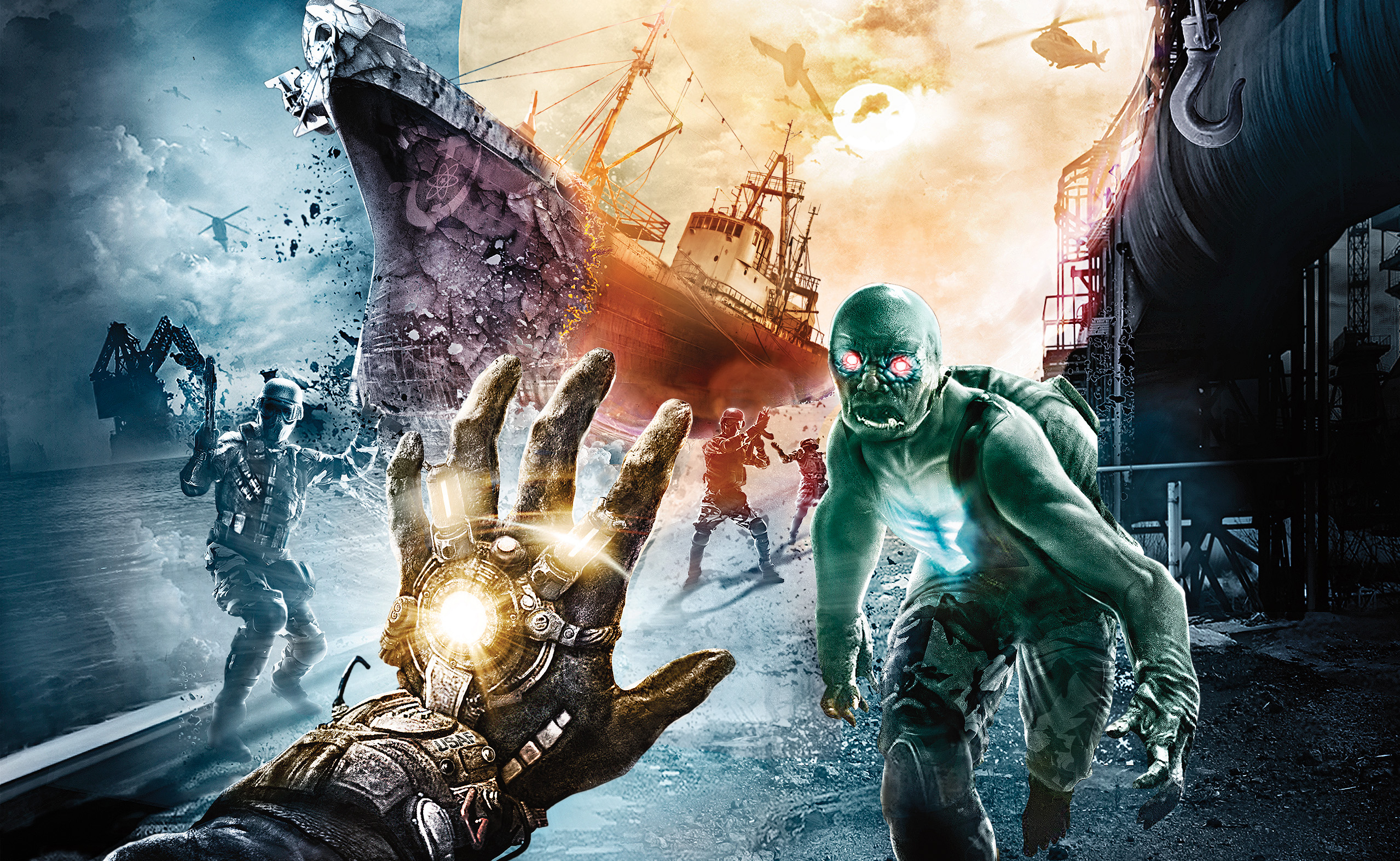
Remember this gem? Singularity brought back that classic FPS feel with a brilliant twist: a time-manipulation device that made combat and puzzles incredibly satisfying. It had a B-movie sci-fi vibe, solid gunplay, and some genuinely clever mechanics. It was pure, unpretentious fun, a standout in an era flooded with drab military shooters, yet it faded into obscurity. A real shame, because it had more heart than most blockbusters.
5. Binary Domain
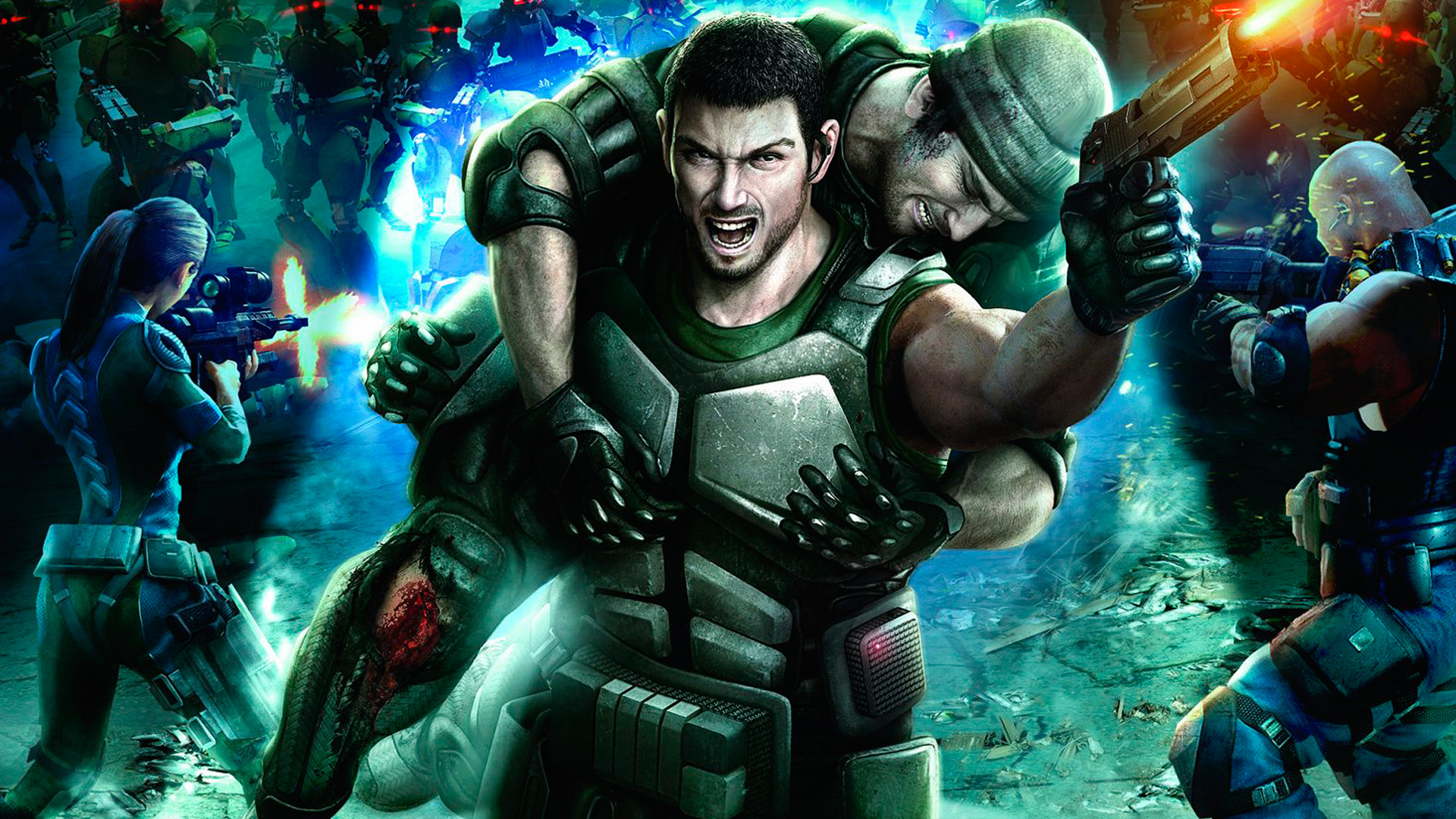
Alright, hear me out: Binary Domain. A Japanese studio taking on a Western-style shooter, and nailing it. The squad trust system was genuinely innovative, influencing story and combat. Plus, those destructible robots? Pure catharsis. Its story about humanity versus AI was surprisingly thoughtful, too. It deserved so much more recognition than it got, a vibrant, character-driven shooter lost in a sea of generic grey.
6. Grim Dawn
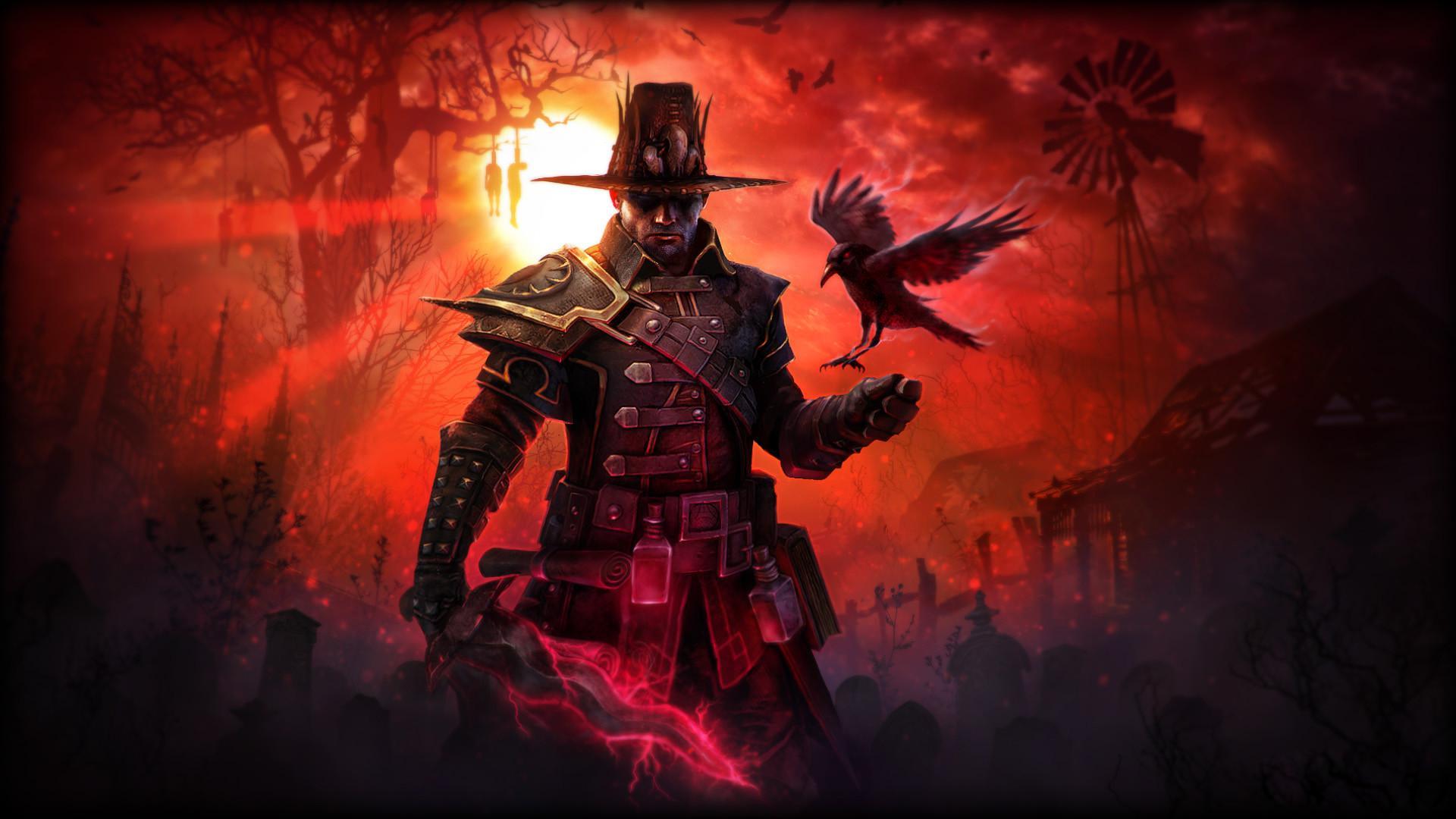
For anyone who craved a darker, deeper ARPG experience after Diablo 3 stumbled, Grim Dawn was a godsend. Its dual-class system allowed for insane build diversity, and the grim, Lovecraftian world was just oozing atmosphere. Crate Entertainment proved that passion and solid mechanics can beat out massive budgets and aggressive monetization any day. It’s a game built for players, not just quarterly reports, and it shows.
7. Sleeping Dogs
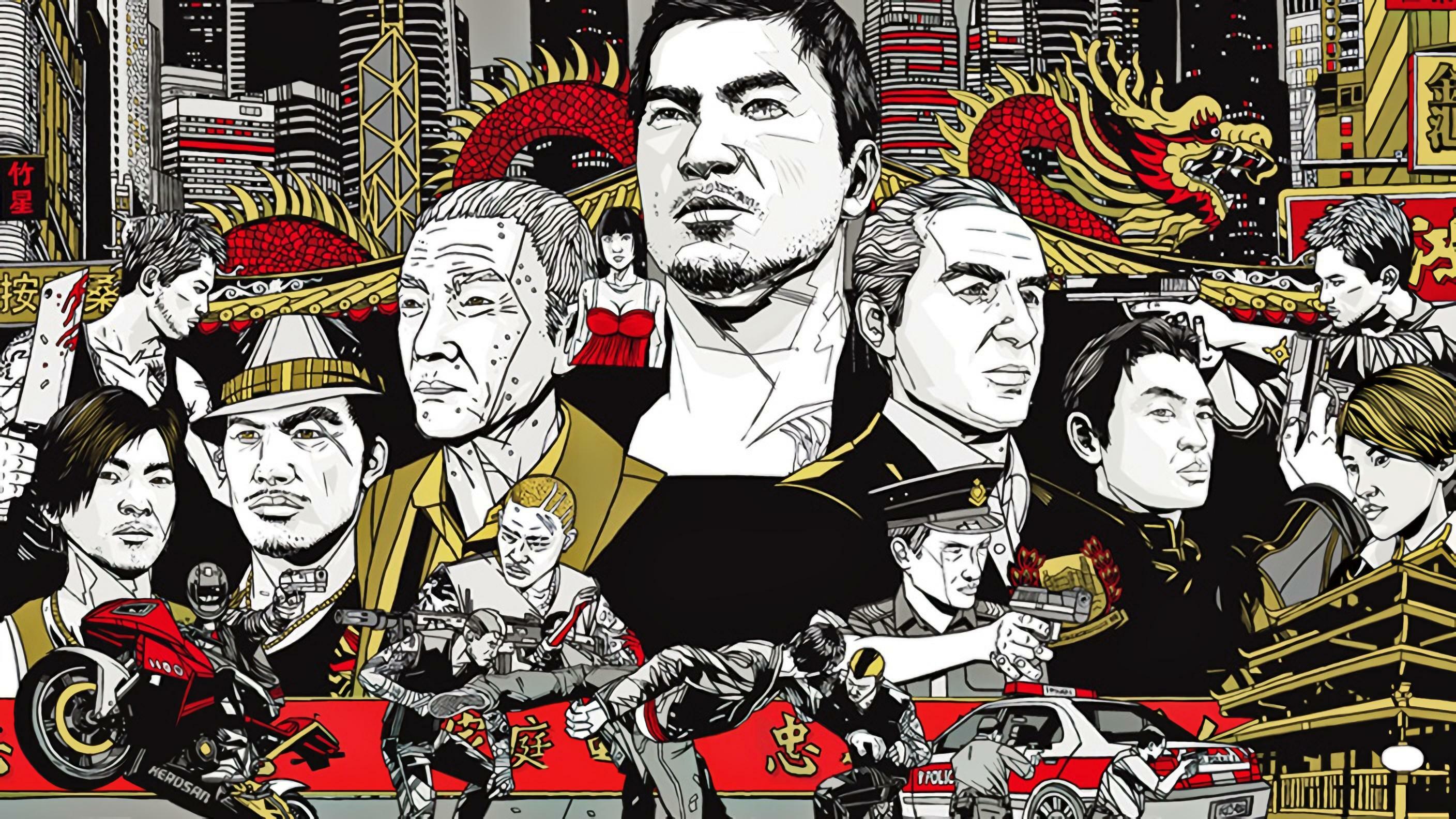
Oh, Sleeping Dogs. Hong Kong never felt so alive in a video game. The martial arts combat was fluid, brutal, and utterly addictive, making every street brawl a cinematic ballet of pain. Its compelling story, caught between loyalty and duty, gave it a soul that many open-world games lack. It was a unique, vibrant experience that deserved to spawn a whole franchise, not just a cult following.
8. Transistor
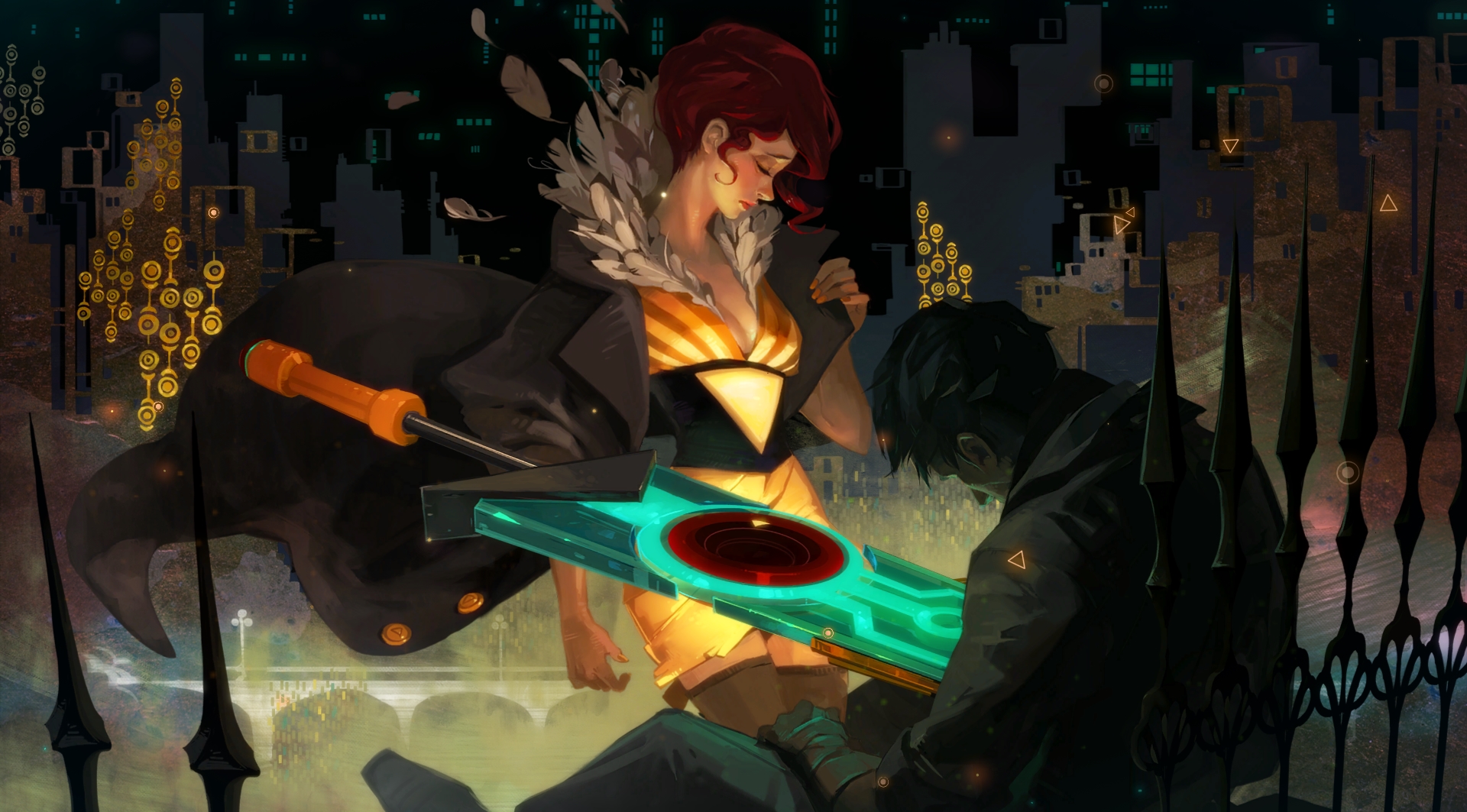
Supergiant Games just *gets* it. Transistor is a masterclass in style, substance, and sound design. Its tactical combat system was fresh, the art direction was breathtakingly unique, and the soundtrack? Pure auditory bliss. It told a poignant, melancholic story with minimalist elegance, proving that narrative depth doesn't need endless cutscenes. A perfect example of how indie studios often out-innovate the giants.