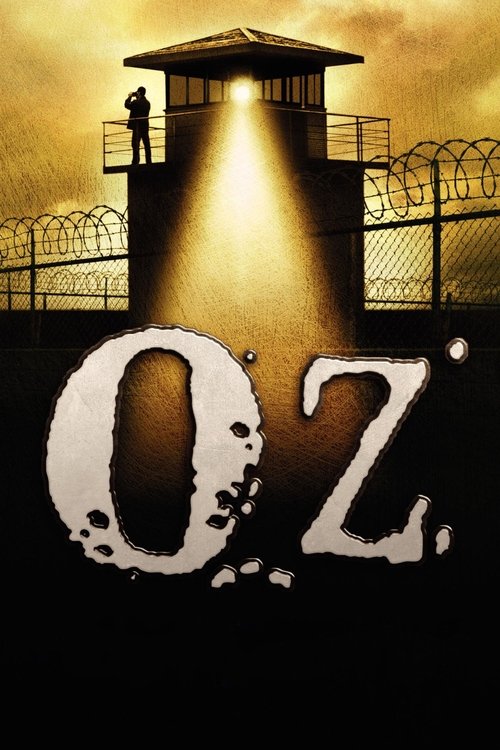
1. Oz
Before everyone was talking about prestige TV, *Oz* kicked down the door in '97. HBO just let this thing breathe, a raw, unflinching look at prison life. It wasn't just violence; it was character studies, an ensemble piece that dared you to look away. This was serial storytelling that felt like a punch to the gut, proving cable could do things network wouldn't even dream of. A real game-changer for pushing the envelope.
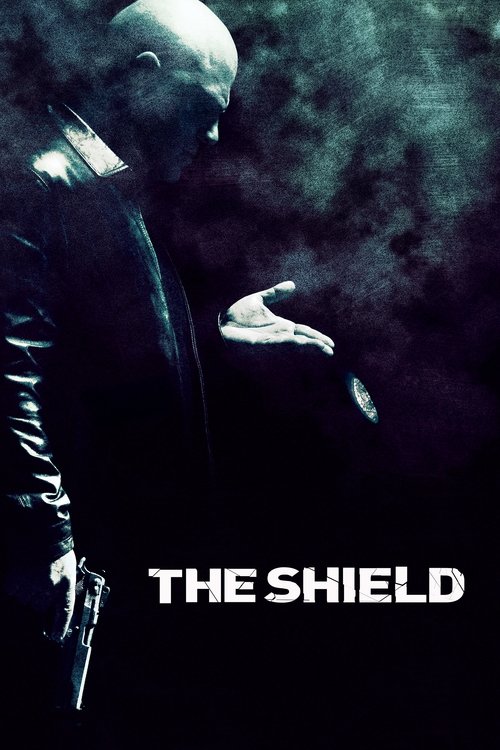
2. The Shield
FX stepping up in 2002 with *The Shield* was something else. Vic Mackey wasn't just a cop; he was a walking moral dilemma, a truly compelling anti-hero before that term became a cliché. The show just barreled forward, serialized storytelling at its finest, showing how far you could push boundaries on cable. It felt grittier, more real, setting a new standard for cop dramas outside the broadcast networks.
3. Six Feet Under
*Six Feet Under* in 2001 was HBO doing what it did best: deep-dive character work with a morbid sense of humor. Every episode started with a death, but it was about life, and family, and all the messy bits in between. The ensemble was incredible, each character getting their moment. It was emotionally complex, serialized, and proved that TV could be as profound and artistic as any film.
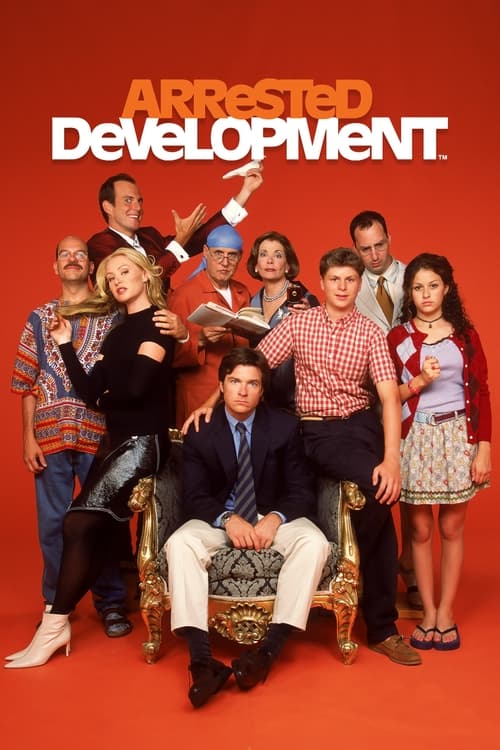
4. Arrested Development
When *Arrested Development* dropped on Fox in 2003, it was unlike any sitcom. That mockumentary style, the layered jokes, the running gags – it demanded attention. You had to pay attention to get everything, which felt revolutionary for comedy. It was arguably too smart for network TV at the time, but it laid groundwork for a different kind of serialized, cinematic comedy. Pure genius.
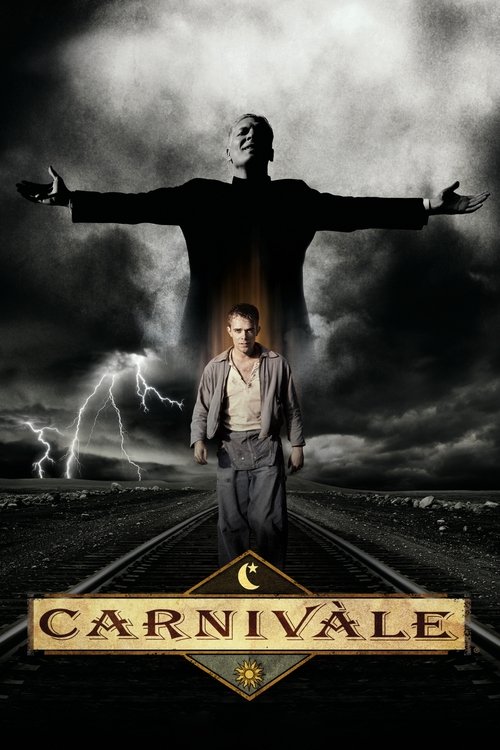
5. Carnivàle
*Carnivàle* in 2003 was a visually stunning, deeply atmospheric show. HBO threw money at it, and you could see it on screen – cinematic in a way TV rarely was. The intricate, serialized mythology and the Depression-era setting were ambitious. Maybe it was too much for weekly consumption, hinting at a future where on-demand viewing would let you truly immerse yourself in such a dense, beautiful world.
6. Boomtown
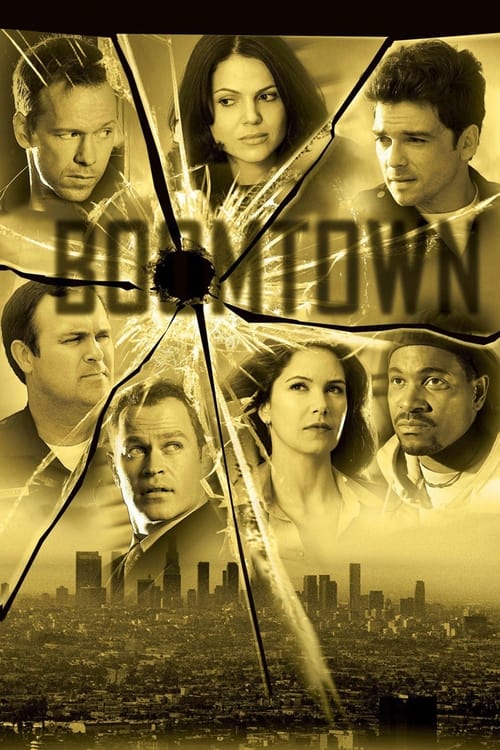
*Boomtown* in 2002 was NBC trying something daring for network TV. It took a procedural format and twisted it with non-linear storytelling, showing events from different perspectives. The ensemble cast was strong, and it felt more cinematic than your average cop show. It was a bold experiment, a clear signal that even broadcast networks were feeling the pressure to innovate with serialized, complex narratives.
7. Terriers
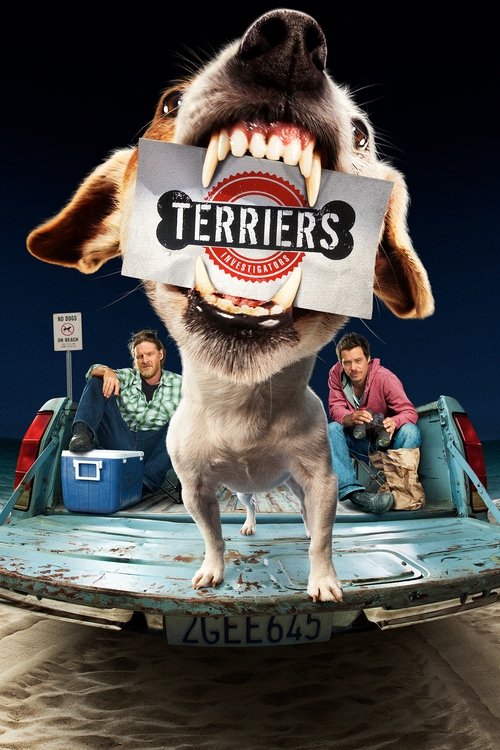
*Terriers* in 2010 was an absolute gem that too many people missed. FX delivered this perfect blend of crime drama and buddy comedy, feeling like a long, great indie film. The serialized story and the lived-in characters were just fantastic. It showed how a cable channel could quietly produce something so rich, so character-focused, proving that TV could be both intimate and compelling.
8. The Kingdom
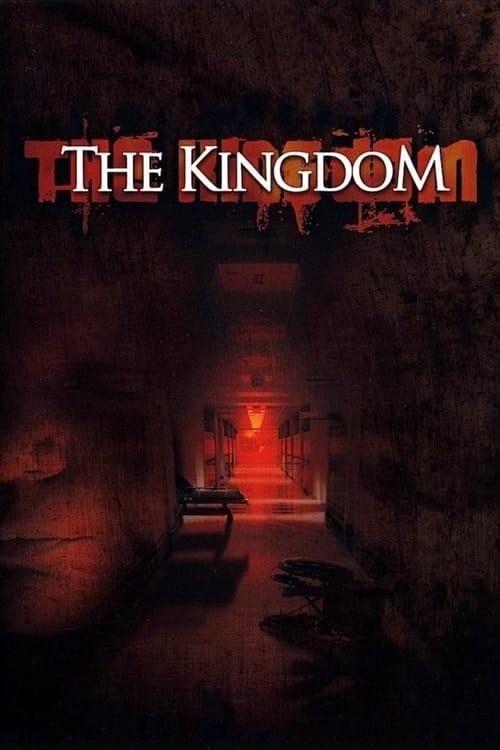
Lars von Trier's *The Kingdom* from '94, that Danish miniseries, felt like a peek into TV's future. It was cinematic, surreal, and serialized in a way few things were at the time. You had to seek it out, which almost foreshadowed an on-demand world. Its raw, unsettling style and long-form narrative proved that television, especially international, could be a deeply artistic and groundbreaking medium.