
1 / 8
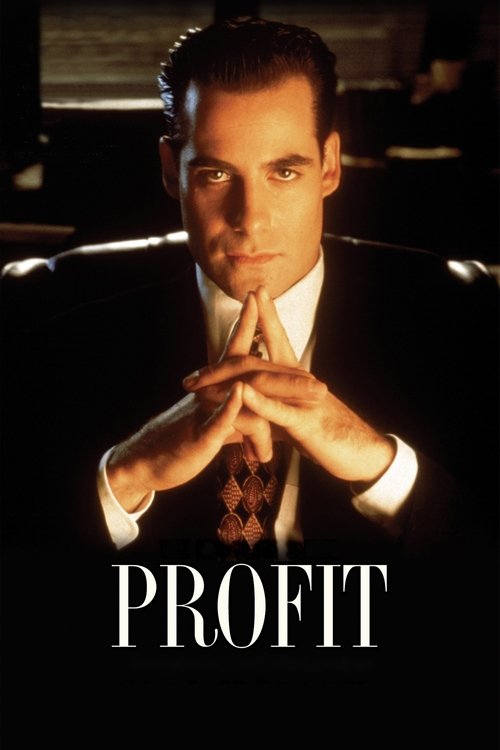
1. Profit
This Fox series was way ahead of its time, giving us an anti-hero who'd make Tony Soprano blush, years before the cable boom. Jim Profit was pure corporate sociopathy, manipulating everyone with chilling precision. It showed networks *could* go dark, serialized, and morally ambiguous, even if audiences weren't quite ready for such a cynical ride. A brave, brutal experiment.
2 / 8
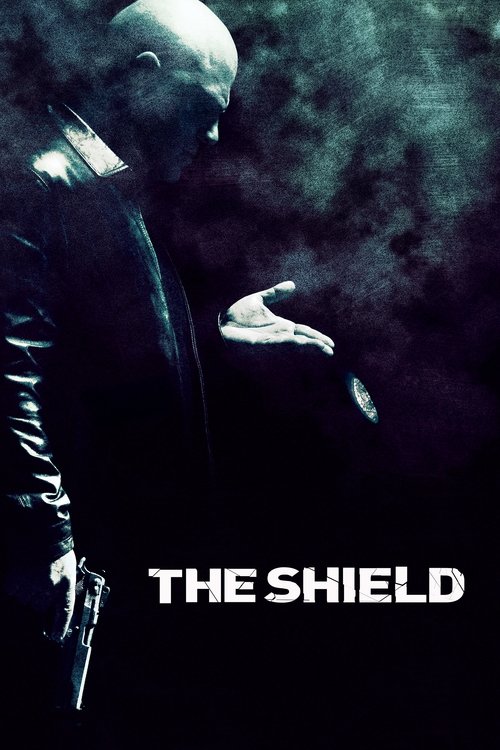
2. The Shield
When FX launched this, it wasn't just another cop show. Vic Mackey’s Strike Team blurred the lines of justice, delivering a raw, uncompromising look at law enforcement. This was premium cable grit on basic cable, proving you didn't need HBO money to tell complex, serialized stories with truly flawed protagonists. It established FX as a serious player and paved the way for more anti-hero dramas.
3 / 8
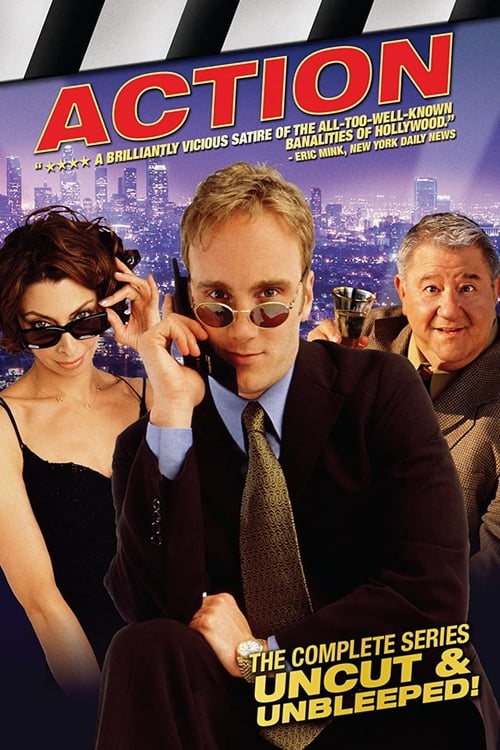
3. Action
Before meta became a tired trope, there was "Action." This Fox comedy was a brutal, hilarious, and deeply cynical look behind the curtain of Hollywood. It mocked everything – greed, ego, hypocrisy – with a shocking frankness network TV rarely dared. It felt like an R-rated cable show accidentally landed on broadcast, pushing the boundaries of what was acceptable and showing the power of sharp, unapologetic satire.
4 / 8
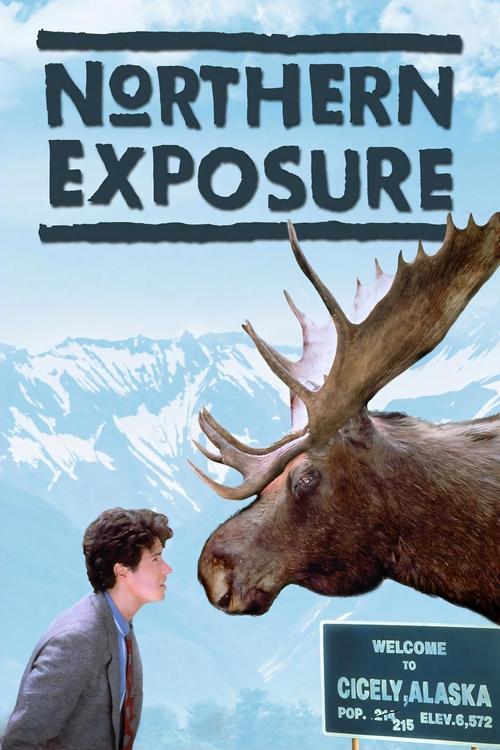
4. Northern Exposure
This wasn't your average network fare. It spun a delightful, often surreal, tapestry of life in a quirky Alaskan town. More about character study and atmosphere than plot, it built an ensemble that felt like family. It proved that intelligent, offbeat humor and introspective storytelling could thrive, laying groundwork for shows that prioritized unique voices and a distinct sense of place over traditional episodic arcs.
5 / 8
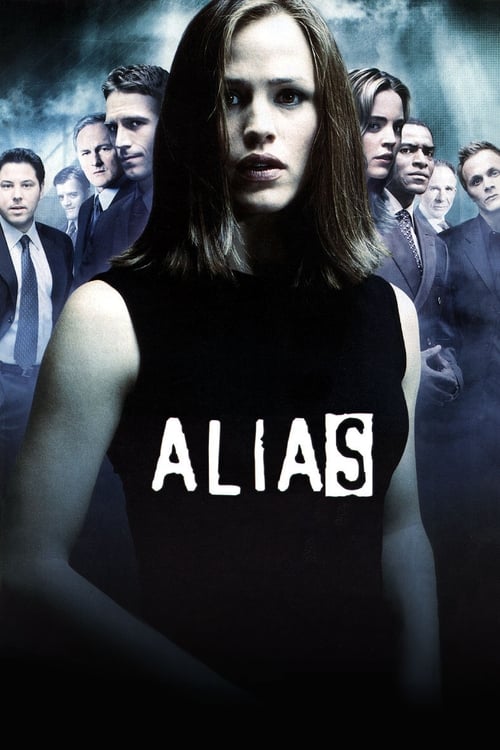
5. Alias
J.J. Abrams had something special here. This show perfected the serialized mystery box, delivering high-octane espionage with a compelling, complex female lead. Every episode had a cliffhanger, every season a massive conspiracy. It demanded you watch week-to-week, creating a blueprint for the binge-worthy, twist-heavy dramas that would dominate later. Action, emotion, and intricate plotting – it had it all.
6 / 8
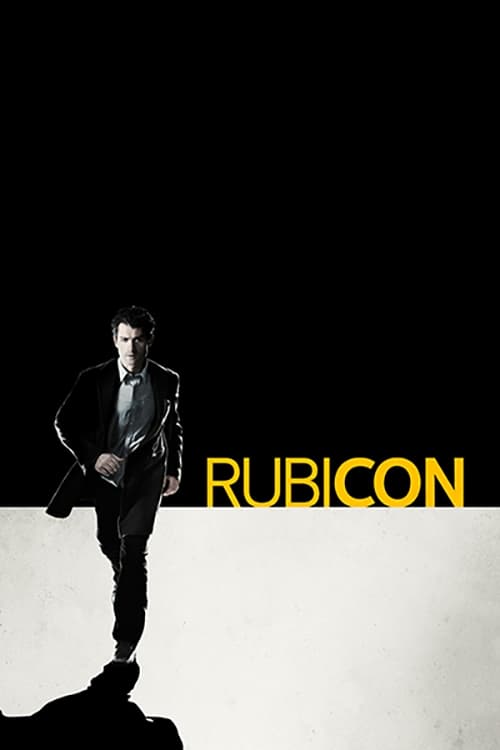
6. Rubicon
AMC, post-Sopranos and Mad Men, tried something different: a slow-burn, cerebral conspiracy thriller. It demanded patience and attention, unraveling its mysteries with a quiet intensity. This wasn't for casual viewing; it was for the audience hungry for intricate narratives that respected their intelligence. It showed that "prestige" could mean deliberate pacing and intellectual depth, not just explosive drama.
7 / 8
7. The State
MTV wasn't just music videos anymore. "The State" was sketch comedy that felt fresh, weird, and genuinely alternative. These guys had a distinct, often absurd, sensibility that resonated with a generation tired of traditional sitcoms. It wasn't just funny; it was a breeding ground for future comedic talent and a clear indicator that cable was becoming a platform for innovative, youth-driven content outside the mainstream.
8 / 8
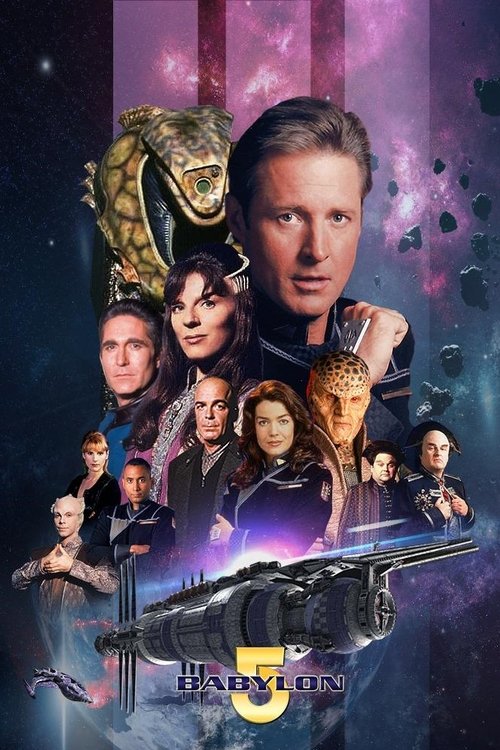
8. Babylon 5
Forget episodic sci-fi; "Babylon 5" mapped out a five-year epic from day one. Its single, overarching narrative with complex politics and character development was revolutionary for its time. It proved that serialized storytelling could work wonders in genre, using CGI in groundbreaking ways and showing that TV could deliver truly cinematic, long-form sagas long before it was standard practice.