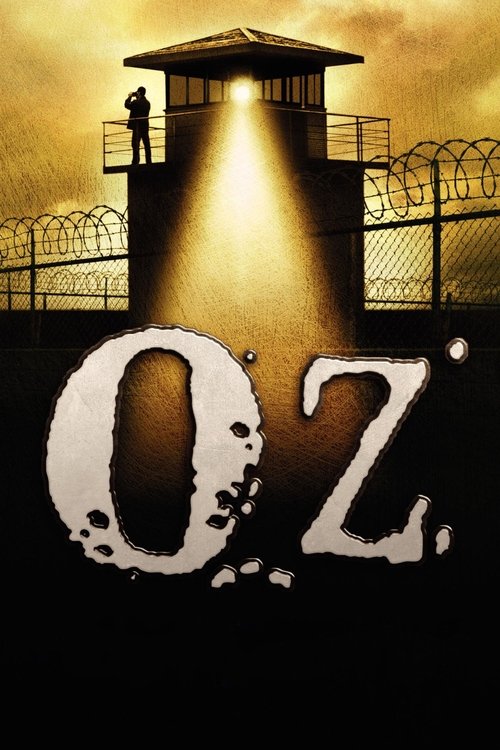
1. Oz
Before *The Sopranos*, there was *Oz*. This was HBO announcing itself, not just with nudity and violence, but with complex, serialized storytelling in a claustrophobic prison. It was raw, brutal, and unafraid to challenge viewers, pushing network boundaries into oblivion. The ensemble cast navigated moral ambiguities, making every episode feel like a gut punch. This wasn't just TV; it was an experience.
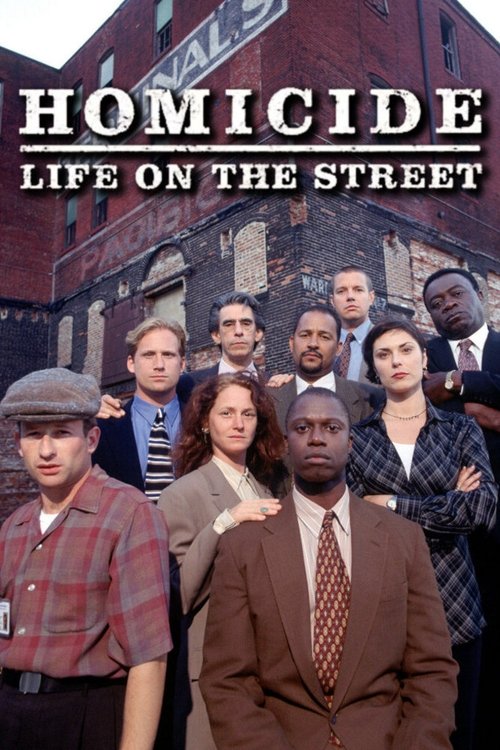
2. Homicide: Life on the Street
Forget your standard procedurals; *Homicide* was different. It brought a grimy, almost documentary-style realism to network television, fueled by David Simon's original book. The shaky cameras, overlapping dialogue, and raw ensemble performances made you feel like you were right there in the squad room. It was serialized crime drama done right, proving network TV could be art.
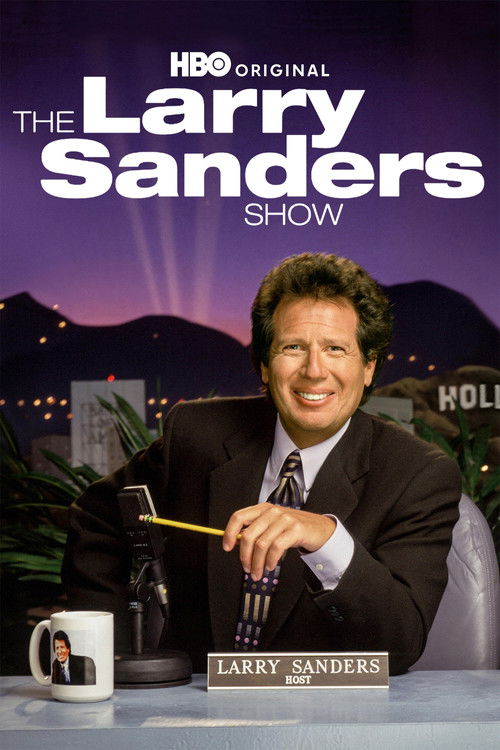
3. The Larry Sanders Show
This show was a masterclass in meta-comedy, pulling back the curtain on late-night TV with a cynical, darkly hilarious edge. Garry Shandling perfected the cringe-comedy before it was even a term, blending mockumentary intimacy with sharp, character-driven writing. It was smart, uncomfortable, and redefined what a sitcom could be, proving that prestige could be found in laughter and awkwardness.
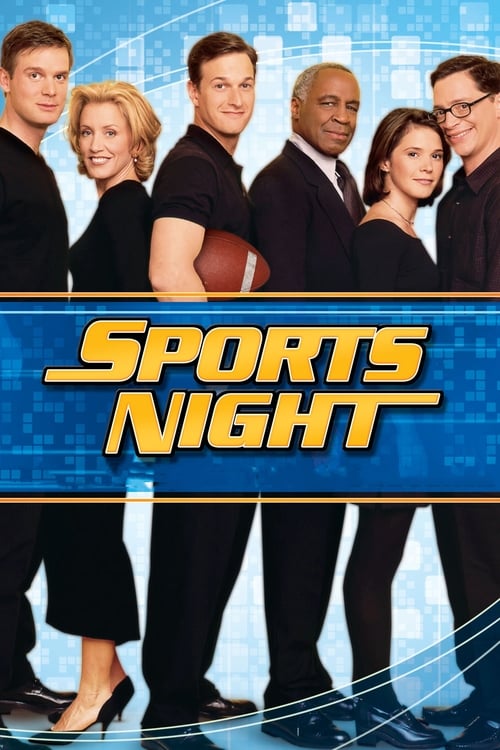
4. Sports Night
Aaron Sorkin’s first dive into television writing showed his signature style: rapid-fire, intellectual dialogue, and a deeply moral core. It was a sitcom that thought it was a drama, or vice-versa, navigating the ethics of journalism with an ensemble cast you genuinely rooted for. *Sports Night* proved that network TV could deliver sophisticated, serialized storytelling with emotional depth, even about sports.
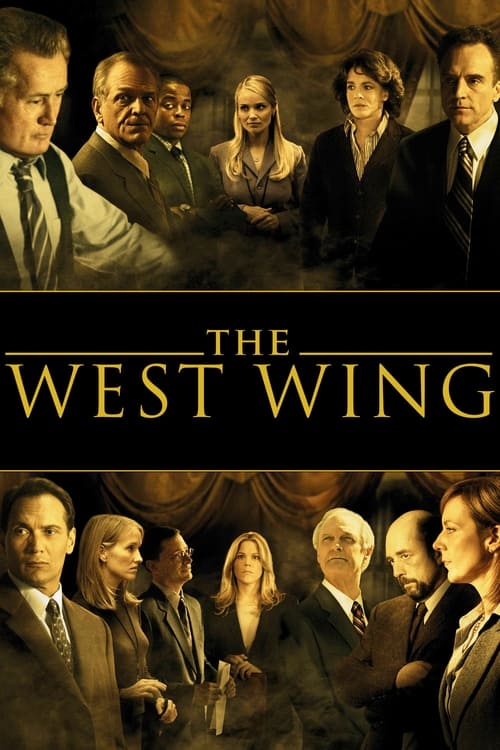
5. The West Wing
Sorkin took the rapid-fire dialogue and ensemble brilliance of *Sports Night* and applied it to the highest office. This show wasn't just about politics; it was about the idealism, the human cost, and the relentless pursuit of good, even when complicated. It felt cinematic, intelligent, and utterly compelling, elevating network drama to an art form and making you believe in government again, if only for an hour.
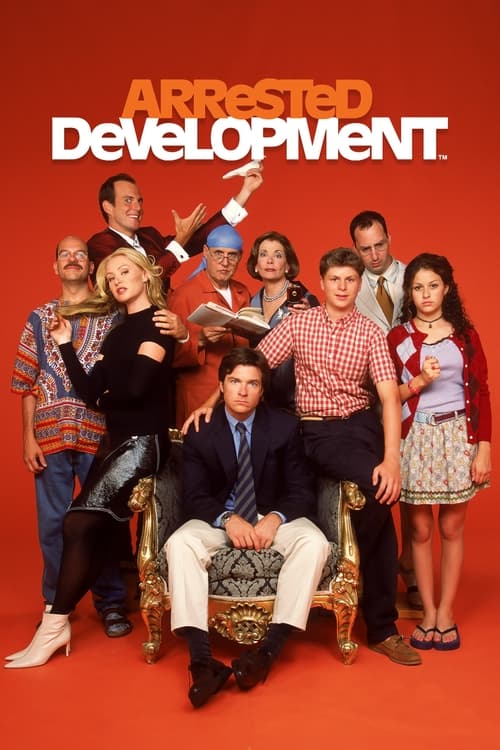
6. Arrested Development
This was a whole new beast. A mockumentary sitcom so dense with running gags, callbacks, and intricate plotting, it demanded repeat viewings long before binge-watching was commonplace. Its unique humor and ensemble cast of deeply flawed, hilarious characters were a revelation. It struggled on network but found its devoted audience, laying groundwork for shows that would thrive in the on-demand era.
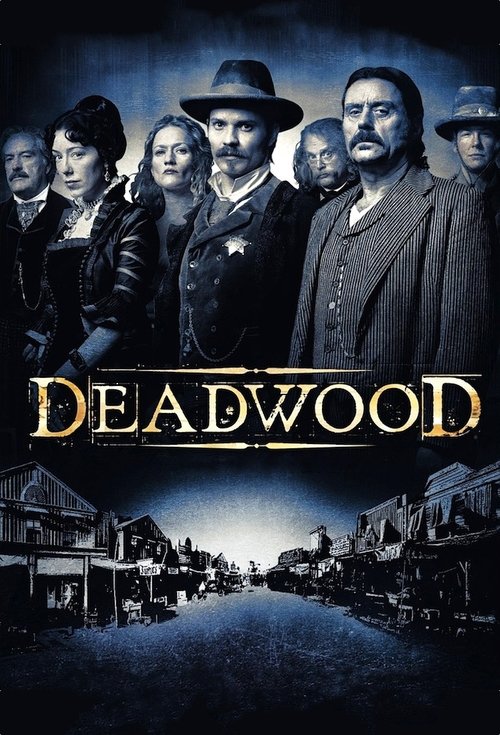
7. Deadwood
HBO went all-in with *Deadwood*. This was cinematic television, a grimy, poetic, and utterly compelling Western that wasn't afraid of its own darkness or its Shakespearean dialogue. The serialized narrative and ensemble cast built a complex, living world. It proved that cable could take huge risks, producing something so rich and authentic it felt less like a TV show and more like a historical novel brought to life.
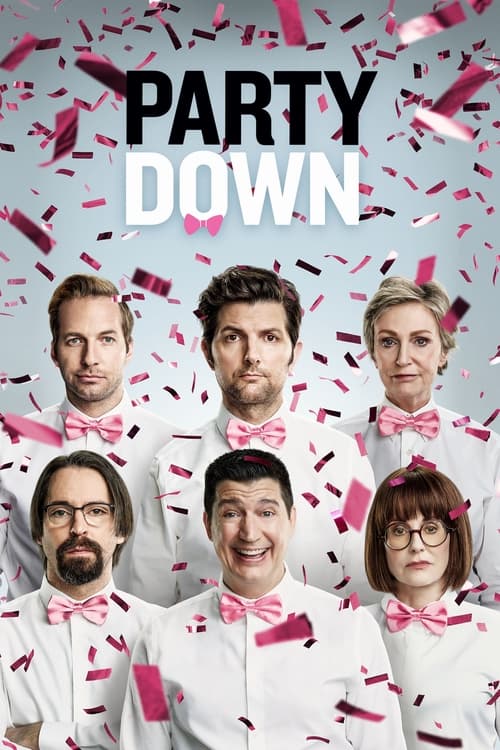
8. Party Down
A cult classic that perfected the cringe-comedy of working for your dreams while catering parties. This ensemble mockumentary was sharply written, painfully funny, and profoundly melancholic. It captured the pre-recession anxieties and the absurdity of Hollywood's outer fringes with a knowing wink. It's the kind of show that found its true audience through word-of-mouth and early streaming, a testament to substance over hype.