
1. The Sopranos
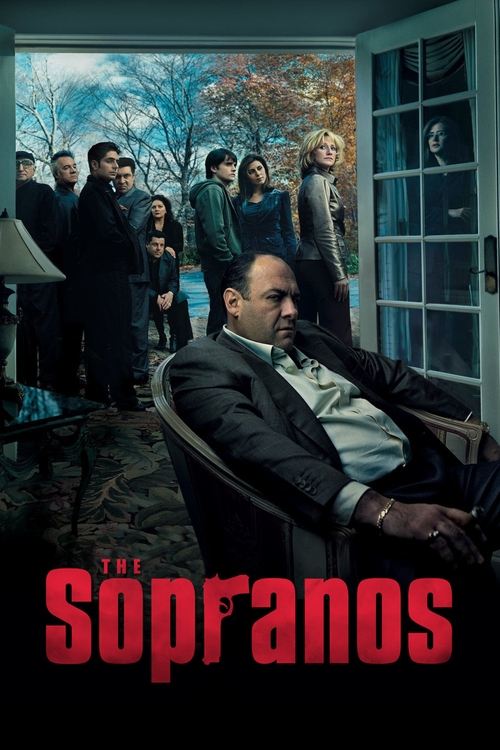
Before Tony Soprano, TV mobsters were caricatures. This wasn't just a crime drama; it was a deep dive into the crumbling psyche of a man trying to balance family, business, and therapy. HBO proved that television could deliver complex, serialized storytelling with cinematic scope and adult themes, making appointment viewing a must. It wasn't just good; it was a cultural phenomenon that redefined what a protagonist could be.
2. The Wire
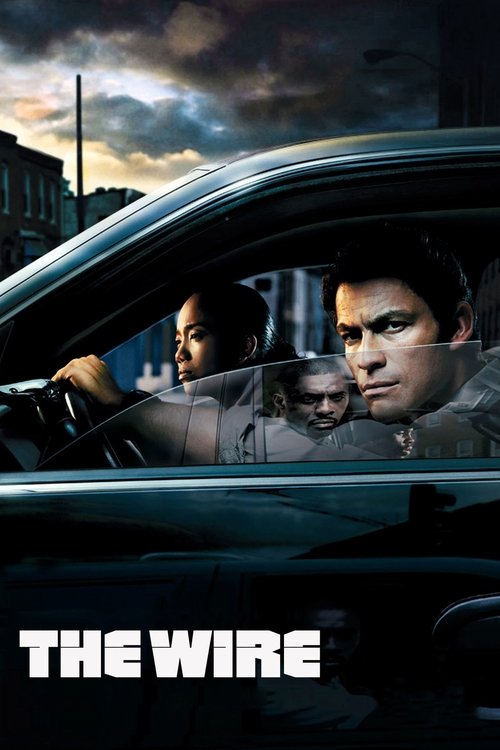
Forget procedural heroics; *The Wire* laid bare the systemic failures of a city, one institution at a time. Its sprawling ensemble cast and novelistic approach demanded attention, unfolding like a multi-layered book across seasons. This wasn't about good guys winning; it was about the inexorable grind of the system, a raw, unflinching look at urban life that redefined what "realistic" meant on screen.
3. Arrested Development
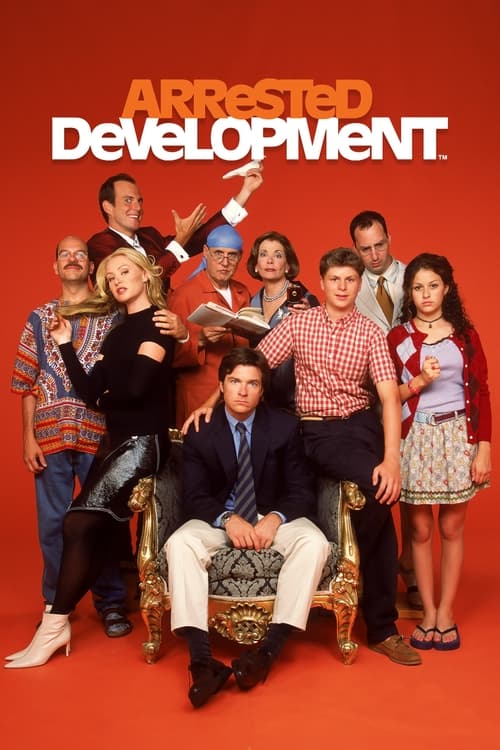
*Arrested Development* was a comedic machine gun, firing off layered jokes, running gags, and meta-references at warp speed. Its faux-documentary style and quick cuts made it feel uniquely fresh, demanding rewatches to catch everything. It struggled on network TV, but found its cult following through DVD box sets and early streaming, proving that some shows were just too smart and dense for weekly broadcast.
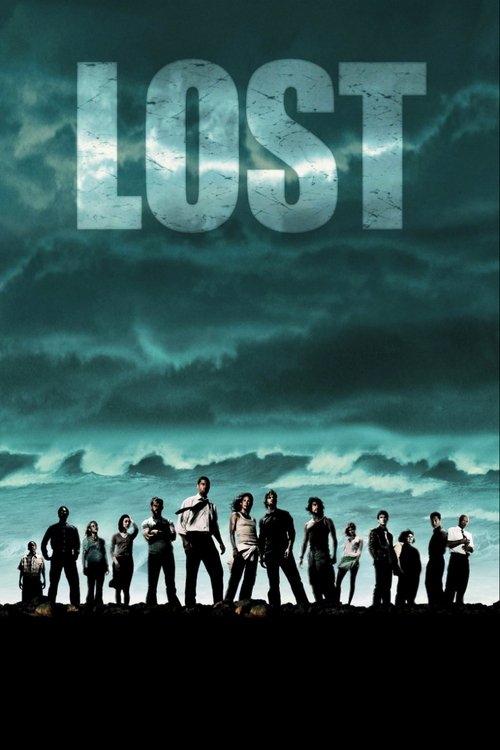
4. Lost
*Lost* grabbed us by the collar with its pilot, throwing plane crash survivors onto a mysterious island. Its serialized mythology, cryptic clues, and flashback structure made every episode an event, sparking endless online theories and watercooler debates. It perfected the "mystery box" approach, encouraging a new kind of engaged, speculative fandom that arguably paved the way for on-demand binge-watching.
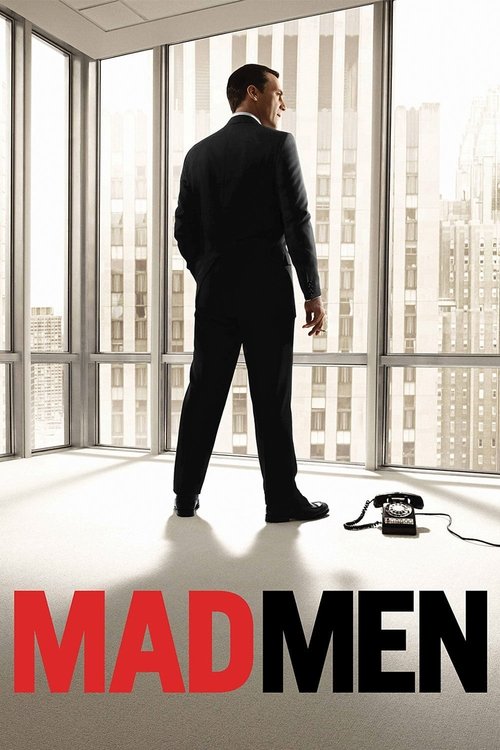
5. Mad Men
*Mad Men* wasn't about plot twists; it was about atmosphere and the quiet, often devastating, unraveling of its characters. Don Draper, enigmatic and flawed, anchored a show that meticulously recreated 1960s Madison Avenue. AMC proved cable could do prestige drama too, delivering a slow-burn character study that felt more like a finely crafted film than weekly television. It was all about the subtext.
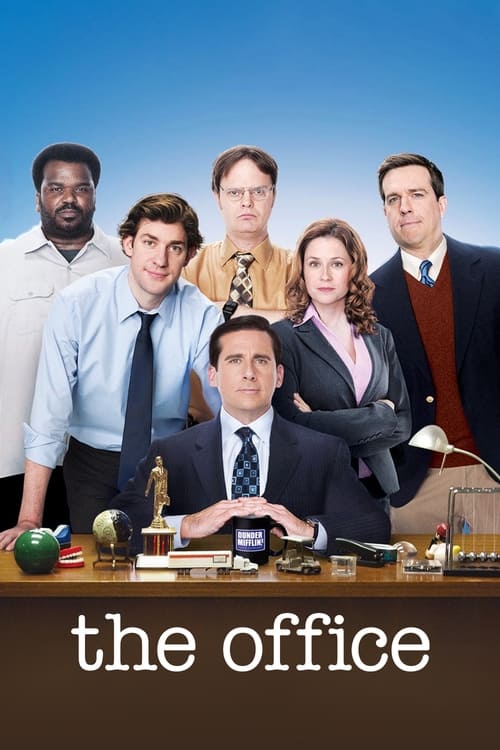
6. The Office
Taking the British template and running with it, the US *Office* perfected the mockumentary sitcom. Its cringe-worthy humor, direct-to-camera confessionals, and endearing ensemble captured the mundane absurdity of office life with surprising heart. It was a masterclass in character development, making us genuinely care for these flawed Dunder Mifflin employees, blurring the line between laugh-out-loud comedy and genuine dramatic moments.
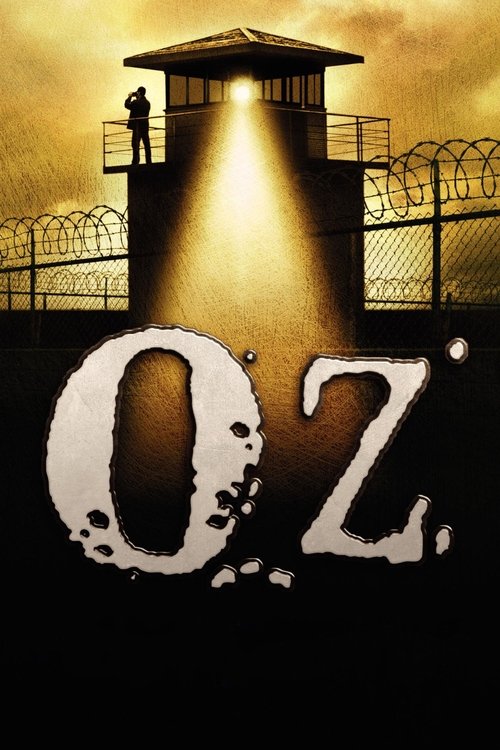
7. Oz
Before *The Sopranos*, there was *Oz*. This HBO prison drama pulled no punches, delivering a brutal, unflinching look at life inside an experimental prison unit. Its raw violence, complex moral ambiguity, and serialized character arcs were unlike anything on television. It established HBO's reputation for risk-taking, proving that audiences craved challenging, adult narratives that didn't shy away from the dark side.

8. Six Feet Under
Dealing with death from its very first scene, *Six Feet Under* explored the messy, beautiful reality of life through the lens of a family running a funeral home. It blended dark humor, profound emotional depth, and surreal moments, giving us characters grappling with existential questions. This HBO staple redefined the family drama, proving that television could tackle the biggest human themes with grace and unflinching honesty.