

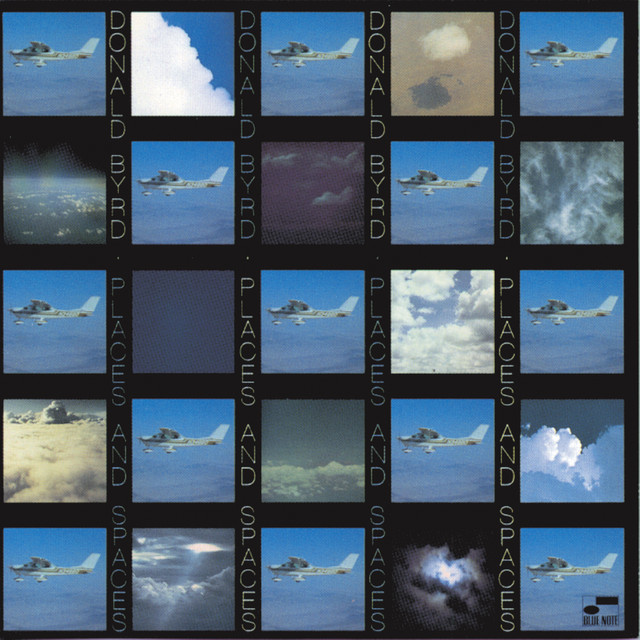
1. Places And Spaces
Donald Byrd's 1975 masterpiece, "Places and Spaces," remains a cornerstone of jazz-funk. The Mizell Brothers’ production here is a clinic in analog warmth, layering brass, strings, and Rhodes over some of the most infectious, tightly wound grooves of the era. The rhythmic interplay between Harvey Mason's drums and Chuck Rainey's bass creates an undeniable propulsion. It's a sophisticated boogie, a benchmark for pre-digital studio craft, where every element finds its precise, soulful pocket, guiding the listener through an astral, yet deeply funky, journey.
2. Faust IV (Deluxe Edition)
Faust's 1973 opus, "Faust IV," even in its deluxe incarnation, showcases the raw, unpolished brilliance of early Krautrock. The rhythmic structures often eschew conventional patterns for hypnotic, almost industrial pulses, built from repetitive guitar motifs, unconventional percussion, and often-crushing basslines. It's a testament to pre-digital experimentation, where tape loops and analogue synthesis created vast, unsettling soundscapes. This record isn't just played; it *feels* constructed, a sonic architecture of organized chaos and profound, often unsettling, beauty.

3. Deceit
This Heat's 1981 "Deceit" stands as a stark, uncompromising artifact of post-punk's outer limits. Its rhythms are often fractured, propulsive, and deeply unsettling, born from a collision of dub techniques, industrial clang, and raw, almost tribal drumming. The pre-digital studio environment allowed for a brutalist sonic palette, where tape manipulation and stark dynamics amplify the tension. It’s a masterclass in controlled aggression, where every percussive strike feels deliberate, crafting a mood both chillingly precise and utterly captivating.
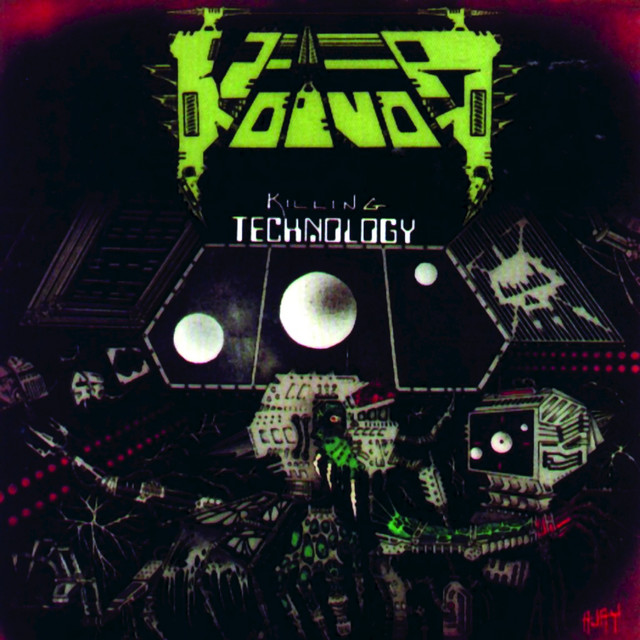
4. Killing Technology
Voivod's 1987 "Killing Technology" redefined thrash with its angular, sci-fi-infused brutality. The rhythmic foundation is a relentless, often jarring, assault of intricate guitar patterns and sophisticated drum work that veers far from standard metal tropes. Away from digital precision, the raw, analog production amplifies the machine-like coldness and chaotic energy. It's a deeply intelligent record, a pre-digital vision of cyberpunk dread expressed through a unique rhythmic language that still sounds utterly alien and groundbreaking.
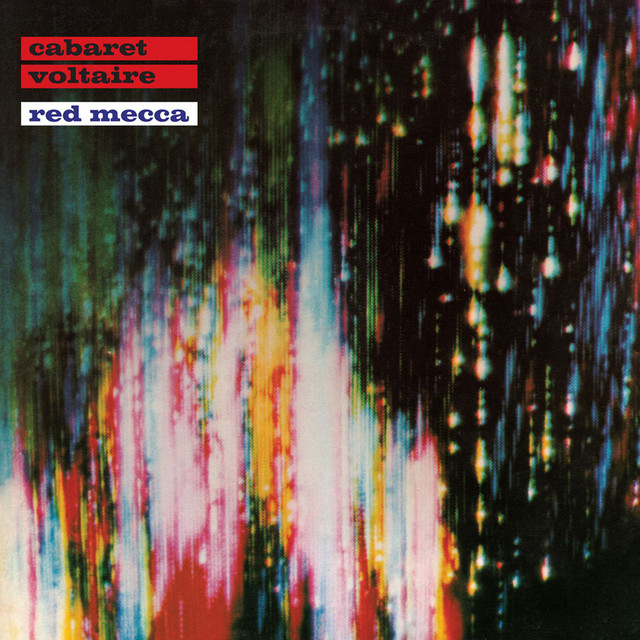
5. Red Mecca
Cabaret Voltaire's 1981 "Red Mecca" is a crucial text in the industrial canon. Its rhythmic pulse is a cold, mechanical throb, constructed from loops, found sounds, and early electronic percussion, all drenched in analog grit. This isn't dance music; it's a stark, often disturbing soundscape built on repetition and rhythmic tension, reflecting a dystopian urbanity. The pre-digital methodology—tape manipulation, rudimentary sampling—creates a uniquely abrasive yet hypnotic groove that foretold much of what would become industrial music.

6. Suicide (2019 - Remaster)
Suicide's 1977 debut, even through a 2019 remaster, still delivers its original, raw shock. Alan Vega's haunting vocals ride atop Martin Rev's stark, primitive drum machine rhythms and buzzing analog synthesizers. The beats are relentless, hypnotic, and utterly devoid of warmth, providing a menacing backdrop that predated much of coldwave and industrial. This is minimalist electronic punk at its most confrontational, a pre-digital masterpiece of rhythmic repetition and unsettling atmosphere, demonstrating how little was needed to create such a profound impact.

7. A Different Kind Of Human (Step II)
While this 2019 release by Aurora certainly falls beyond the scope of the analog age and my usual purview, its rhythmic construction still warrants examination. The production, undeniably digital, employs percussion patterns that often echo the intricate, layered synth-pop and darkwave sensibilities of the late 80s, albeit with a modern sheen. There's a precise, almost clinical quality to the beats, occasionally hinting at a more organic, tribal feel. It’s an interesting study in how rhythmic ideas persist, even when analog warmth is supplanted by crystalline clarity.
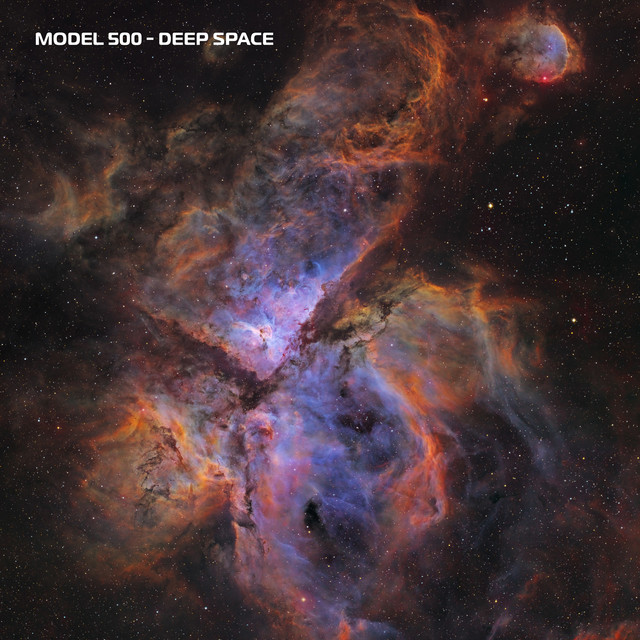
8. Deep Space
The concept of "Deep Space" in the analog era conjures images of early ambient explorations, a genre built upon vast, evolving soundscapes. Here, rhythms often recede, replaced by slow, undulating pulses or shimmering textures created by analog synthesizers and tape delays. It’s less about a driving beat and more about the rhythmic ebb and flow of atmosphere, a pre-digital journey into sonic expanse where time itself seems to stretch and contract. This is where early electronic artists crafted truly immersive, meditative experiences.