1. I Love Lucy
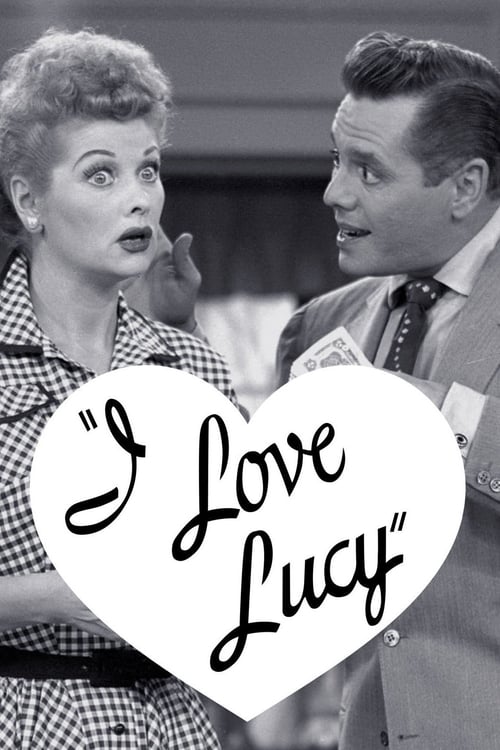
Well, you just don't get 'em like Lucy anymore. That woman, Lucille Ball, was a force, wasn't she? Every Monday night, families gathered, watching her schemes unfold, often with Ricky on the verge of exasperation. The studio audience's laughter was practically another character. It was pure, unadulterated comedic genius, filmed with those pioneering multi-camera techniques. And it still holds up, a testament to timing and character, a true cornerstone of the sitcom form.
2. The Twilight Zone
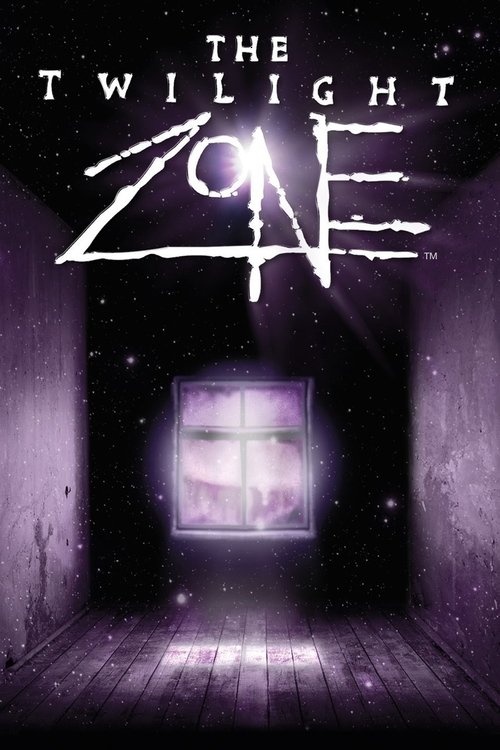
Now, Rod Serling, he knew how to tell a story. This wasn't just spooky tales; these were parables, often with a twist that made you think long after the credits rolled. The black-and-white photography lent itself perfectly to that eerie, unsettling atmosphere. You never quite knew what kind of strange predicament the characters would find themselves in, or what harsh truth they'd uncover about humanity. It was television that dared to be smart.

3. The Ed Sullivan Show
Sundays weren't complete without Ed. From the Beatles to Topo Gigio, that stage saw just about everyone who was anyone. It was live, of course, and sometimes things went a bit awry, but that was part of the charm, wasn't it? Ed just stood there, letting the talent speak for itself, presenting a veritable smorgasbord of entertainment each week. A true institution, bringing the world into our living rooms.

4. Dragnet
"Just the facts, ma'am." You heard that, and you knew Sergeant Joe Friday was on the case. Jack Webb's deadpan delivery and the show's stark realism were revolutionary for its time. It wasn't flashy; it was about the methodical work of law enforcement, often shot in that gritty, documentary-style black-and-white. And while some might call it dry, it set the template for every police procedural that followed, plain and simple.

5. The Fugitive
This one, now this kept you coming back week after week. Dr. Richard Kimble, wrongly accused, always on the run, always just a step ahead of Lieutenant Gerard. It was one of television's first true serialized dramas, building suspense across seasons. David Janssen brought such a haunted intensity to Kimble. You genuinely rooted for him, hoping he'd finally clear his name. A real masterclass in keeping an audience hooked.
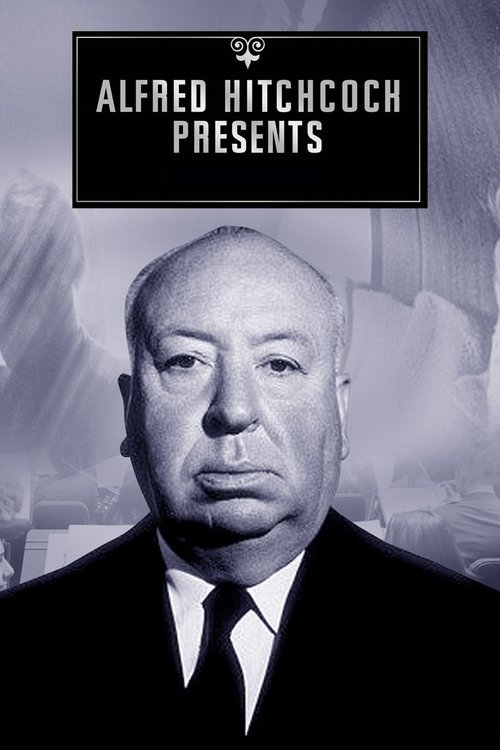
6. Alfred Hitchcock Presents
Ah, good evening. And a good evening it always was when Mr. Hitchcock himself appeared, delivering those wry, macabre introductions. This anthology series was a masterclass in suspense, often with a dark comedic twist. The stories might not always have been directed by the master, but his influence was palpable in every cleverly constructed plot and surprising conclusion. It showed you could tell a gripping, often unsettling tale in under thirty minutes.
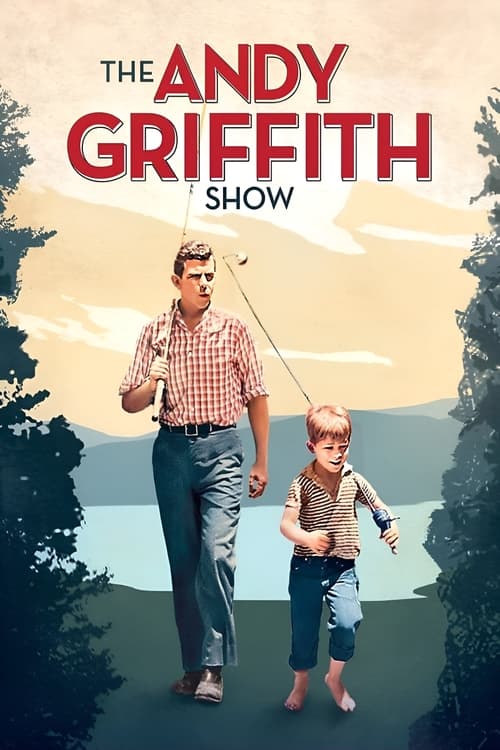
7. The Andy Griffith Show
Mayberry. Just hearing the name brings a smile, doesn't it? Sheriff Andy Taylor, Opie, Barney Fife – a simpler time, a gentler humor. This show was a warm blanket on the television, offering wholesome stories about community and family values. Even in black-and-white, the warmth of those characters shone through. It proved that good storytelling didn't need big city drama; sometimes, quiet charm was all you needed.
8. Playhouse 90
Before mini-series, there was Playhouse 90. This was live, serious drama, stretching for ninety minutes, a truly ambitious undertaking for its era. It attracted top talent, from writers to actors, bringing theatrical quality to the small screen. These were often weighty, thought-provoking productions, a bold experiment in long-form storytelling that really cemented television's potential as a dramatic medium. A true landmark of the Golden Age.