
1 / 8
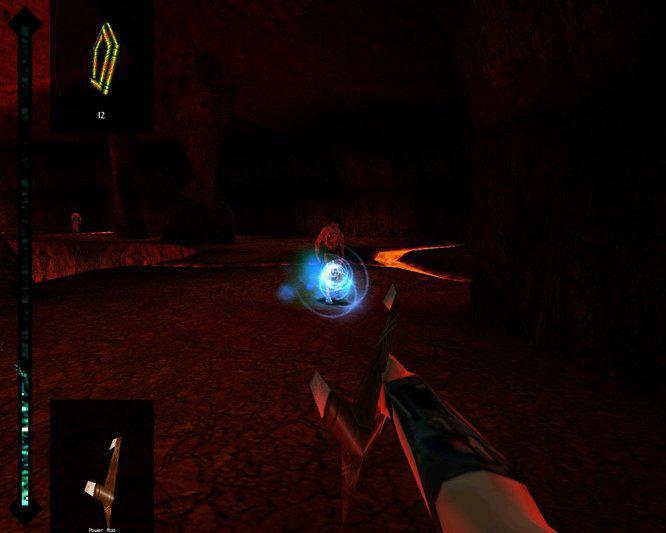
1. Omikron: The Nomad Soul
This 1999 title, an early Quantic Dream project, was a wild, ambitious genre-bender. It threw players into a cyberpunk dystopia, mixing adventure, fighting, and even rhythm game elements. David Bowie's involvement, both in music and character portrayal, lent it a unique, ethereal quality. Yet, its clunky controls and disparate mechanics often overshadowed its groundbreaking narrative and atmospheric world-building. A fascinating, if flawed, artifact.
2 / 8
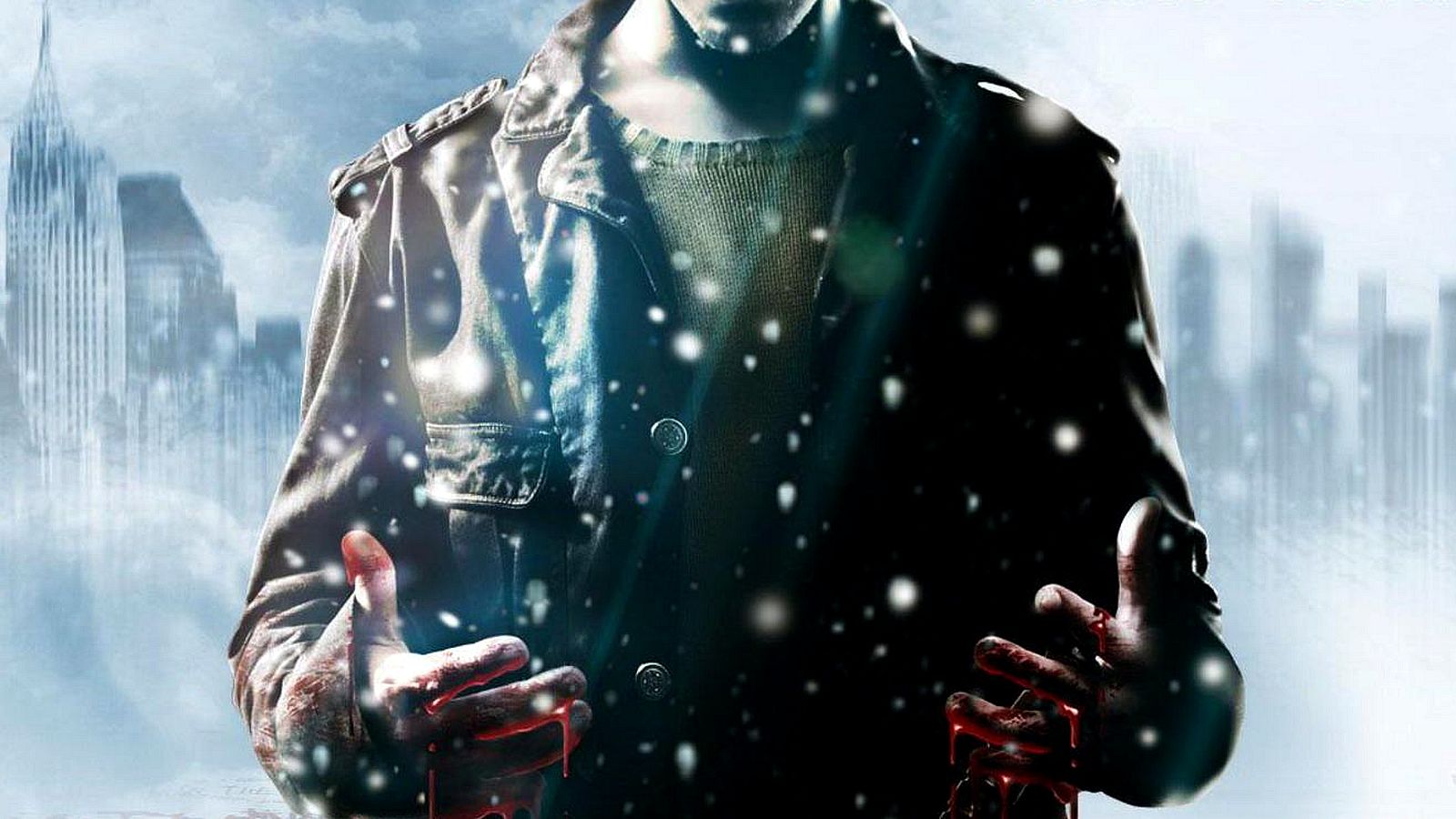
2. Fahrenheit (Indigo Prophecy)
David Cage's 2005 supernatural thriller, known as Indigo Prophecy in North America, pushed interactive storytelling boundaries. Its branching narrative and heavy reliance on QTEs were divisive, but the initial mystery of Lucas Kane's actions was genuinely compelling. While the plot veered into bizarre territory by the end, it was a pivotal, albeit messy, experiment in cinematic game design that left a lasting impression.
3 / 8
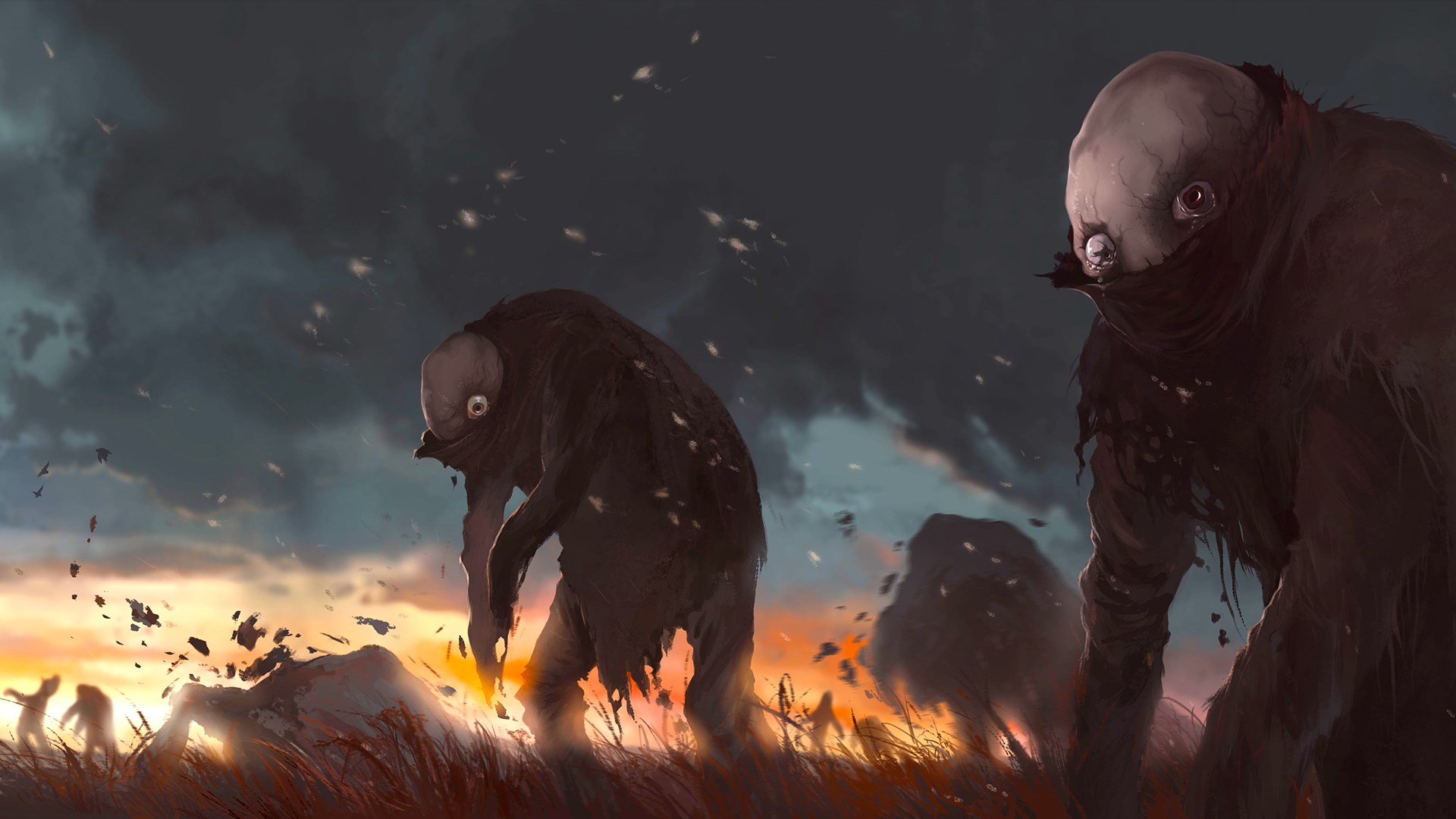
3. Pathologic 2
This 2019 survival horror RPG isn't a sequel in the traditional sense, but a harrowing re-imagining. It immerses players in a plague-ridden town, forcing impossible choices with brutal consequences. The game's deliberate opacity, challenging mechanics, and relentless atmosphere create a singular, unforgettable experience. It's less about winning and more about enduring, dissecting a deeply unsettling narrative about death and community.
4 / 8
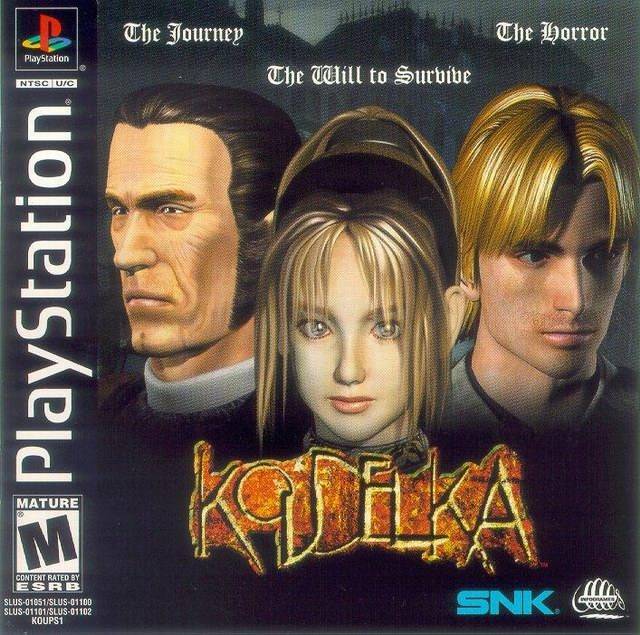
4. Koudelka
Released on the PlayStation in 1999, Koudelka fused survival horror aesthetics with turn-based RPG combat. Set in a haunted Welsh monastery, its gothic atmosphere and mature narrative were ahead of their time. While the combat system was often criticized for its slow pace, its compelling character interactions and the distinctive visual style laid the groundwork for the acclaimed Shadow Hearts series, making it a cult classic.
5 / 8
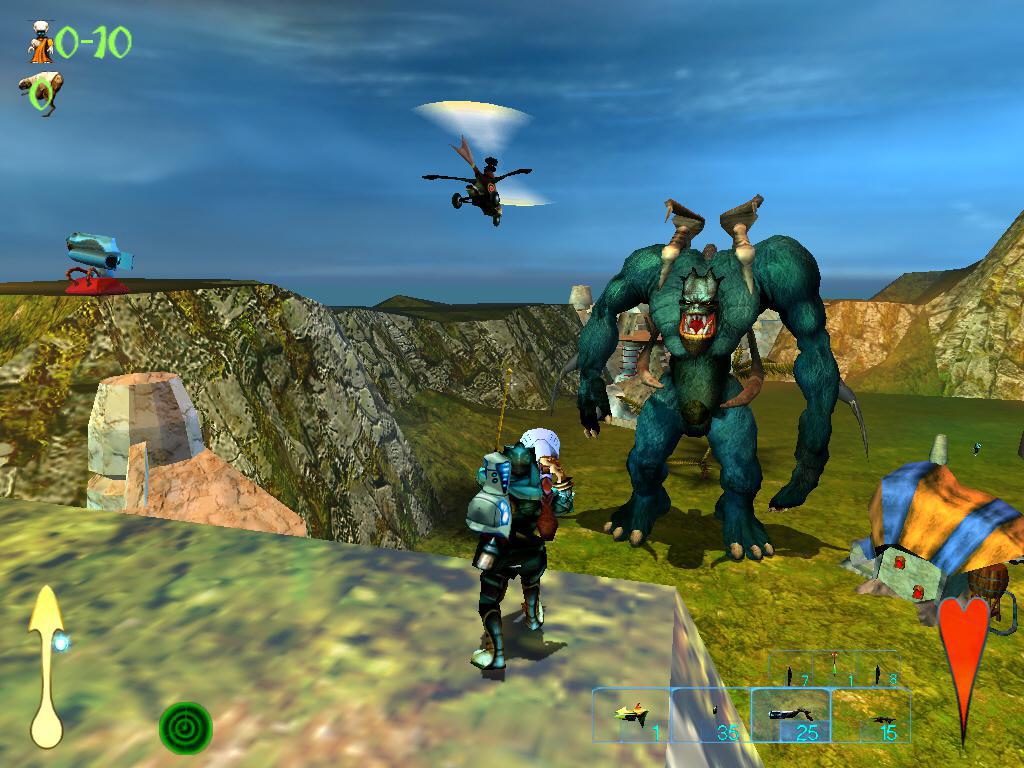
5. Giants: Citizen Kabuto
Planet Moon Studios' 2000 release was a truly eclectic mix of third-person shooter, real-time strategy, and platforming. Players cycled between three vastly different factions—the Meccs, the Sea Reapers, and the colossal Kabuto—each with unique gameplay. Its irreverent humor, vibrant art style, and innovative mission design marked it as a refreshingly original title. Giants dared to be different, and largely succeeded.
6 / 8
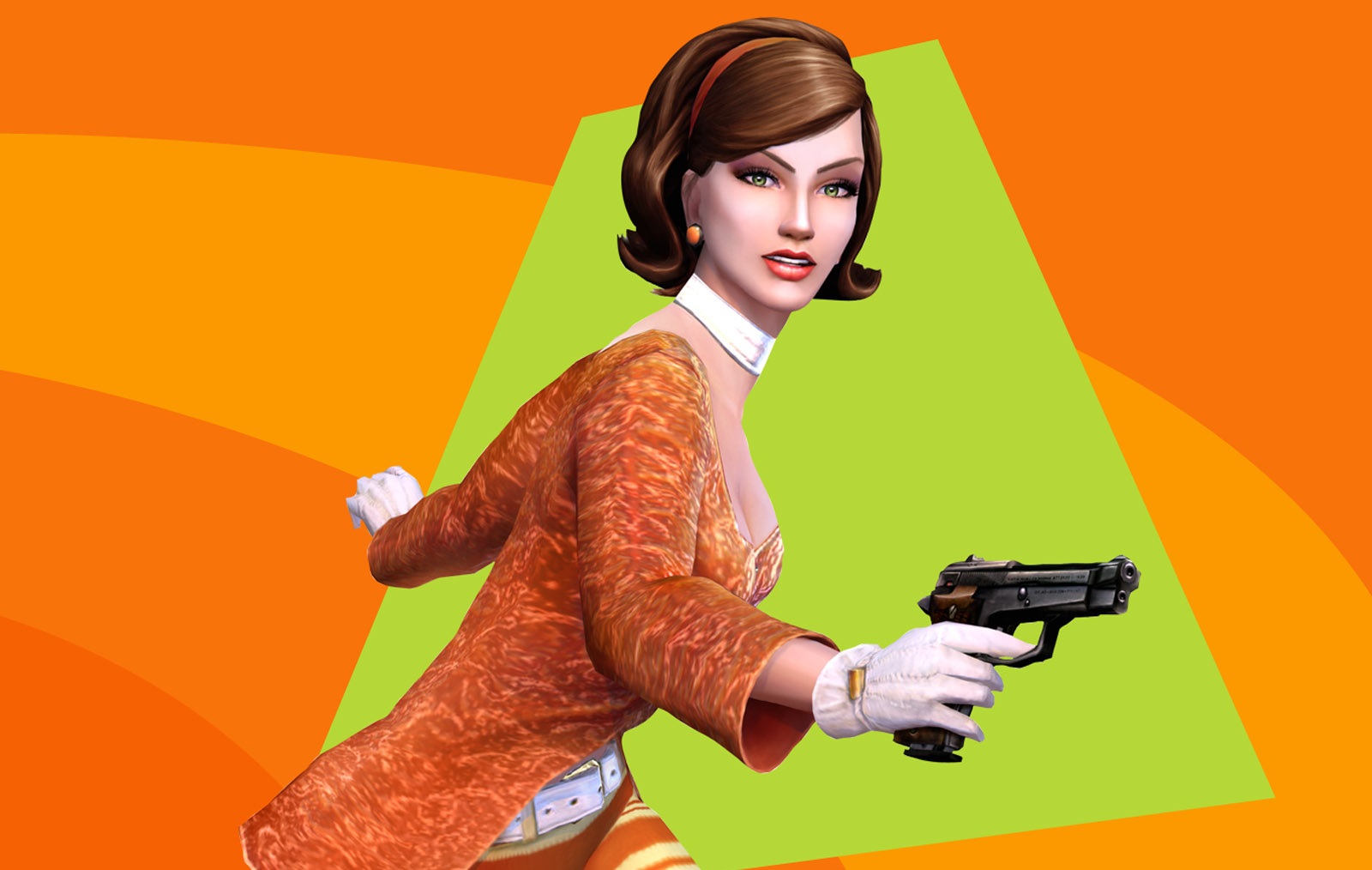
6. The Operative: No One Lives Forever
Monolith Productions delivered a masterclass in spy-fi stealth action with this 2000 title. Playing as Cate Archer, a sharp-witted 1960s operative, players navigated meticulously crafted levels filled with gadgets, humor, and memorable villains. Its blend of Bond-esque charm, sophisticated AI, and tight gunplay made it a critical darling. It remains a benchmark for stylish, narrative-driven first-person shooters.
7 / 8
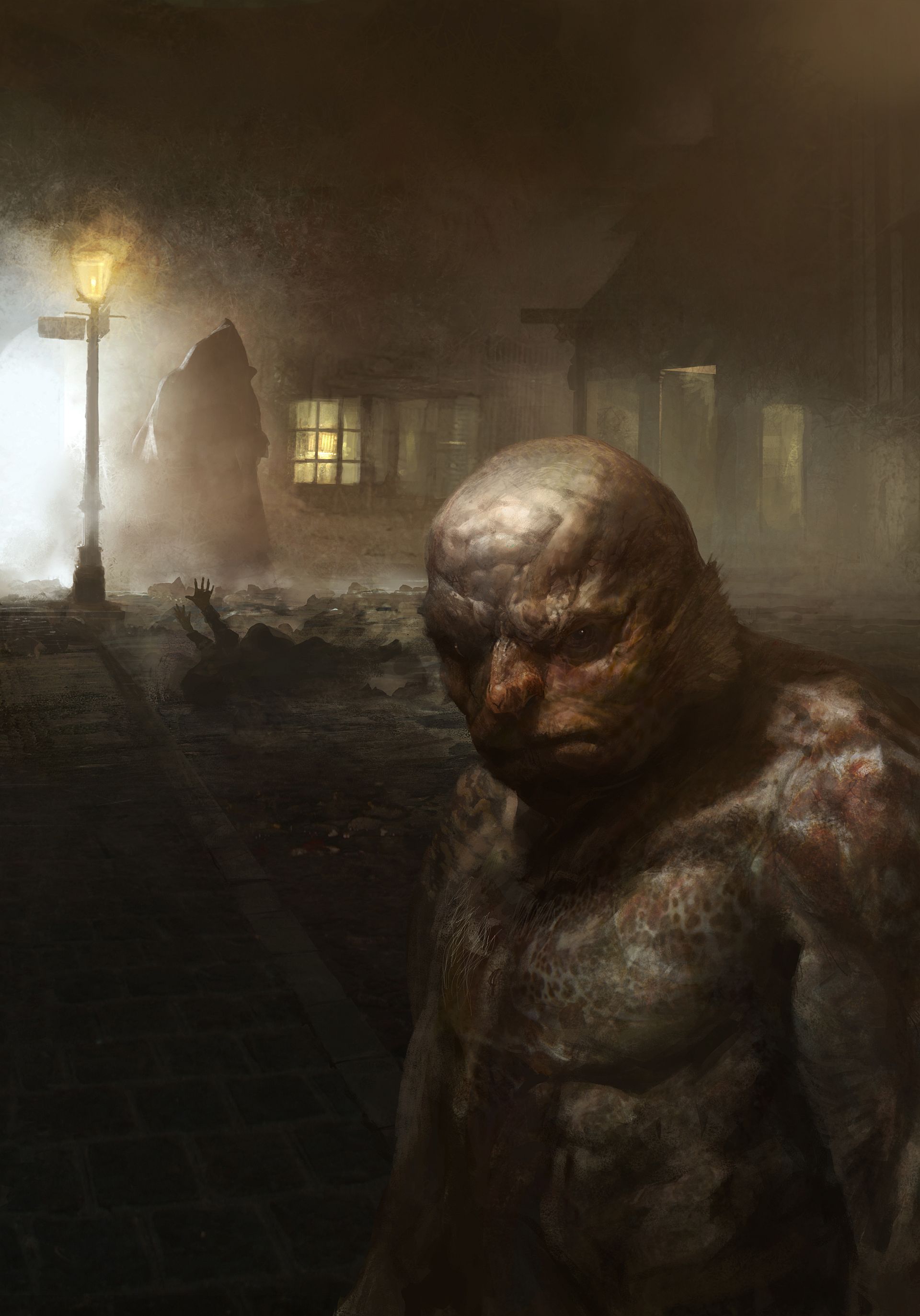
7. Call of Cthulhu: Dark Corners of the Earth
This 2005 survival horror title was an ambitious dive into Lovecraftian lore. It eschewed combat for atmospheric tension, sanity mechanics, and investigative gameplay, genuinely capturing the cosmic dread of its source material. Despite its notoriously buggy launch and technical issues, its commitment to immersion, particularly its unique HUD-less design, solidified its place as a flawed but pioneering horror experience.
8 / 8
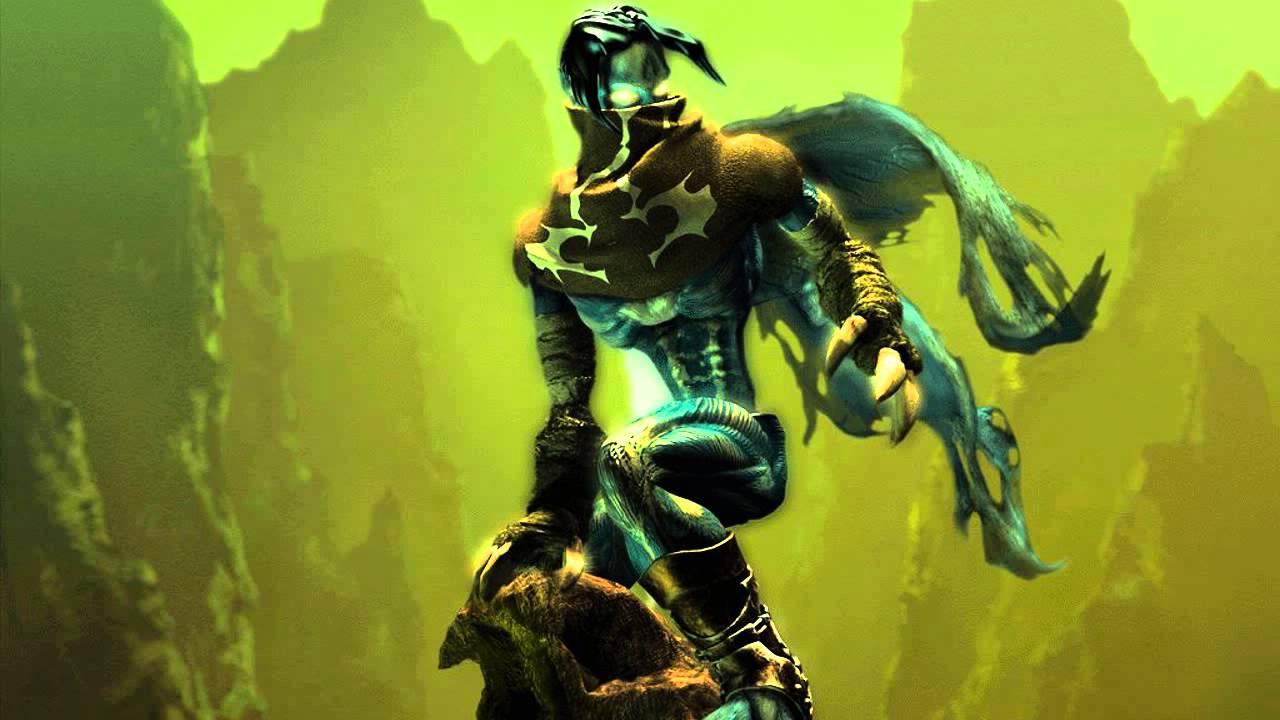
8. Legacy of Kain: Soul Reaver
Crystal Dynamics' 1999 action-adventure defined a generation. As the spectral vampire Raziel, players shifted between the material and spectral realms, solving environmental puzzles and engaging in visceral combat. Its dark, philosophical narrative, phenomenal voice acting, and innovative gameplay mechanics created a sprawling, interconnected world that was both haunting and deeply engaging. A true standout from the PlayStation era.