


1. Hérésie
Univers Zero, with their '84 masterpiece, offered something truly unsettling. This wasn't merely art-rock; it was a deeply cerebral dive into RIO's most forbidding corners. The analogue instrumentation, recorded with a stark, almost clinical precision, weaves a tapestry of dark chamber music and avant-garde jazz. One can hear the physical effort in every bowed string and percussive strike, producing a dense, almost claustrophobic sonic environment. It’s a testament to raw, unadorned studio craft, rejecting any commercial gloss for pure, unyielding intensity.

2. Fireside Favourites
Vini Reilly's '80 debut as The Durutti Column, "Fireside Favourites," remains a masterclass in understated elegance. Its sparse arrangements, driven by Reilly's ethereal guitar work and Factory Records' deliberately unpolished production, create a unique, melancholic beauty. The analogue warmth of the recording captures every delicate nuance, every reverb trail, allowing the space between notes to breathe. It’s a quiet rebellion against the prevailing post-punk aggression, offering introspection and fragile sonic landscapes, proving that subtlety could be profoundly impactful without any digital trickery.
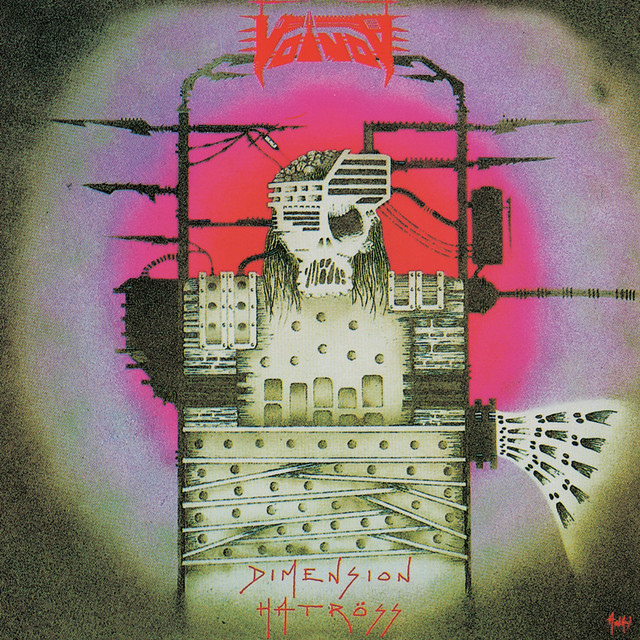
3. Dimension Hatröss
Voivod's '88 "Dimension Hatröss" was a revelation, pushing thrash metal into truly progressive and psychedelic territory. Piggy's dissonant, almost mechanical guitar riffs, recorded with a raw, powerful analogue punch, carved out a sound unlike anything else. The complex song structures and sci-fi narratives felt perfectly matched by the production's gritty, unpolished edge. This wasn't about pristine, digital sheen; it was about capturing the visceral energy and intricate chaos of a band operating on a completely different plane, bending genres and expectations with every track.
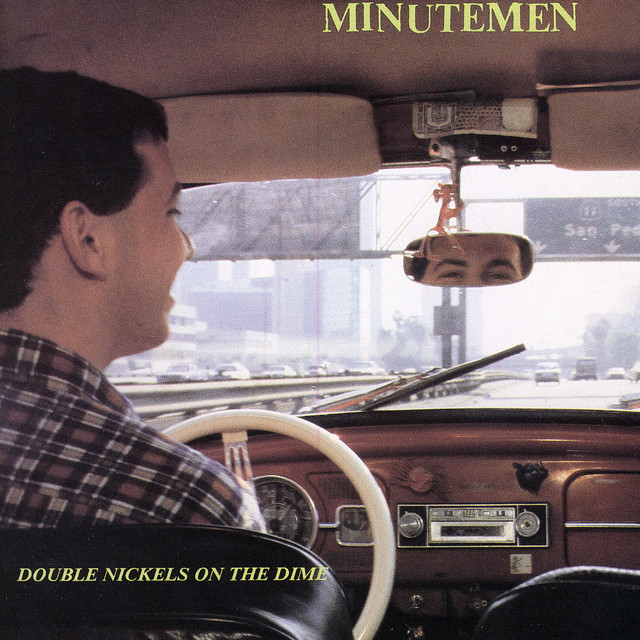
4. Double Nickels on the Dime
Minutemen's '84 magnum opus, "Double Nickels on the Dime," was an anarchic explosion of post-hardcore ingenuity. Across its forty-odd tracks, the band fused punk's urgency with funk grooves, jazz spontaneity, and sharp, poetic lyricism. The production, typical of SST Records, was raw and immediate, capturing the frenetic energy and D. Boon’s spiky, unconventional guitar work with unvarnished honesty. This sprawling double-album redefined what a punk band could be, showcasing a fiercely independent spirit and an adventurous musical palette, all recorded with pre-digital directness.
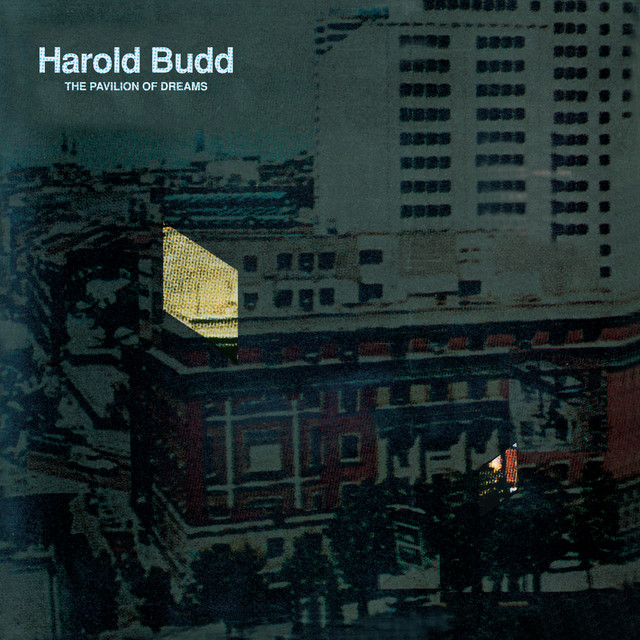
5. The Pavilion Of Dreams
Harold Budd's 1978 collaboration with Brian Eno, "The Pavilion Of Dreams," stands as a cornerstone of ambient music. Budd's signature sustained piano chords, bathed in Eno's masterful analogue production, create vast, shimmering soundscapes. There’s a profound sense of calm and introspection here, achieved through simple, yet meticulously crafted arrangements. The recording captures the delicate decay of piano notes and the subtle movements of ensemble instruments with a warmth and presence that digital processing often struggles to replicate. It's a testament to the power of texture and space.
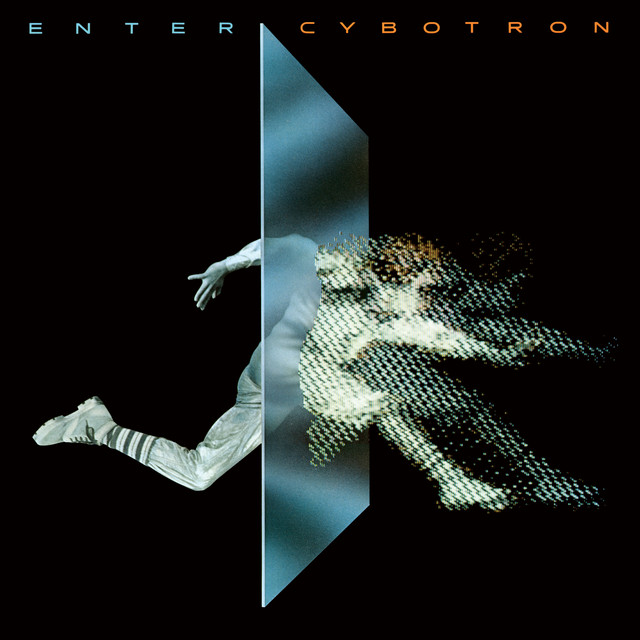
6. Enter (Deluxe Edition)
Cybotron’s "Enter," often cited as foundational Detroit techno, arrived in the early '80s and utterly redefined electronic music. Juan Atkins and Richard Davis crafted a sound brimming with stark, futuristic grooves, using analogue synthesizers and drum machines to forge a new rhythmic language. The production, raw and impactful, perfectly captured the machine funk aesthetic, laying down the blueprint for subsequent electronic genres. This wasn't merely dance music; it was a conceptual statement, a vision of technological and sonic advancement brought to life with pre-digital studio tools.
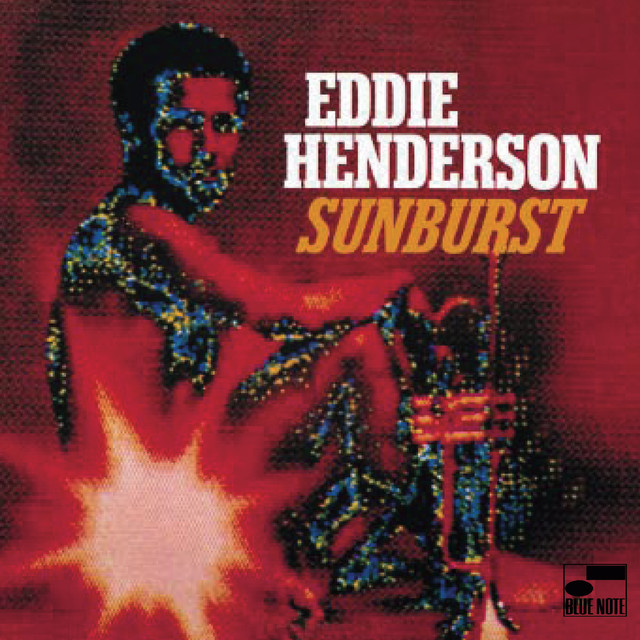
7. Sunburst
The Crusaders' 1984 album "Sunburst" showcases their continued mastery of jazz-fusion, infused with a sophisticated funk and R&B sensibility. This was a band at their peak, delivering impeccably tight grooves and virtuoso instrumental performances. The production, a hallmark of mid-80s analogue studio polish, achieved a rich, warm sound that allowed every instrument to shine, from Wilton Felder's saxophone to Joe Sample's distinctive piano. It’s a prime example of how pre-digital engineering could craft a smooth, commercially appealing yet musically complex sound.
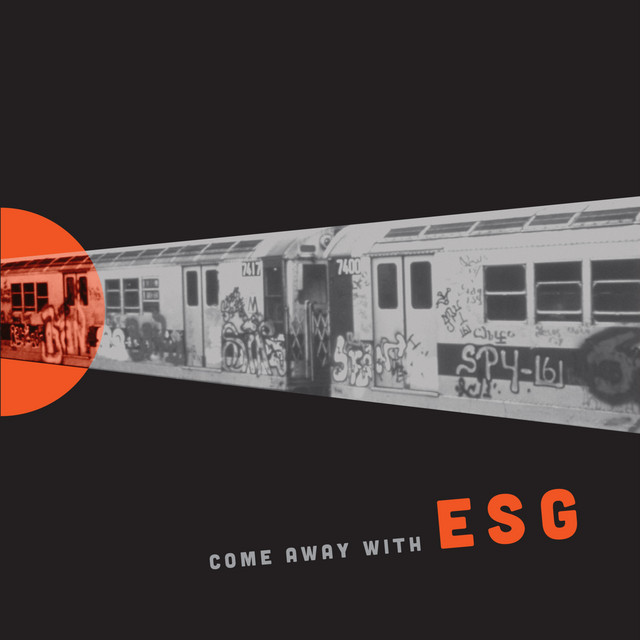
8. Come Away with ESG
ESG's 1983 debut, "Come Away with ESG," is a masterclass in rhythmic minimalism and raw funk-punk energy. Their stripped-down approach, focusing on infectious basslines, sparse percussion, and chanted vocals, created an utterly unique and influential sound. The analogue recording, direct and unadorned, highlighted the raw power of their grooves, showing how much could be achieved with so little. This album was a pure, unadulterated distillation of rhythm, a pre-digital testament to the undeniable power of a primal beat.