
1 / 8
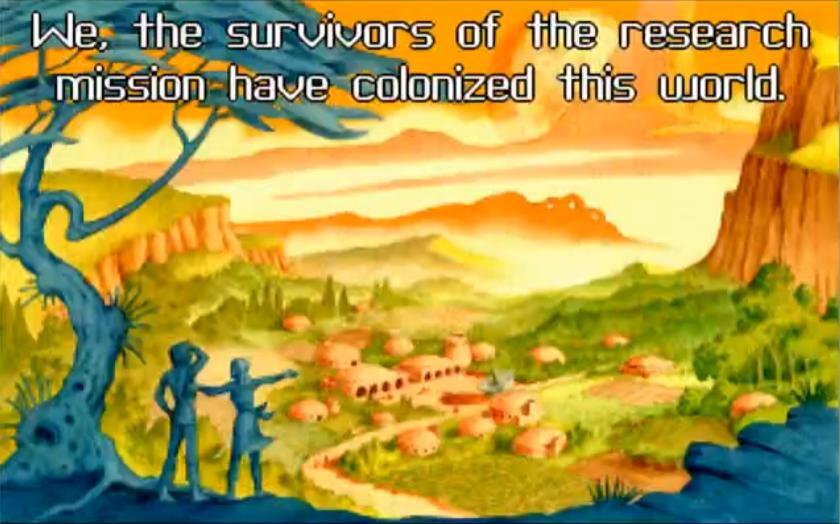
1. Star Control 2
Star Control II, specifically the 1992 PC release, didn't just offer a universe; it handed you the keys to it. You’re navigating a sprawling galaxy, conversing with dozens of distinct, often hilarious alien species, and piecing together an intergalactic mystery. The sheer freedom to explore, trade, fight, or simply chat was unparalleled. It set a benchmark for non-linear storytelling and remains a masterclass in world-building, a true testament to early PC gaming ambition.
2 / 8
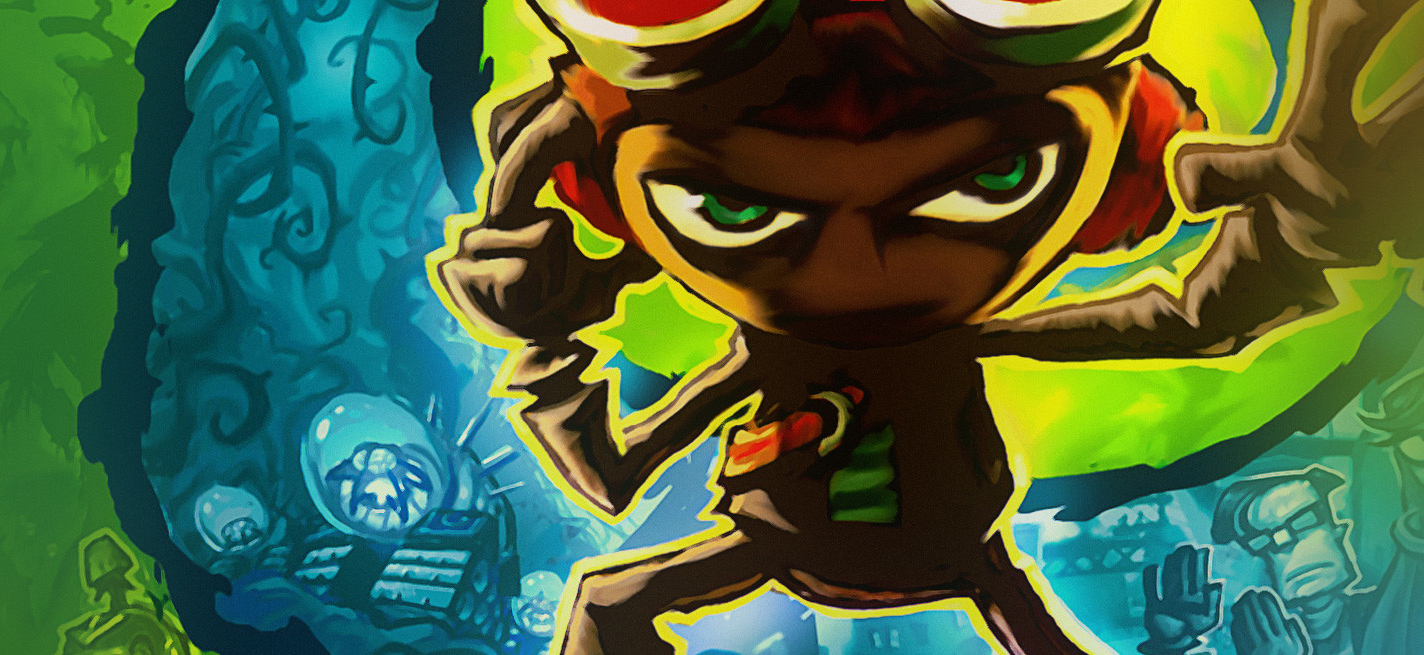
2. Psychonauts
Psychonauts, the 2005 original, felt like playing a Pixar movie directed by Tim Burton. Exploring minds as unique, surreal platforming levels was genius. From a literal battlefield of emotional baggage to a retro-futuristic neighborhood populated by psychic milkmen, Double Fine crafted an experience brimming with heart and wit. Its quirky characters and surprisingly poignant themes of mental health made it an instant, if initially underselling, classic that genuinely broke new ground.
3 / 8
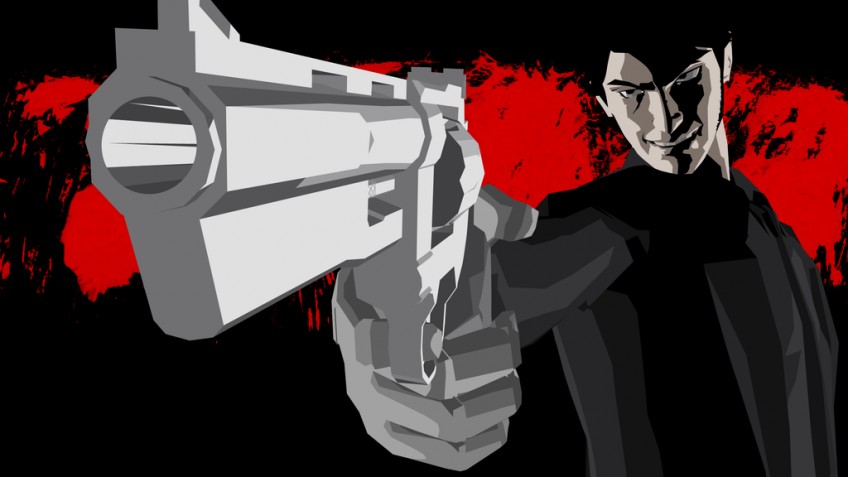
3. killer7
killer7, from 2005, wasn't just a game; it was an artistic statement. Suda51’s cel-shaded, hyper-stylized world delivered a narrative so dense and abstract, you almost needed a flowchart to follow it. Playing as multiple assassins, each with their own personality, navigating a labyrinthine plot of political intrigue and supernatural entities, it challenged every convention. It’s a polarizing experience, sure, but its unique vision and uncompromising style cemented its status as a truly avant-garde masterpiece.
4 / 8
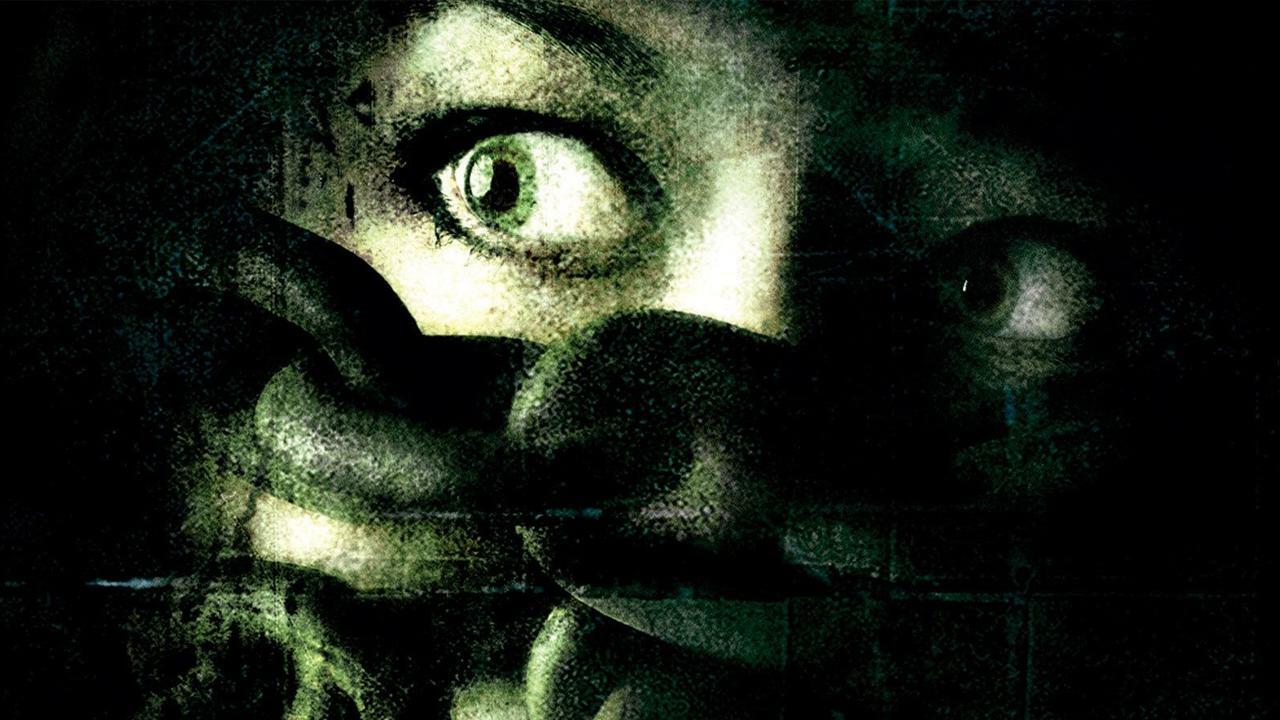
4. Condemned: Criminal Origins
Condemned: Criminal Origins, launching with the Xbox 360 in 2005, was a masterclass in psychological horror. Forget jump scares; this game built dread through its oppressive atmosphere and truly visceral melee combat. Scavenging pipes and planks to defend against deranged vagrants felt desperate and impactful. Its gritty, urban decay setting, combined with unsettling crime scene investigations, created a uniquely disturbing experience that still holds up as one of gaming’s most effective horror titles.
5 / 8
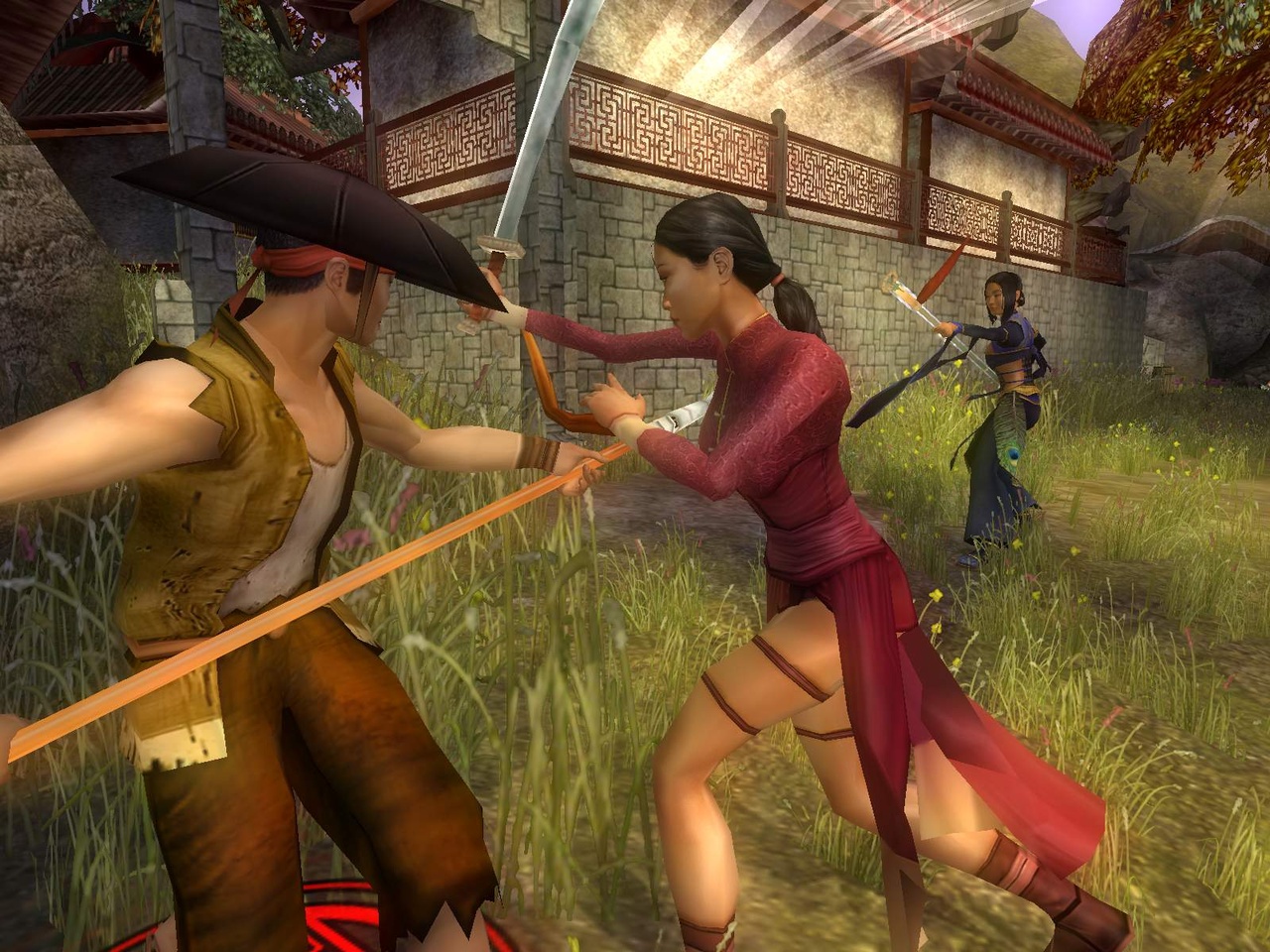
5. Jade Empire
Jade Empire, BioWare's 2005 foray into a mythical ancient China, was a refreshing departure. It blended intricate martial arts combat with the studio's signature deep narrative and moral choices. Choosing between the Way of the Open Palm or Closed Fist genuinely impacted your journey and companions. The world was vibrant, the characters memorable, and the story, steeped in Eastern philosophy, offered a unique blend of action and introspection. It’s a cult favorite for good reason.
6 / 8
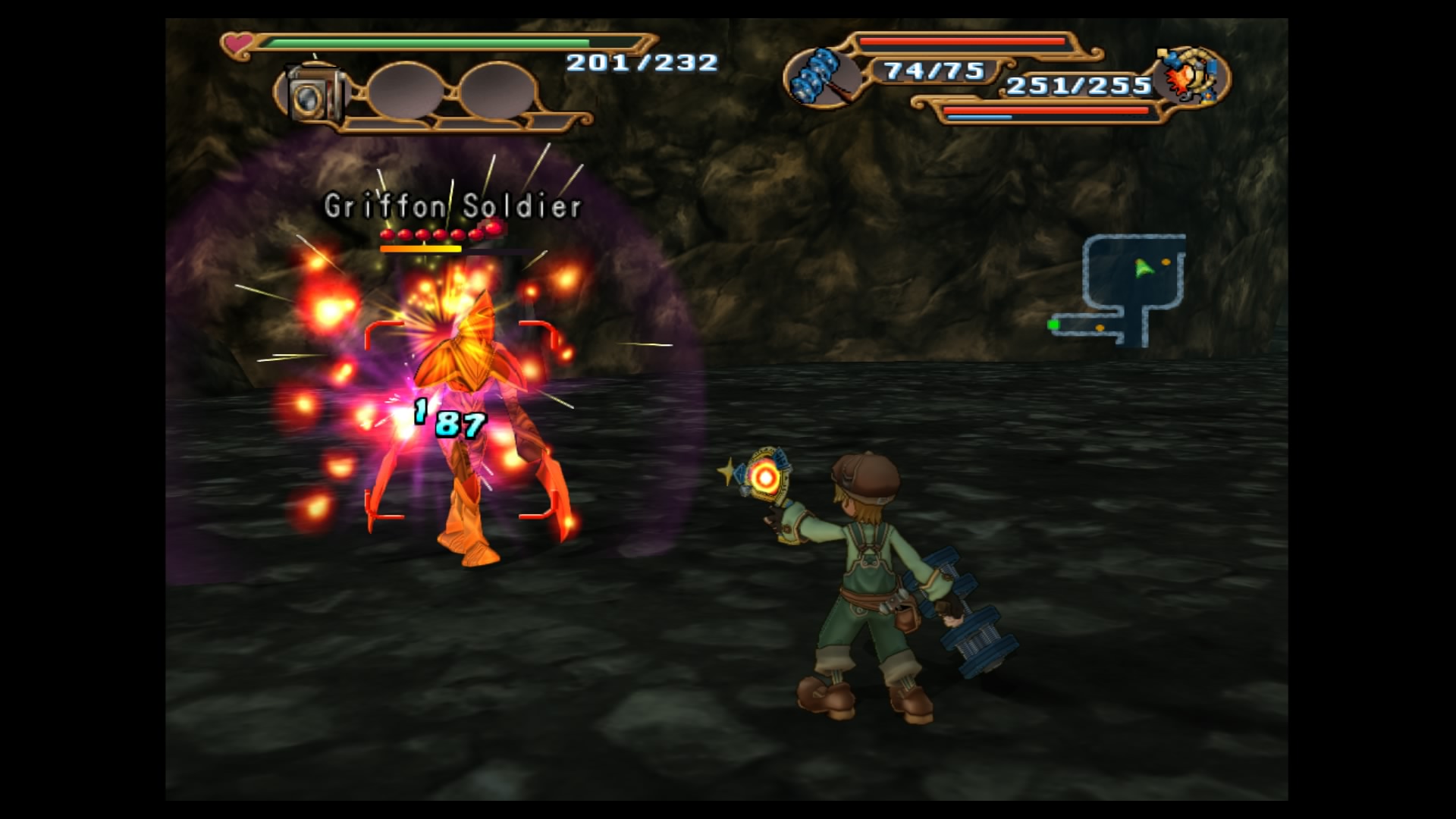
6. Dark Cloud 2
Dark Cloud 2 (known as Dark Chronicle in PAL regions), released in 2002, merged action RPG dungeons with an ambitious city-building mechanic. You weren't just clearing monsters; you were rebuilding the world, literally. The Georama system, alongside its inventive weapon crafting and photography mechanics, offered incredible depth. Its vibrant cel-shaded graphics still pop, and the sheer amount of content and creativity Level-5 poured into it made it a standout on the PS2.
7 / 8
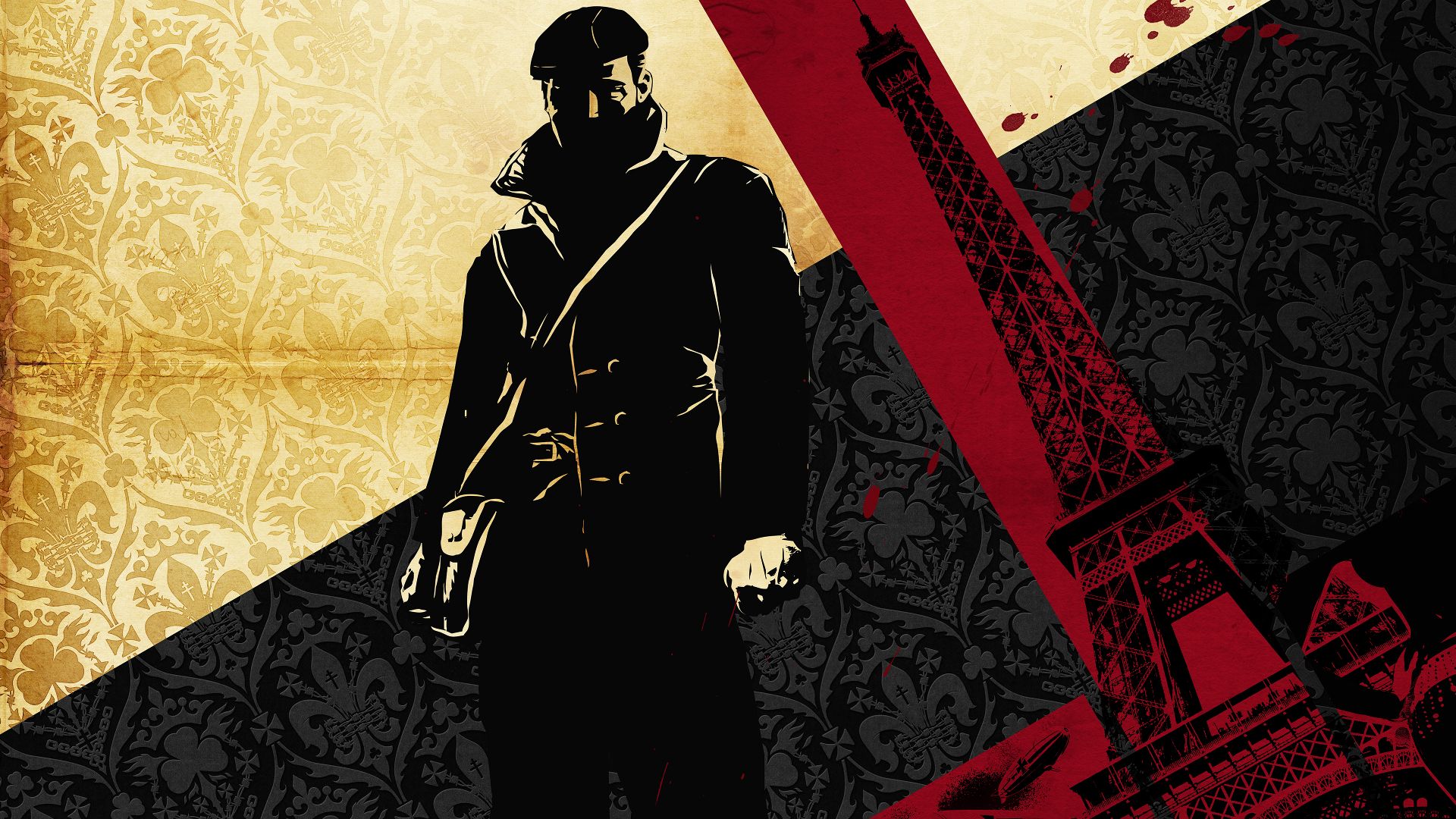
7. The Saboteur
The Saboteur, Pandemic Studios' swansong from 2009, was an open-world gem set in Nazi-occupied Paris. Its defining mechanic, where occupied areas were drained of color until liberated, was brilliant, visually and thematically. Playing as an Irish mechanic turned resistance fighter, the blend of stealth, explosive action, and parkour across a stunning rendition of wartime Paris made for a uniquely stylish and deeply satisfying experience. It's a poignant reminder of a studio gone too soon.
8 / 8
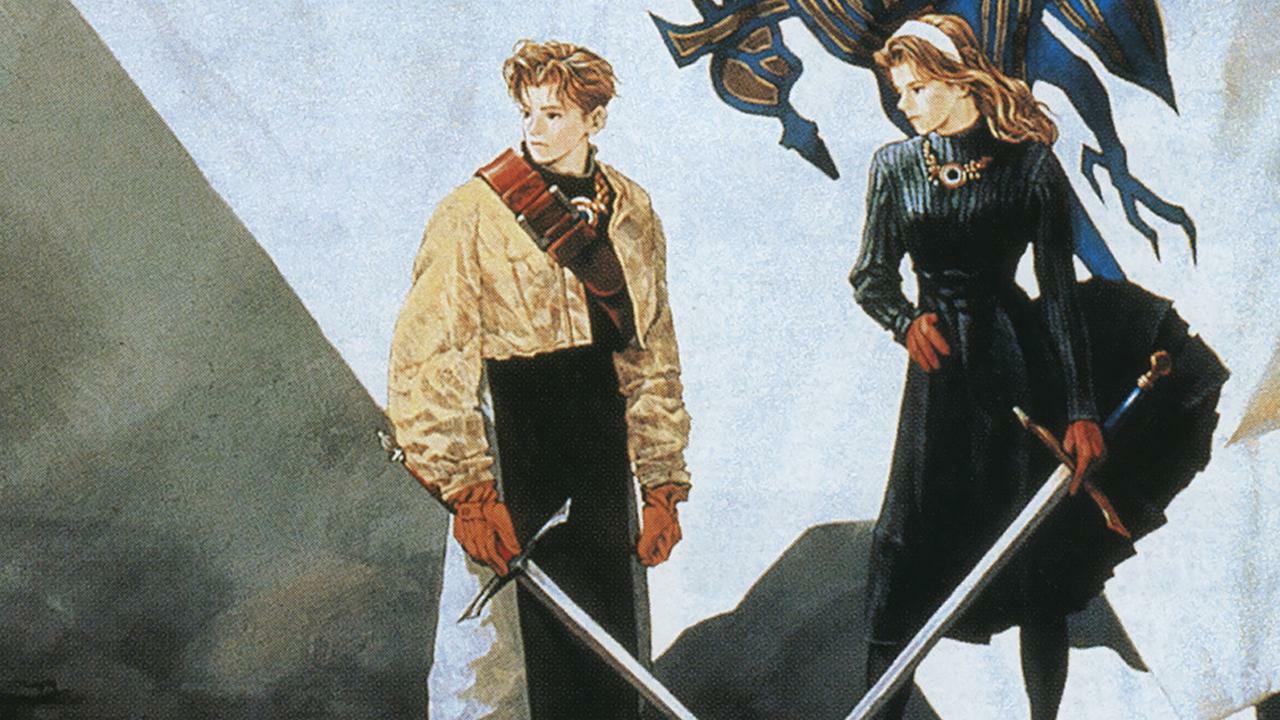
8. Tactics Ogre: Let Us Cling Together
Tactics Ogre: Let Us Cling Together, particularly the 1995 Super Famicom original or its 2010 PSP remake, represents the pinnacle of tactical RPG design. Its complex, branching narrative, driven by moral choices and political intrigue, offered replayability long before it was common. The sheer depth of its class system, unit customization, and challenging grid-based combat created an unparalleled strategic experience. It’s a foundational text for the genre, demanding thought and rewarding patience.