


#1
Ebenezer
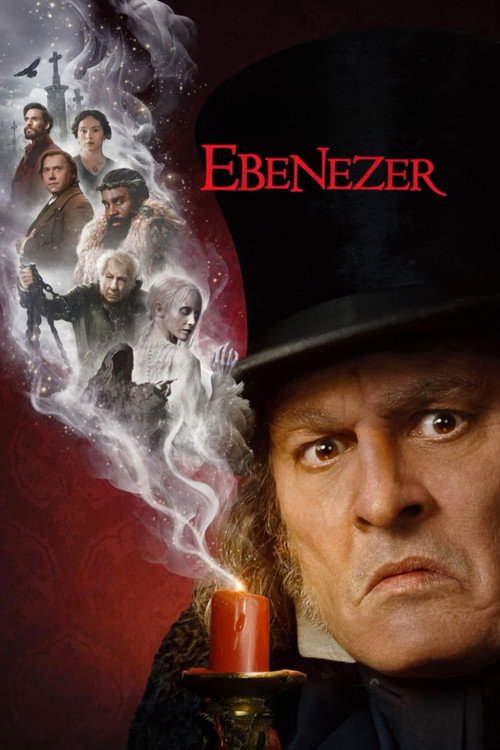
The November 11 release date lands Ebenezer right into the holiday adaptation canon. The mechanics are standard Dickens lore: an elderly miser receives the visitation from his former business partner before the Spirits of Christmas Past, Present, and Yet to Come initiate his supernatural journey. For timeline purists, watching how an adaptation maps these four sequential spiritual trials forces a direct examination of causality. Scrooge must actively confront his past and fight for his second chance.
#2
The Holdovers
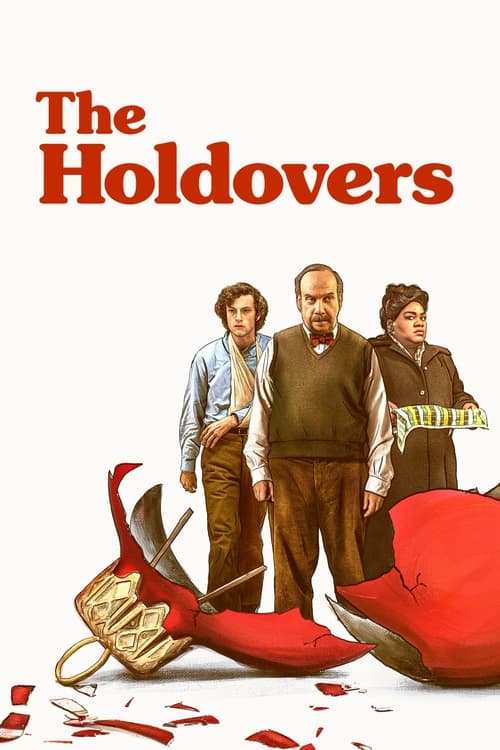
Alexander Payne plants visual clues about Paul Hunham’s ocular prosthetic right from the opening staff meeting, manipulating eye-line matches across conversations. Notice how Paul's lazy eye tracks opposite to Tully’s gaze until their Boston museum trip, visually marking their emotional alignment. Even the recurring prep school iconography—the Roman history tests, the bottle of cheap whiskey in the locked cabinet—foreshadows the revelation regarding Paul's Harvard expulsion. Payne rewards obsessive frame-by-frame analysis with brutal narrative symmetry.
#3
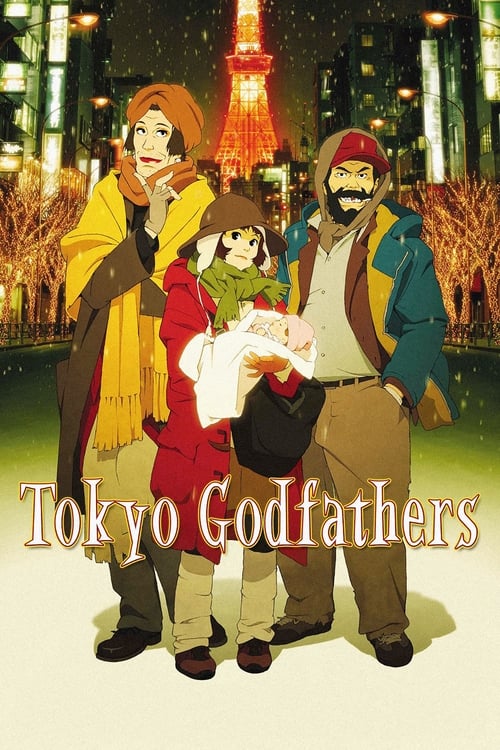
Tokyo Godfathers
Satoshi Kon treats coincidence as an aggressive narrative law rather than sloppy writing. Track the recurring number 1225 and the ubiquitous presence of angels in the background graffiti; every frame maps a meticulous urban nativity thesis. When Gin runs through the city, Kon mirrors the exact camera angles from the opening Nativity play. The lost baby functions as a connective thread exposing how Miyuki, Hana, and Gin are all running from unresolved familial trauma simultaneously.
2 critics · 3 lists →
#4
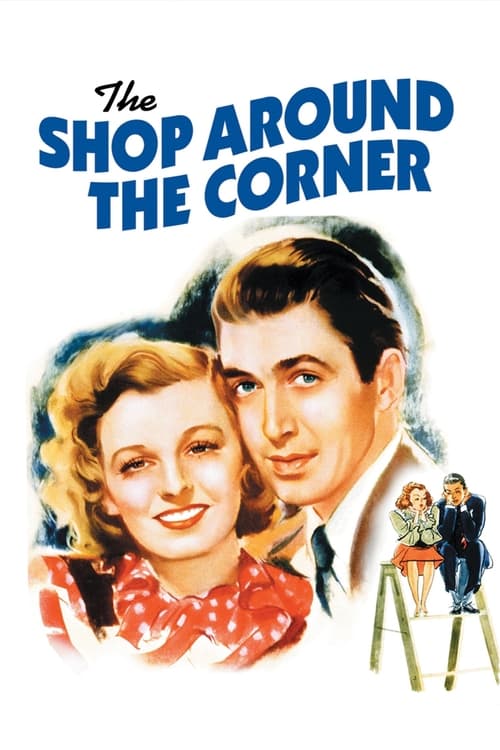
The Shop Around the Corner
Lubitsch hides the central tragedy inside plain sight using wardrobe continuity. Look closely at Alfred Kralik’s suits: his lapels subtly fray as Mr. Matuschek’s paranoia mounts, reflecting his precarious economic standing before the false accusation lands. The recurring presence of the musical cigarette box acts as an auditory motif tracking intimacy; each time it plays "Ochi Chërnye," someone’s romantic illusion crumbles. It is a precise study in micro-gestures, postal logbooks, and disguised socioeconomic desperation.
#5
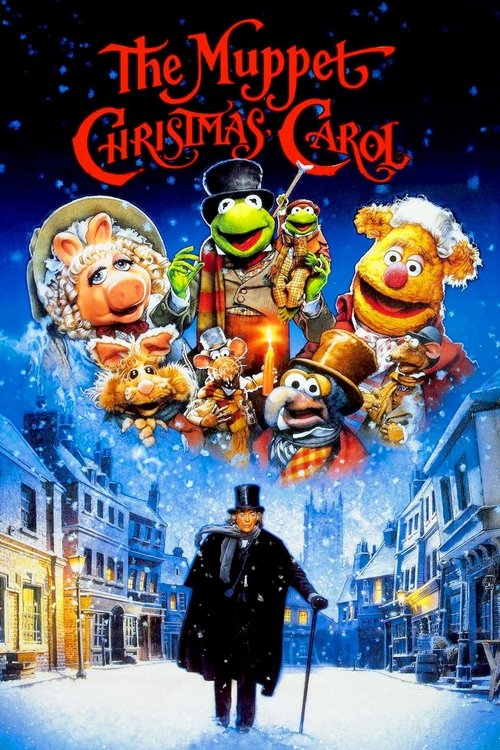
The Muppet Christmas Carol
Michael Caine made the canonical decision to act alongside puppets as if they were Royal Shakespeare Company peers, anchoring Dickens's bleak socioeconomic reality. Track the shop signs in the background of London; several reference original characters cut from the final script. Even Gonzo’s fourth-wall breaks as Charles Dickens obey strict temporal rules, disappearing precisely when Scrooge enters the realm of the Spirit of Christmas Yet to Come where authorial intervention can no longer protect the narrative.
#6
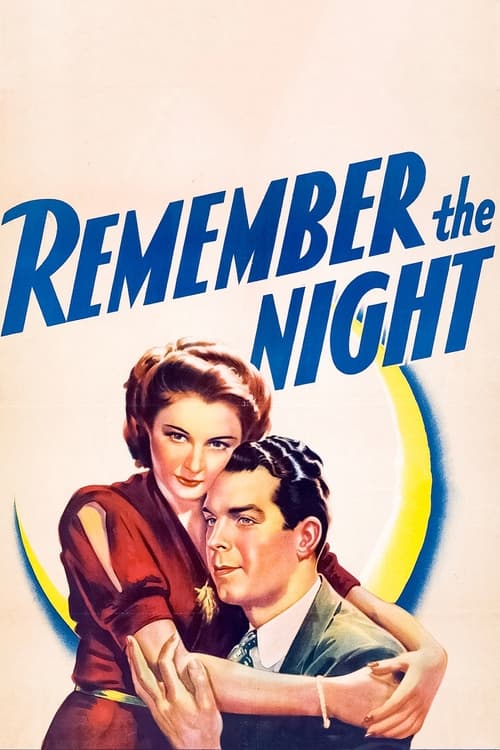
Remember the Night
Preston Sturges wrote this script with obsessive structural pacing that Mitchell Leisen executes through lighting contrast. In the opening New York courtroom, hard shadows carve up Barbara Stanwyck's face, framing her purely as a shoplifter. Once the road trip crosses into Indiana, the lighting softens completely, tracking her psychological thaw. Watch the scene with the antique piano: Sturges embeds the entire tragic resolution into the lyrics of "A Perfect Day," foreshadowing her inevitable self-sacrifice.
#7
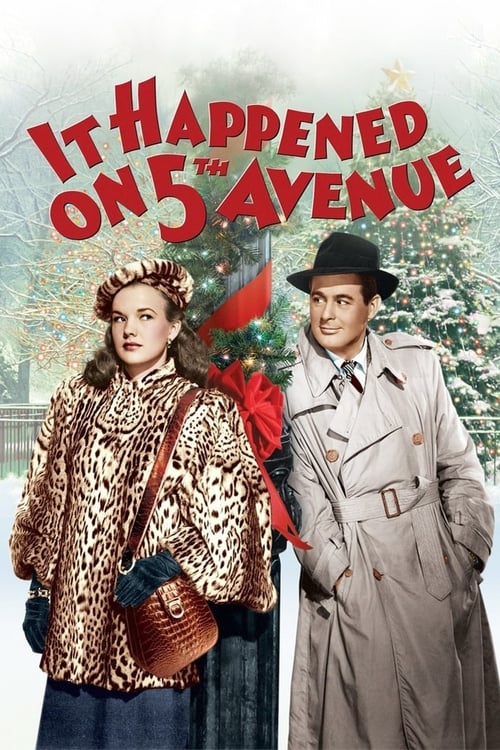
It Happened on Fifth Avenue
Roy Del Ruth builds brilliant spatial geometry inside the boarded-up O'Connor mansion. Track the boarding house squatting rules established by Aloysius T. McKeever: every stolen luxury item is inventoried with bureaucratic precision to avoid grand larceny charges. The film documents post-WWII housing shortages through physical blocking, packing disenfranchised veterans into opulent rooms while billionaire Michael J. O’Connor enters his own home disguised as a drifter. Class warfare plays out entirely through architectural logistics.
#8

Desk Set
Walter Lang loads Bunny Watson's reference department with incredible visual detail that rewards pause-button sleuths. Look at the reference desks: the reference slips pinned to Bunny's board foreshadow every single logic question Richard Sumner uses to test her intellect. When the EMERAC computer arrives, the editing rhythm shifts to mimic punch-card sorting speeds. Bunny’s encyclopedic mind outperforms the machine not through magical intuition, but through superior archival indexing and associative memory retrieval.
0 / 8