


1. The Goldbergs
Molly Goldberg, straight from the airwaves, brought her Bronx apartment right into your living room. You felt like family watching it live, the flubs and all. It wasn't just gags; it was about life, immigrant struggles, and the warmth of a close-knit family, often on those tiny, flickering screens. This showed television could build real, lasting connections, week after week, more than just a quick chuckle.
2. One Step Beyond
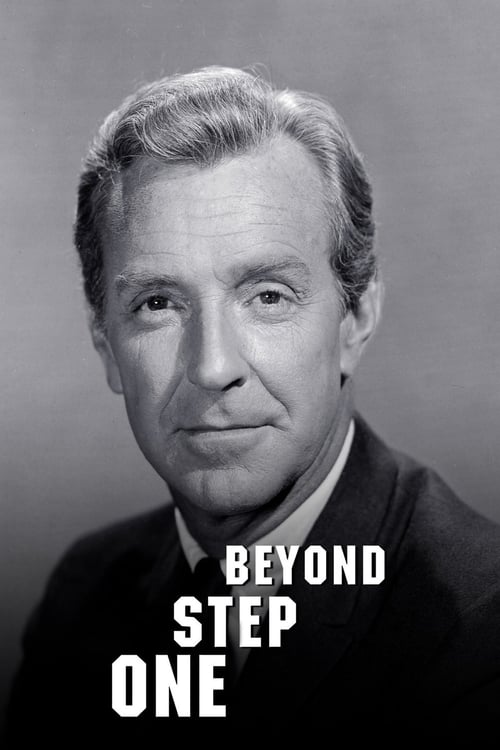
Before Rod Serling gave us the fifth dimension, John Newland was taking us 'one step beyond.' This wasn't monster-of-the-week stuff. These were tales of the unexplained, often presented as true accounts, with a somber, almost documentary feel. It played on your mind, making you question what was really out there, all in stark black and white, leaving a chill long after the credits rolled.

3. Naked City
You felt the grit of New York City right through the screen with 'Naked City.' It wasn't some polished studio set; they were out on the streets, capturing the real pulse of the metropolis. Each week, a new crime, a new face, but always that underlying message: 'There are eight million stories in the Naked City. This has been one of them.' It showed TV could be immediate, unflinching, and real, beyond the stage.
4. Thriller
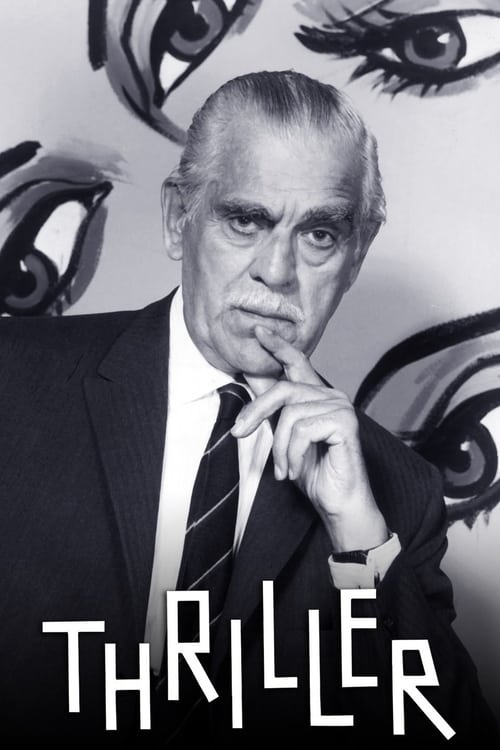
Boris Karloff himself introduced these weekly frights, and believe me, 'Thriller' lived up to its name. It wasn't always ghosts; sometimes it was psychological dread, or a twist of fate, all presented with that classic gothic atmosphere. They pushed the boundaries of what you could show on the living room screen, often making you jump right off the sofa. A masterclass in suspense, pure and simple.
5. The Defenders
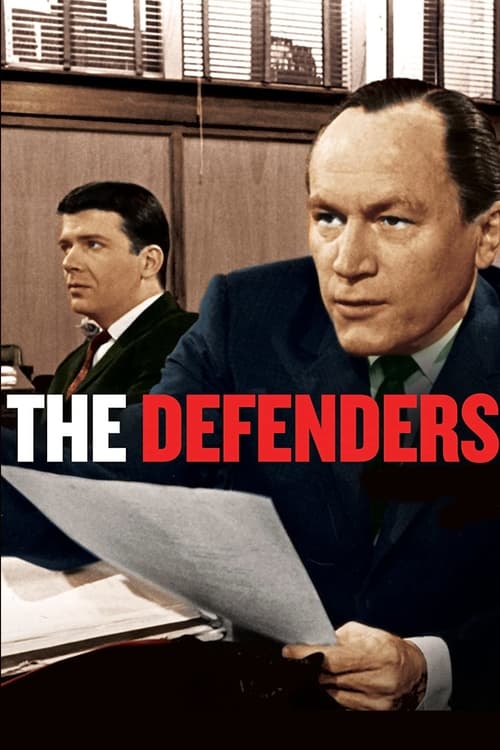
Oh, 'The Defenders' wasn't your typical courtroom drama. It tackled real, tough issues — abortion, McCarthyism, capital punishment — head-on, week after week. The father-son lawyer team, Lawrence and Kenneth Preston, debated morality, not just legal points. It asked viewers to think, to grapple with difficult choices, proving that television could be a powerful forum for social commentary, not just light entertainment. Truly ambitious.
6. Route 66
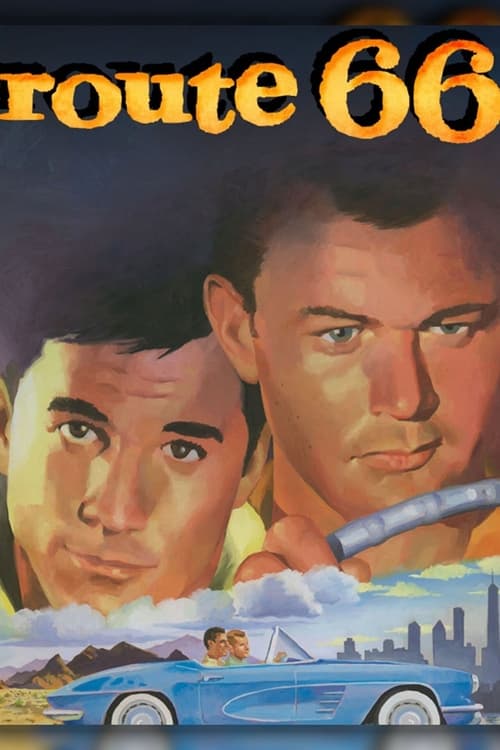
Two young men, Tod and Buz, driving a Corvette across America, seeking adventure and finding themselves. 'Route 66' was more than just a travelogue; it was a character study, exploring the different towns and people they met. Each week was a new slice of American life, a new moral dilemma, showing us the vastness of the country and the human spirit, all from the open road. A real journey.
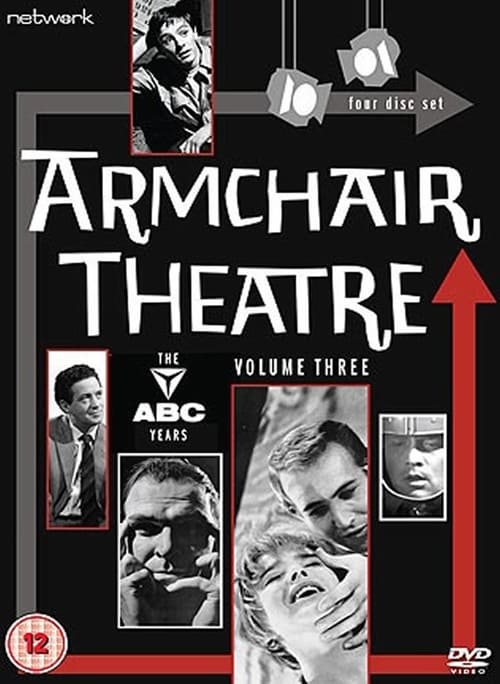
7. Armchair Theatre
Across the pond, 'Armchair Theatre' was doing something truly special. It was live, original drama every week, often tackling gritty, contemporary subjects that made you sit up and take notice. Many celebrated playwrights got their start here. It brought the intensity of the stage right into your home, reminding everyone that television could be a powerful medium for serious, thought-provoking storytelling, not just reruns and silly sketches.
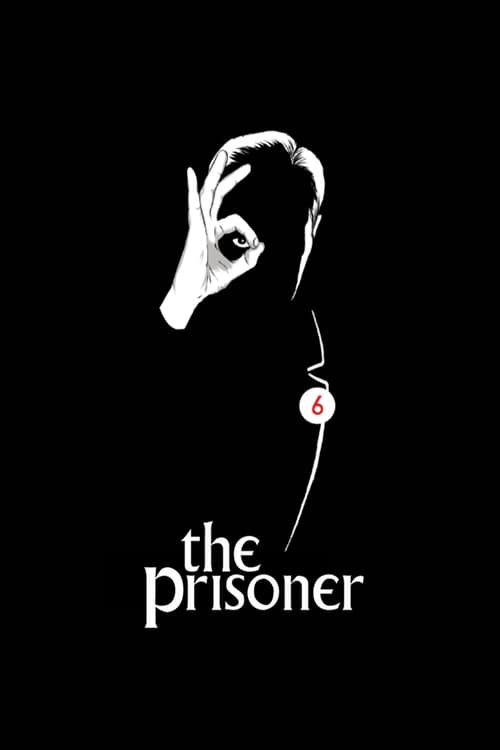
8. The Prisoner
Number Six, trapped in The Village, constantly battling unseen forces. 'The Prisoner' was unlike anything seen before. It was a psychedelic spy thriller, a philosophical puzzle box, and a long-form narrative about identity and freedom. Every episode dug deeper into a conspiracy that challenged your perception of reality. It proved TV could be utterly experimental, demanding your full attention, and leaving you questioning everything.