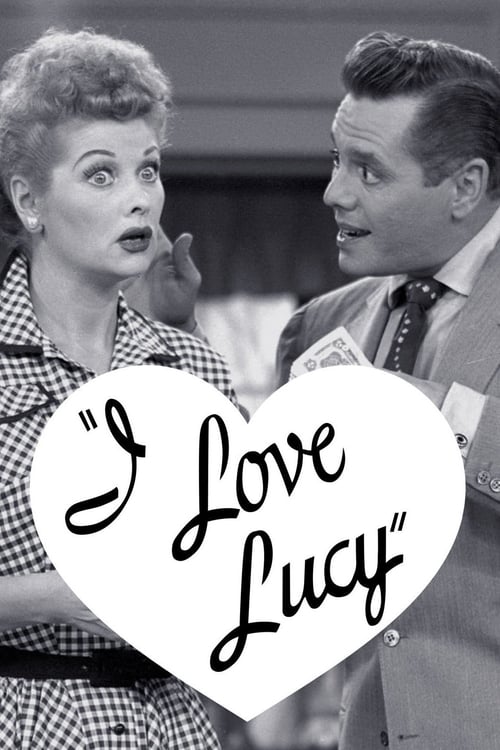
1. I Love Lucy
Now, this was a program. Lucille Ball, a force of nature, alongside Desi Arnaz, practically invented the modern sitcom. Their antics, always leading to some grand, physical catastrophe, kept folks glued to their black-and-white sets. And that live studio audience laughter? It wasn't canned; it was real, a shared experience. That show, with its simple premise and brilliant execution, just worked. A true original, setting the standard for all that followed.
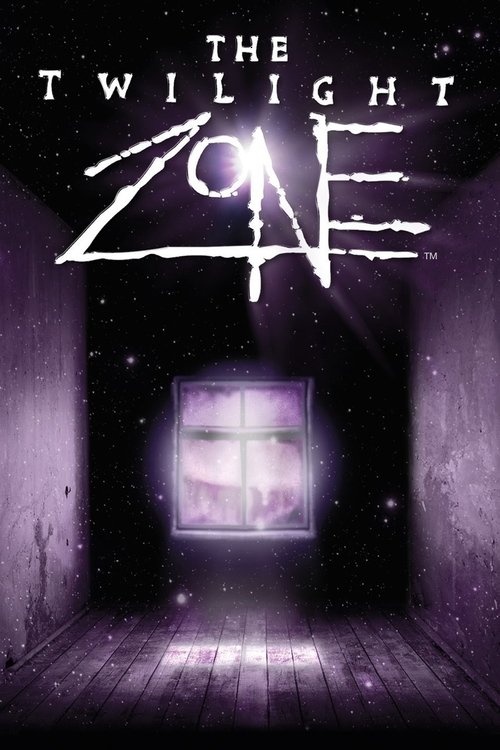
2. The Twilight Zone
Rod Serling, he had a way with words, didn't he? This wasn't just science fiction; it was a weekly morality play, wrapped in the stark visuals of black and white. Each episode, a self-contained little puzzle, often with a twist that made you think long after the credits rolled. It was atmospheric, sometimes unsettling, and always intelligent. For thirty minutes, it transported you, making you ponder humanity's foibles. A truly singular achievement in television storytelling.

3. The Fugitive
Before serialized dramas were commonplace, there was Dr. Richard Kimble, constantly on the run, relentlessly pursued by Lt. Gerard. This program hooked you, week after week, with its long-form continuity, something new for its time. You wanted to know if he'd clear his name, if he'd find the one-armed man. The tension was palpable, even in monochrome, a true masterclass in suspense that kept a whole nation wondering how it would all end.
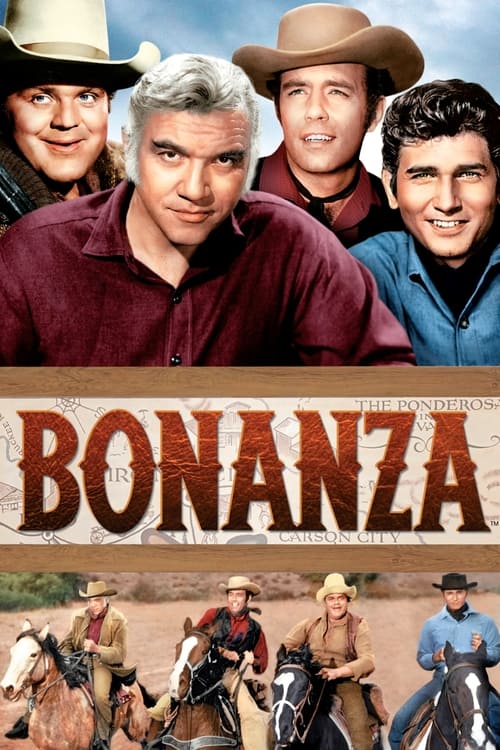
4. Bonanza
Ah, the Cartwrights. Sundays at the Ponderosa, that was appointment television. It was one of the first big hits in glorious color, too, which was quite a spectacle back then. A Western, yes, but it was really about family, about right and wrong in a changing world. Those three sons, and their Pa, they brought a certain warmth and integrity to the screen every week. A classic, through and through, with stories that resonated.

5. The Ed Sullivan Show
You know, Ed Sullivan, he wasn't much of a performer himself, but he knew how to put on a show. From rock and roll to opera, from comedians to acrobats, he had everyone. Sunday nights, you gathered around the set because you never knew who or what you'd see next. It was a cultural touchstone, a live variety hour that truly brought the world into your living room. A genuine institution, that program was.

6. Dragnet
Just the facts, ma'am. Jack Webb's 'Dragnet' set the standard for police procedurals. That deadpan delivery, the meticulous detail, the stark realism for its era – it was revolutionary. You felt like you were right there with Joe Friday, pounding the pavement, solving crimes. The black-and-white cinematography added to the gritty, no-nonsense feel. It wasn't flashy, but it was honest, methodical, and incredibly impactful in its direct approach to storytelling.
7. Playhouse 90
Now, this was serious television, a real commitment to dramatic art. 'Playhouse 90' brought live, ambitious plays right into the home, often running for ninety minutes without interruption. It was the golden age of teleplays, with original stories and big-name talent tackling weighty subjects. You saw real acting, real writing, before the focus shifted entirely to episodic series. A monumental effort, truly, and a testament to what television could achieve dramatically.
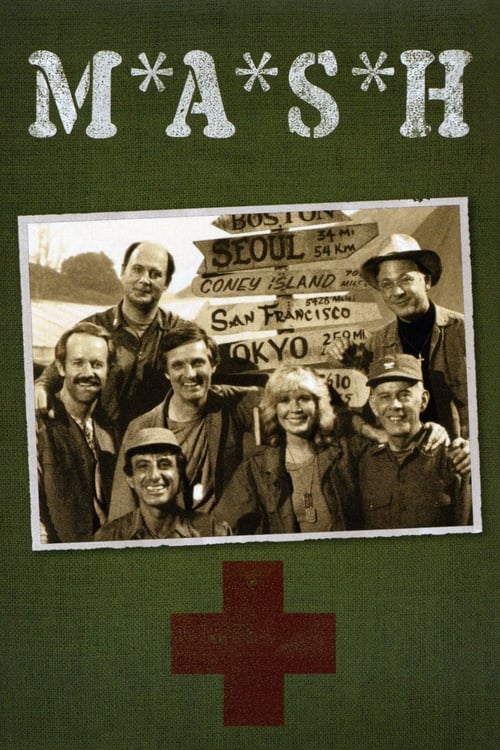
8. M*A*S*H
For years, 'M*A*S*H' showed us that a sitcom could be more than just laughs. It balanced humor with the harsh realities of war, often leaving you with something to ponder. The ensemble cast was superb, and the writing, sharp as a surgeon's scalpel. It evolved, too, from a simple comedy to a profound exploration of humanity under duress. And that finale? It truly stopped the nation, a television event unlike any other.