1. Max Headroom
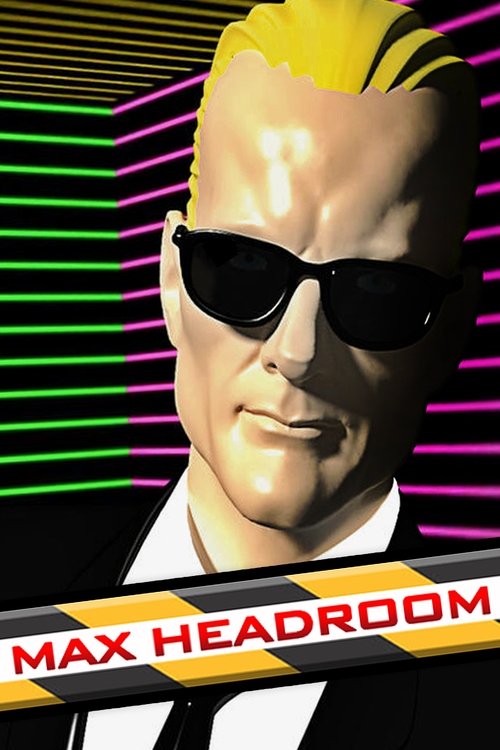
Max Headroom wasn't just some glitchy talking head, it was a full-blown assault on the future, broadcast live from a TV screen. That 1987 series amplified the UK special into a full-throttle cyberpunk dystopia, all neon glare and corporate media control. The practical digital effects for Max himself were groundbreaking, a true analog-meets-digital nightmare. It felt like channel surfing through a hyper-real nightmare, predicting our screen-addicted lives with unsettling accuracy. And that stutter! Pure static poetry.
2. Sapphire & Steel
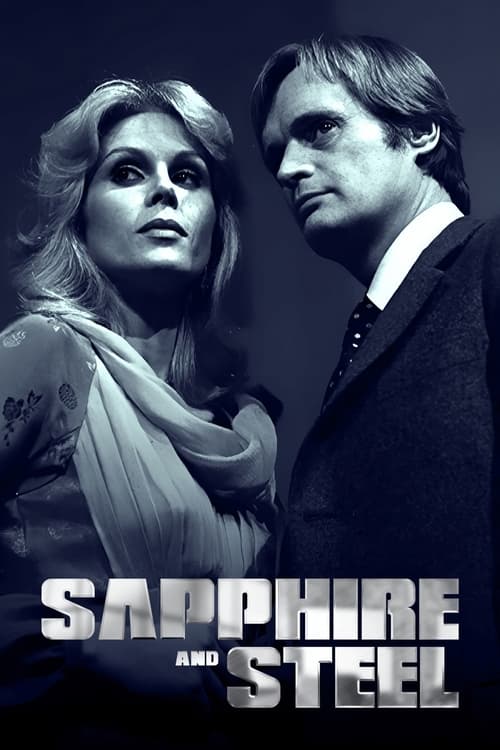
Forget your typical sci-fi, Sapphire & Steel was something else entirely. This 1979 British gem was a slow-burn, atmospheric dread-fest about two interdimensional operatives fixing temporal anomalies. It was minimalist, almost theatrical, with bizarre practical effects and a relentless sense of unease. No flashy explosions, just existential horror wrapped in a low-budget, high-concept package. It stuck with you, making you question every shadow and every ticking clock. Pure experimental dread.
3. Captain Power and the Soldiers of the Future
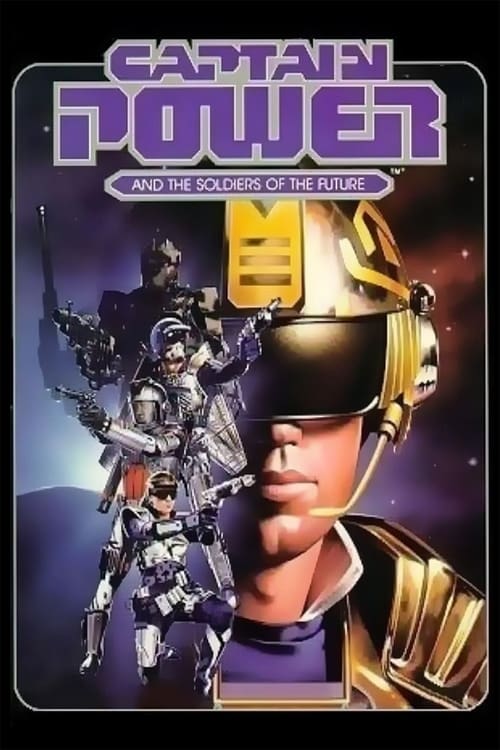
Captain Power wasn't just a toy commercial, it was a terrifying glimpse into interactive TV. The 1987 series mixed live-action with early CGI, creating this dark, post-apocalyptic future where robots hunted humans. But the real kicker? You could shoot your light gun at the screen and battle the Bio-Dreads. That was wild for a kid's show. It pushed boundaries, both visually and thematically, with its surprisingly grim, serialized take on survival. Proto-multimedia madness.
4. Sledge Hammer!
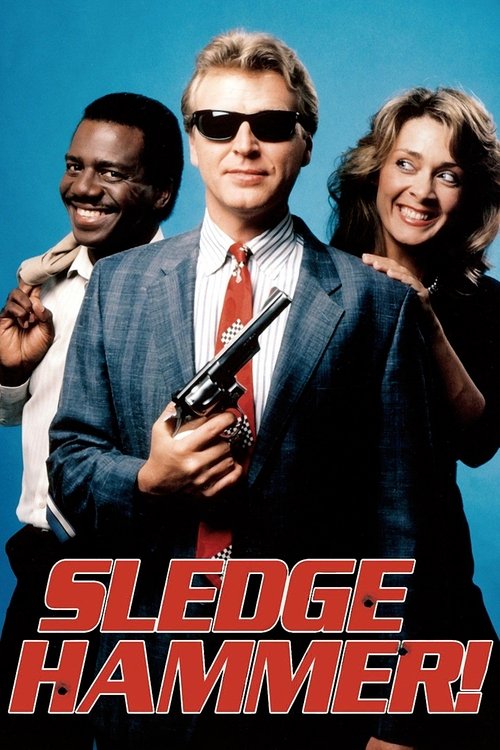
Sledge Hammer! was a beautiful, chaotic mess. This 1986 syndicated sitcom was a brilliant parody of every hard-boiled cop show, but with an almost nihilistic glee. Detective Sledge Hammer, with his pearl-handled .44 Magnum, blew up more than just bad guys; he blew up genre conventions. It was absurdly violent, politically incorrect, and relentlessly funny. And it knew exactly how ridiculous it all was, winking at the audience with every explosion. Pure punk rock comedy.

5. Wiseguy
Wiseguy, in 1987, was pure serialized genius. This wasn't your dad's episodic cop show; it was a deep dive into the underworld, with arcs that lasted for months. Vinnie Terranova going undercover, losing himself in these elaborate crime families – that was television pushing its boundaries. It had a cinematic feel, complex characters, and a brutal realism that felt ahead of its time. And the moral ambiguities? Chef's kiss, for a broadcast network show.
6. Freddy's Nightmares
Freddy's Nightmares was peak syndicated horror, a weekly dose of dream logic and practical gore. The 1988 anthology series capitalized on Freddy Krueger’s popularity, giving us new victims and new nightmares every episode. It was cheap, cheerful, and delightfully grotesque, often pushing the boundaries of what you could show on late-night TV. And Robert Englund, of course, was always there, delivering those one-liners with gruesome relish. A true analog horror oddity.
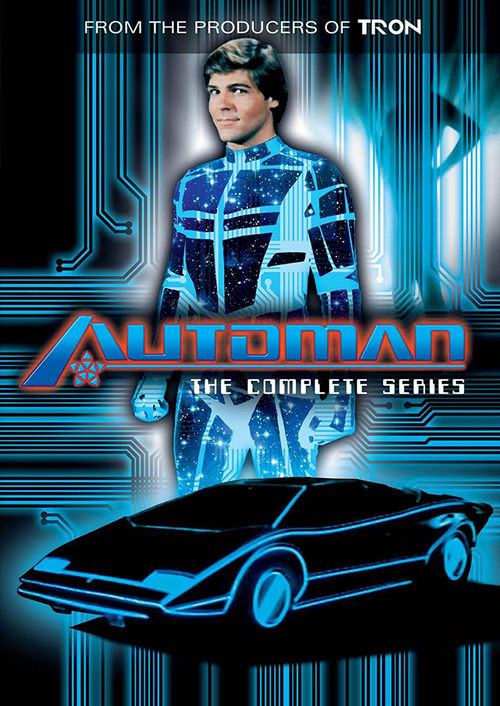
7. Automan
Automan was a neon fever dream, straight out of 1983. This show practically glowed with early computer graphics and practical light effects. The idea of a holographic crime-fighter who could materialize a glowing car or a helicopter? Pure 80s sci-fi fantasy. It was Tron on a TV budget, clunky but charming, with that distinct visual style that just screamed 'the future is here, and it's electric blue.' A true analog-digital hybrid, for better or worse.

8. UFO
UFO from 1970 was the definition of cult sci-fi, a beautifully bizarre British export. Those silver wigs, the purple uniforms, the moonbase — it was all so wonderfully stylized and utterly unique. Gerry Anderson’s vision for an alien invasion was serious, but with an undeniable fashion flair and incredible practical models. It had a dark, paranoid edge, unlike anything else on TV at the time. Pure analog spectacle, years before Star Wars made it cool.