
1. Kraft Television Theatre
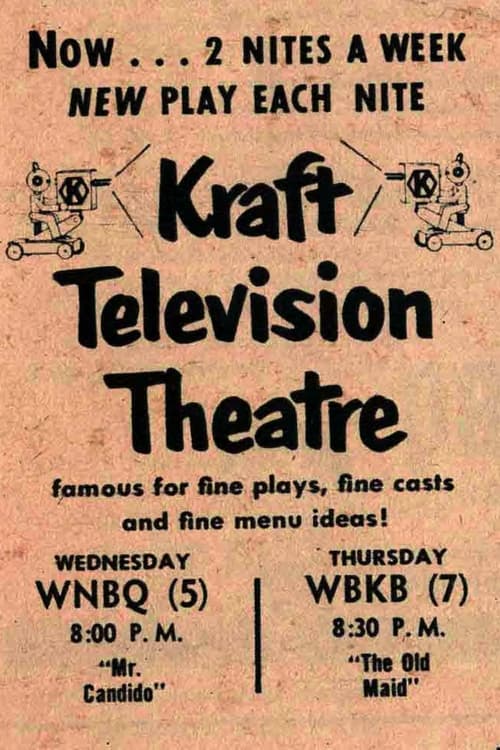
Oh, this was the crucible. Live, weekly drama, often from original scripts, played out in black-and-white with scarcely a retake. You saw the actors sweat, and the cameras sometimes wobbled, but the stories, often melodramatic, felt immediate. It showcased the raw talent, and the occasional flub, that made early television feel like an event. Kinescopes preserve only a fraction, but they show its foundational importance.
2. Your Show of Shows
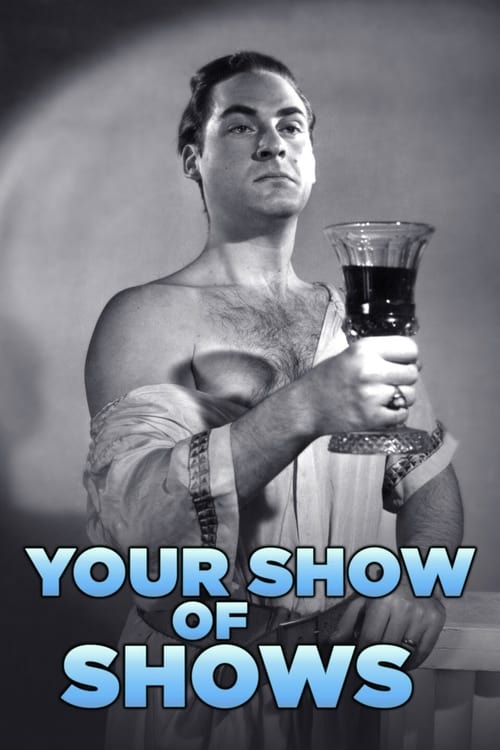
Now, that was television! Sid Caesar and Imogene Coca, a whirlwind of live sketch comedy and variety acts that defined Saturday nights. The energy was palpable, the writing sharp, and the performances, well, they were legendary. This was before things got too slick; it was raw talent and quick wit, often feeling like a brilliant, organized chaos. And it all happened right there, before your eyes.

3. Naked City
Few shows captured the grime and pulse of a real metropolis like this one. Shot largely on location in New York City, it was a gritty, black-and-white police procedural that felt less about heroics and more about the complicated lives tangled in crime. And each episode ended with that iconic narration, 'There are eight million stories in the naked city. This has been one of them.' It was truly groundbreaking realism for its time.
4. The Outer Limits
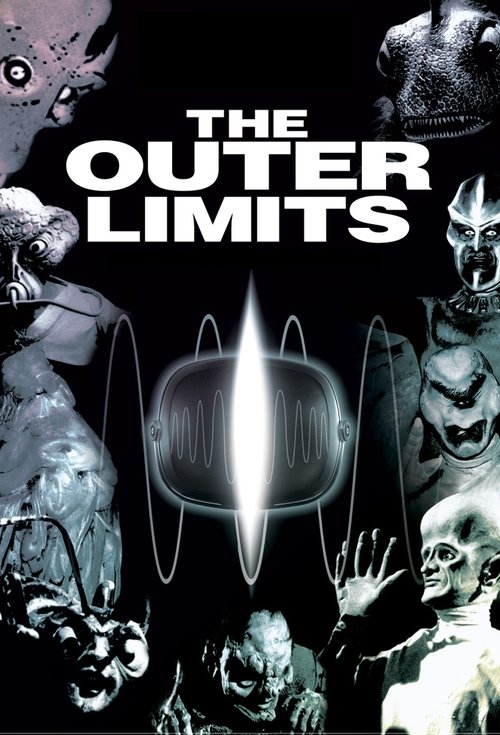
If you wanted something a bit more cerebral, and often quite chilling, than its more popular cousin, this was it. Every week, a new monster, a new scientific quandary, often with a more somber, less ironic tone. The photography, always stark and atmospheric in black and white, gave it a unique, unsettling beauty. And those opening titles, declaring 'There is nothing wrong with your television set,' promised something truly different.
5. East Side/West Side
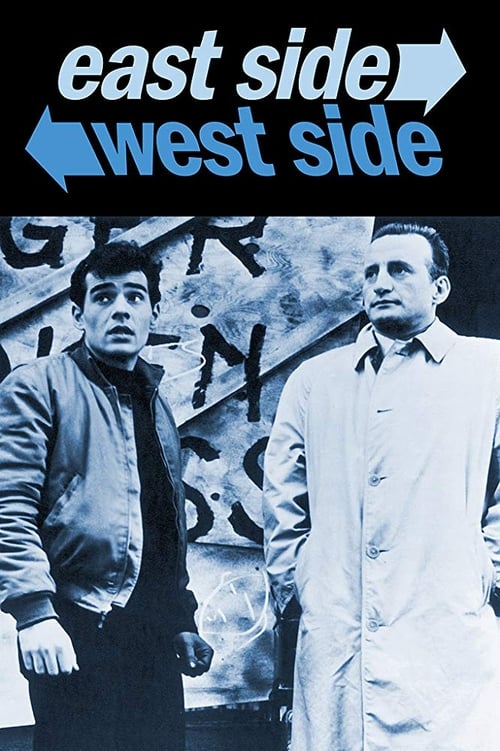
George C. Scott as a New York social worker, tackling poverty, racial prejudice, and bureaucracy head-on. This was not escapism; it was hard-hitting, black-and-white drama that dared to be topical. Too often, audiences wanted to be entertained, not confronted. But for those who watched, it was a powerful, uncomfortable mirror reflecting the real issues of the day. And it certainly didn't flinch.
6. Run for Your Life
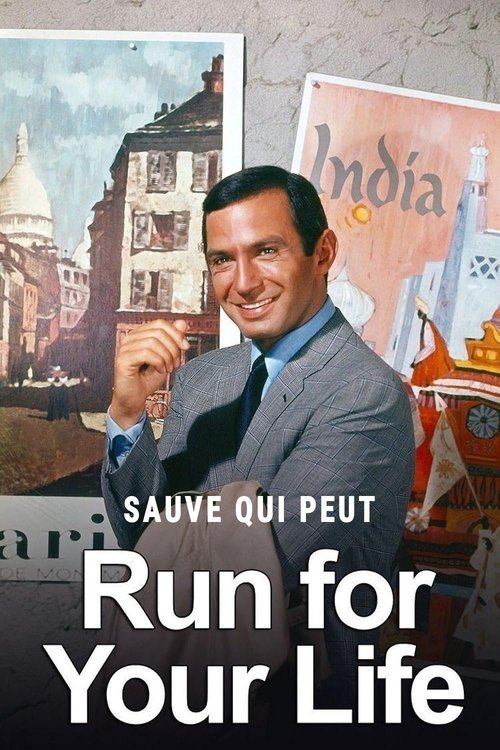
A peculiar premise, this. Glenn Ford plays a man told he has only a year or two to live, so he decides to spend it traveling the world, having adventures. It was episodic, of course, but that underlying thread of mortality gave it a certain melancholy. And it provided a grand excuse for exotic locales every week, a far cry from the usual studio-bound fare. A travelogue with a ticking clock.
7. The Monkees
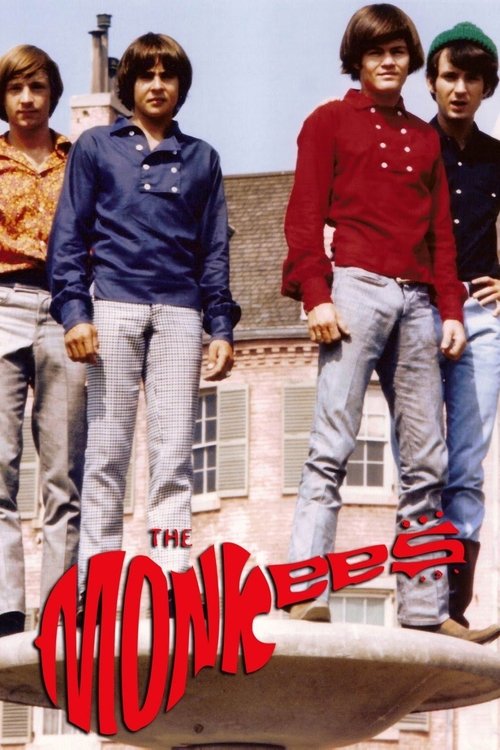
Well, this was something else. A manufactured pop group, sure, but their television show was pure, unadulterated energy. It mixed slapstick comedy with music videos before anyone knew what that meant, breaking the fourth wall and experimenting with jump cuts. It wasn't 'high art,' but it was undeniably catchy and often quite funny. And it proved that television could be a powerful pop culture engine.
8. The Prisoner
A singular vision from Patrick McGoohan, this British import was utterly perplexing and utterly compelling. A former secret agent wakes up in a mysterious, beautiful village from which there is no escape, always battling an unseen 'them.' It was a masterclass in psychological drama, allegory, and sustained mystery, challenging viewers to think. And that Rover, the giant white ball, still gives me the willies.