
1 / 8
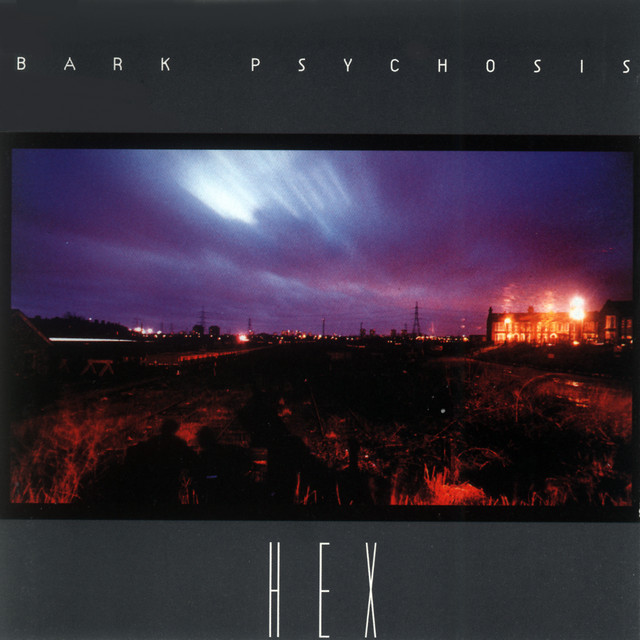
1. Hex
Bark Psychosis' 1994 debut was a seismic shift, basically inventing "post-rock" before the term even stuck. It wasn't just quiet-loud; it was mood, texture, and space. Those guitars, those distant vocals, the way it all just *breathed* with digital reverb and melancholic longing, it felt like the future and the past collapsing. For a whole generation, this was the sound of navigating an unknown, sprawling emotional landscape. Still completely captivating.
2 / 8

2. Lifeforms
The Future Sound of London’s 1994 epic, *Lifeforms*, felt like a digital ecosystem manifesting. It was more than just ambient techno; it was a sprawling, organic soundscape where every synth pulse and layered sample had a purpose. You could get lost in its intricate, evolving textures, a truly immersive experience that felt both ancient and hyper-modern. This album showed just how much depth electronic music could achieve, creating entire worlds in your headphones.
3 / 8
3. Gesticulate Elastically
Urusei Yatsura’s 1998 record was a glorious, noisy mess, a perfect snapshot of late-90s indie-rock urgency. It felt like they took the best bits of Pavement’s wit, Sonic Youth’s feedback, and some classic C86 jangle, then supercharged it with this frantic, almost adolescent energy. The guitars just buzz and clang, the vocals are half-shouted, half-sung, and it’s all delivered with a charmingly ramshackle confidence. So much unpolished heart.
4 / 8
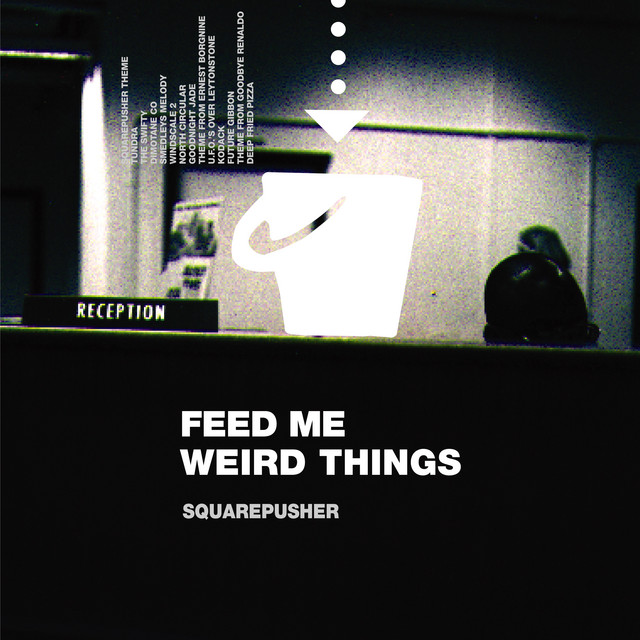
4. Feed Me Weird Things (Remastered)
Squarepusher’s 1996 debut, even in its remastered form, is a brain-melter. It was drum and bass, but twisted into knots with jazz fusion and IDM precision. This wasn't just beats; it was complex, frenetic, almost alien sound design. The remastered version cleans up some of the edges, but the raw, audacious spirit of its original digital experimentation remains. It’s still a masterclass in controlled chaos, challenging and exhilarating.
5 / 8
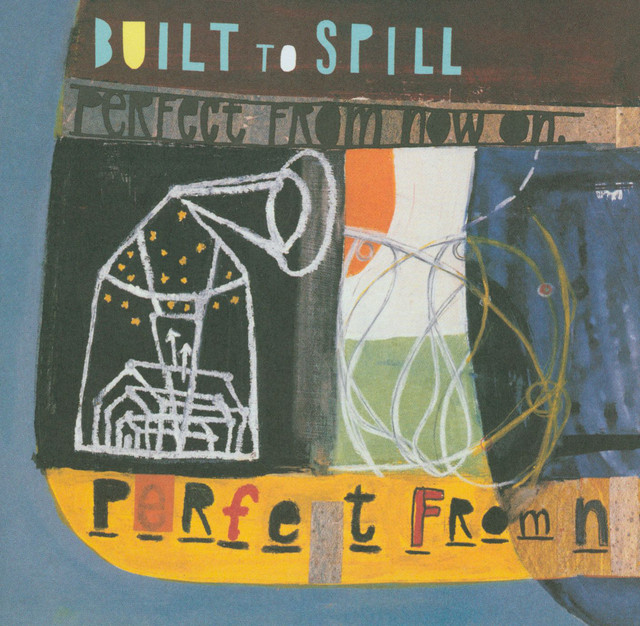
5. Perfect from Now On
Built to Spill's 1997 classic was all about those guitars, man. Doug Martsch crafted these sprawling, intricate narratives not just with words, but with these incredible, intertwining guitar lines that just built and built. It had this melancholic, slightly detached vibe, but then those solos would just soar, full of yearning and a kind of quiet grandeur. It redefined what "indie rock" could mean, stretching its ambition without losing its heart.
6 / 8
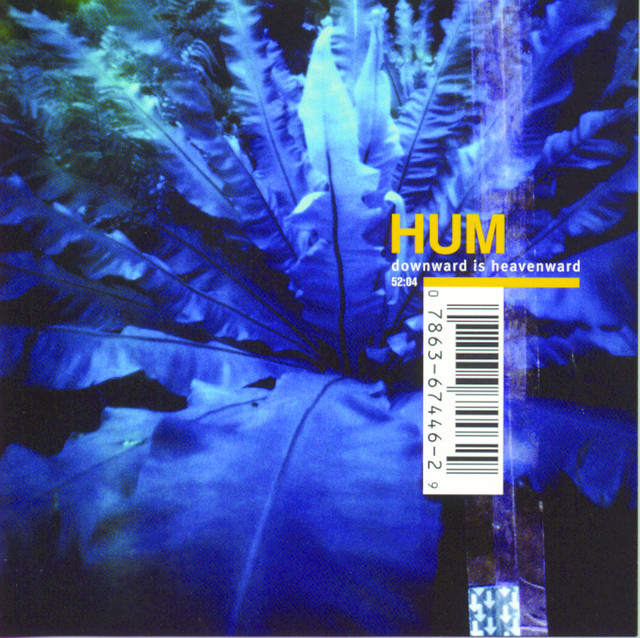
6. Downward Is Heavenward
Hum’s 1998 album was a behemoth of sound, a perfect bridge between heavy shoegaze and post-grunge weight. Those guitars, man, they were just massive, like a wall of fuzz and melody that could crush you and lift you at the same time. It had a cosmic, almost detached quality, but with this underlying emotional intensity that just resonated. For anyone needing something heavy yet ethereal, this still hits with incredible force.
7 / 8
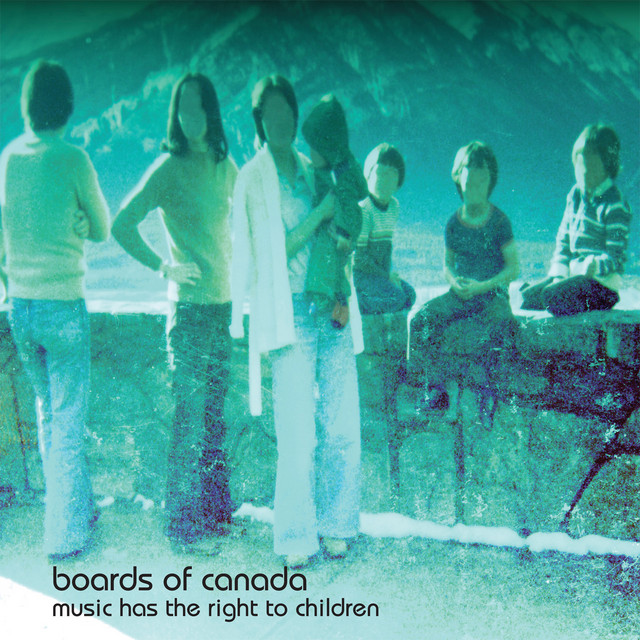
7. Music Has The Right To Children
Boards of Canada's 1998 masterpiece wasn't just IDM; it was pure, unadulterated nostalgia for a childhood that never quite existed. Those hazy, warbling synths, the crackling samples, the subtly off-kilter beats – it created an entire world of faded VHS memories and innocent wonder. It felt like stumbling upon a forgotten playground in a digital dreamscape. Still the benchmark for evocative, emotive electronic music.
8 / 8
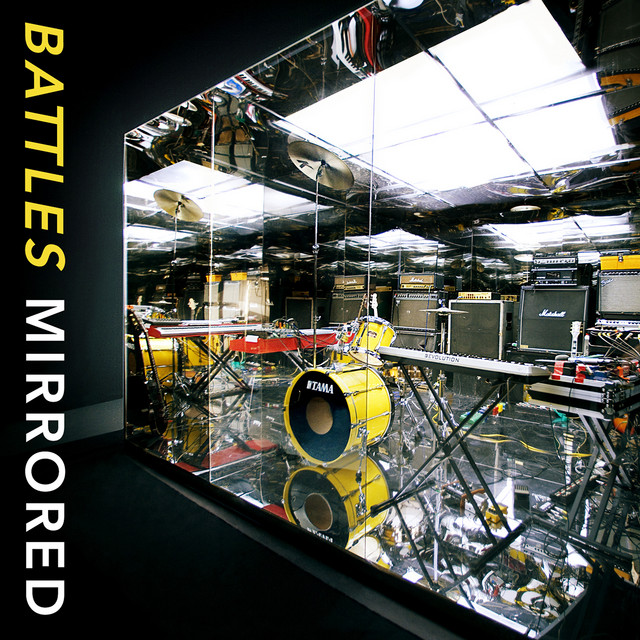
8. Mirrored
Battles' 2007 debut was a revelation, pure math-rock wizardry cranked through a digital effects rack. It wasn't just complex; it grooved, it pulsed, it had this weird, almost playful energy. The guitars, the drums, the synths – they all locked into these intricate, interlocking patterns that were both brainy and totally visceral. It felt like the logical next step for instrumental rock, pushing boundaries with precision and infectious rhythm.