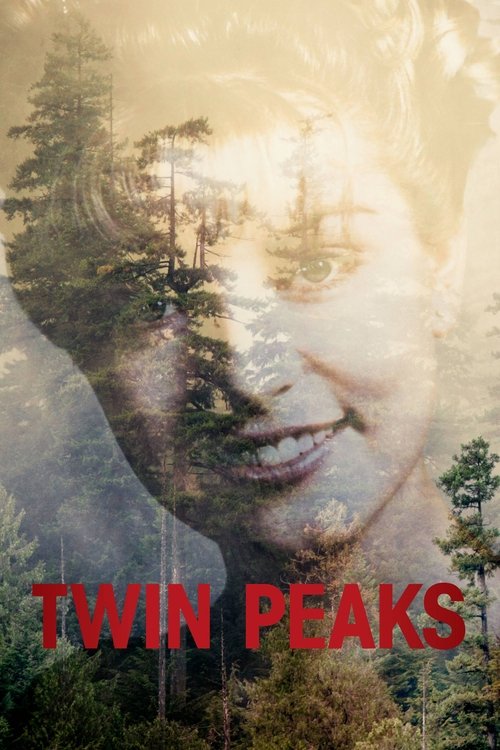
1. Twin Peaks
This wasn't just a murder mystery; it was a surreal, unsettling dream wrapped in small-town Americana. Lynch and Frost blew up network TV's formula, proving audiences could handle deeply serialized, bizarre narratives. It cultivated a cult following before "cult" was a marketing term, hinting at a future where niche, artistic visions found their devoted viewers, paving the way for more complex, long-form storytelling that defied easy categorization. It was appointment viewing, but its influence lingered long after the credits.
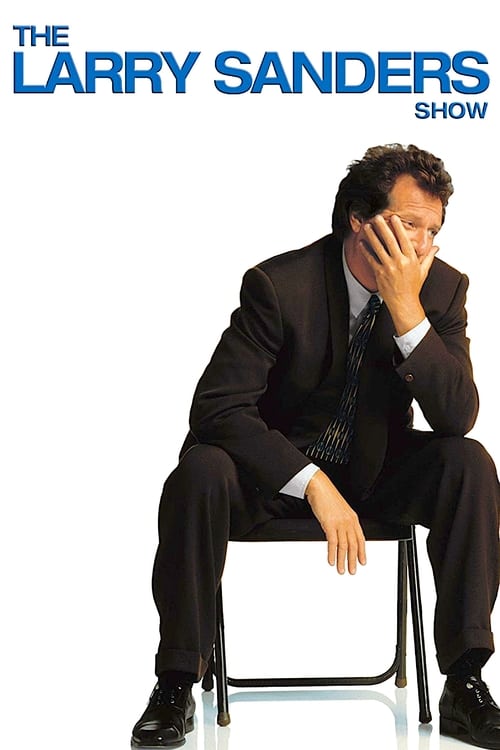
2. The Larry Sanders Show
Before "The Office" or "Curb," Larry Sanders perfected the cringe-comedy mockumentary, pulling back the curtain on late-night TV's manufactured charm. It was smart, uncomfortable, and devastatingly honest about celebrity ego and insecurity. This show defined workplace dysfunction, but with a sharp wit that wasn't just observational; it was dissecting. It normalized the idea of a show being about the *feeling* of a place, not just its plot, influencing countless self-aware comedies that followed, proving TV could be both funny and deeply insightful.
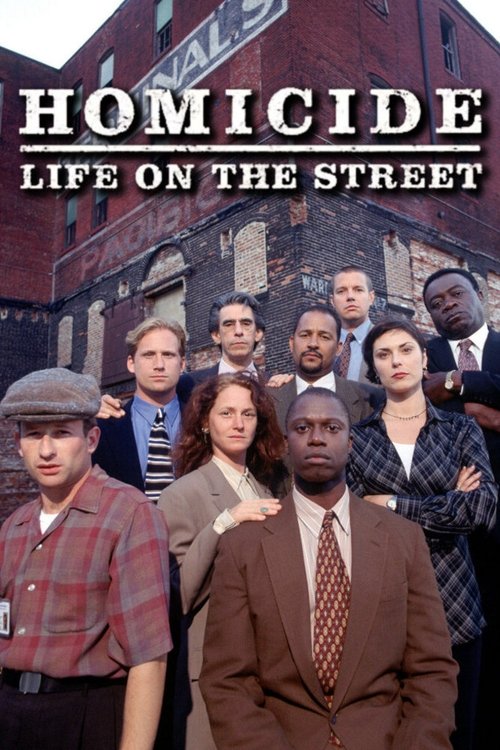
3. Homicide: Life on the Street
Barry Levinson's gritty, handheld camera work and overlapping dialogue ripped apart the neat procedural. It showed us police work wasn't clean; it was messy, frustrating, and morally ambiguous. This wasn't about catching the bad guy in 42 minutes; it was about the grind, the toll, the *life*. It was an early masterclass in ensemble drama, where every character felt lived-in, setting a new bar for realism and serialized character development that cable would later embrace, showing depth could thrive on network TV.
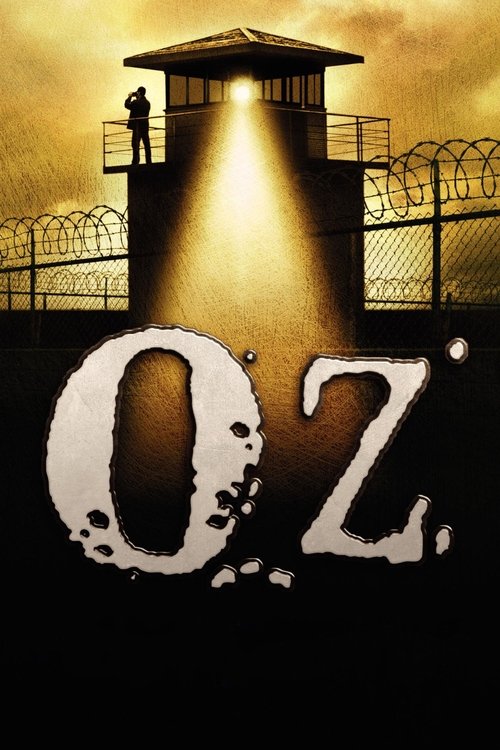
4. Oz
HBO truly arrived with "Oz." This wasn't just a prison drama; it was a brutal, unflinching look at institutional rot and human depravity, where no character was safe and no redemption guaranteed. It shattered network TV's content restrictions, proving that a premium cable subscription offered something genuinely different: raw, uncompromising storytelling. The serialized arcs were relentless, the ensemble cast stellar, and its willingness to go dark paved the way for everything from "The Sopranos" to "Game of Thrones."
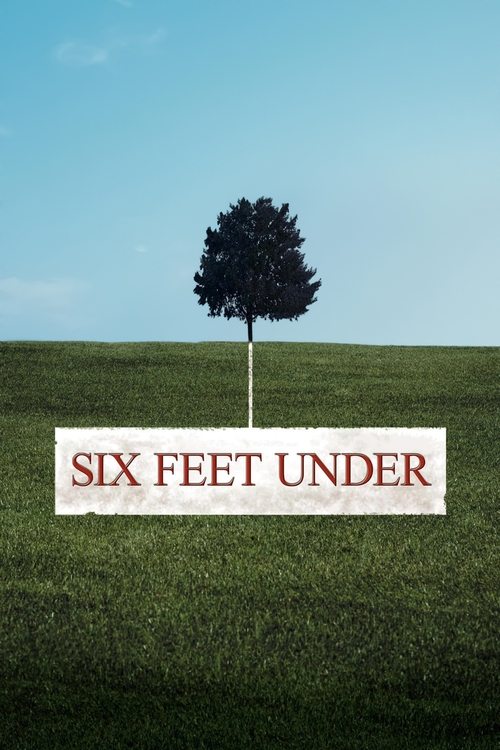
5. Six Feet Under
Alan Ball's series found profound beauty in the macabre, exploring life and death through the lens of a family funeral home. It blended dark humor, existential dread, and deeply human relationships into something utterly unique. This was peak early-2000s HBO: character-driven, emotionally complex, and unafraid of its own melancholy. It showed how serialized drama could be less about plot twists and more about the slow, agonizing, beautiful unfolding of human experience, ending with one of TV's greatest finales, defining an era.
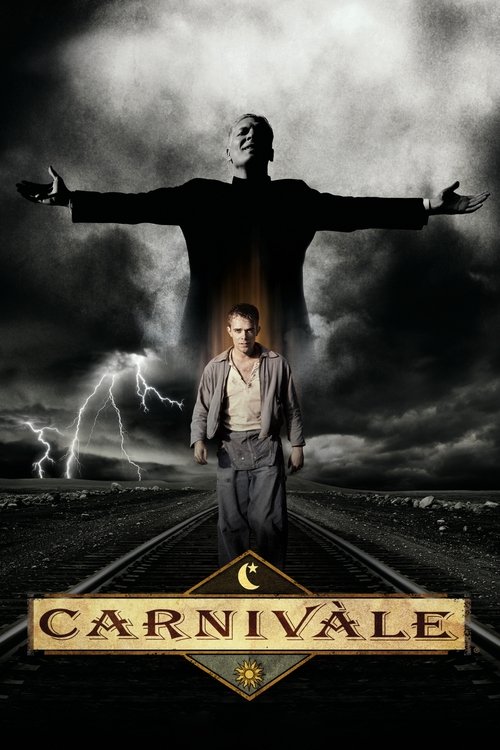
6. Carnivàle
A beautiful, baffling, and ultimately doomed experiment, "Carnivàle" was HBO's swing for the fences, delivering cinematic ambition on a television budget. Its Depression-era setting, mythic scope, and dense mythology were unlike anything else on air. While its narrative was often opaque and its budget unsustainable, it represented a vital step in TV's cinematic evolution. It proved that television could aspire to the scope and artistry of film, even if it sometimes stumbled in the execution, pushing boundaries regardless.
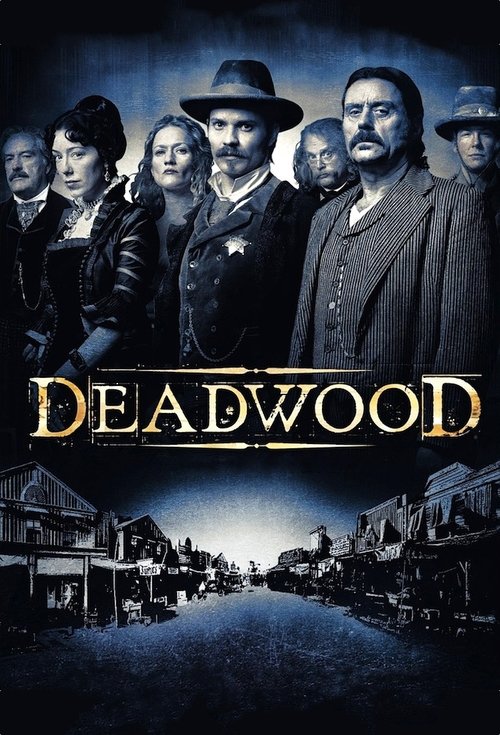
7. Deadwood
Milch's profane, poetic Western wasn't just a period piece; it was a masterclass in language and character, depicting the brutal birth of civilization. The ensemble was unparalleled, the dialogue a dizzying blend of Shakespearean eloquence and raw vulgarity. It redefined historical drama, proving you could be authentic, dirty, and profoundly literary all at once. This was HBO at its most uncompromising, demonstrating that intelligent, challenging narratives could find an audience, even with a vocabulary warning label, and demand respect.