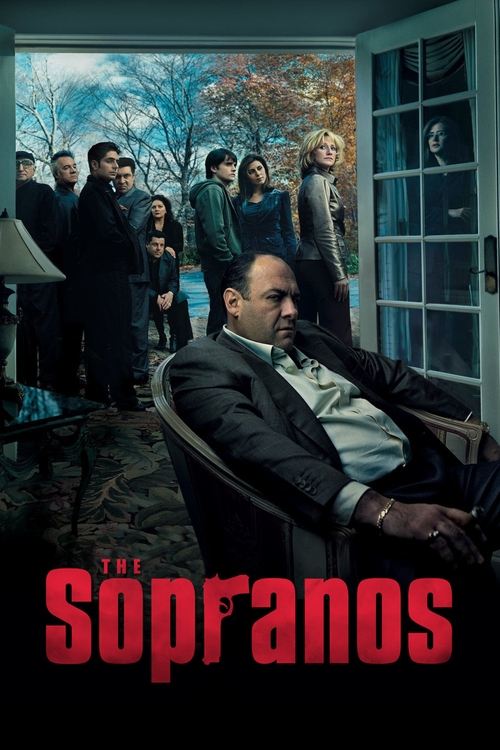
1. The Sopranos
Before Tony Soprano, TV anti-heroes weren't this complex. HBO took a massive swing, delivering a mob boss in therapy, blending gritty crime drama with domestic anxieties. This show pioneered serialized, cinematic storytelling on the small screen, proving that cable could produce narratives as rich and morally ambiguous as any feature film. It reset the bar for prestige television, making every Sunday night appointment viewing.
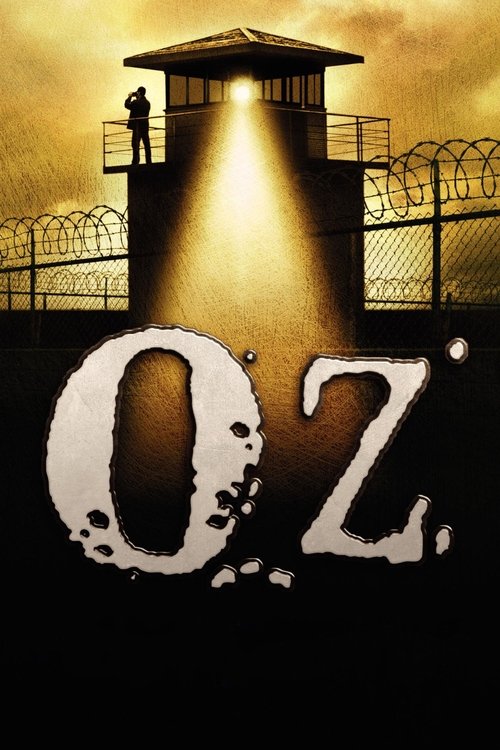
2. Oz
This was HBO’s raw, unflinching answer to network TV. Set in a maximum-security prison, *Oz* didn't pull punches, showcasing brutal power dynamics and complex moral quandaries. Its ensemble cast navigated a violent, claustrophobic world, pioneering serialized drama where consequences truly mattered. It was a foundational piece for cable's willingness to go dark, depicting a stark reality that mainstream television wouldn't touch.
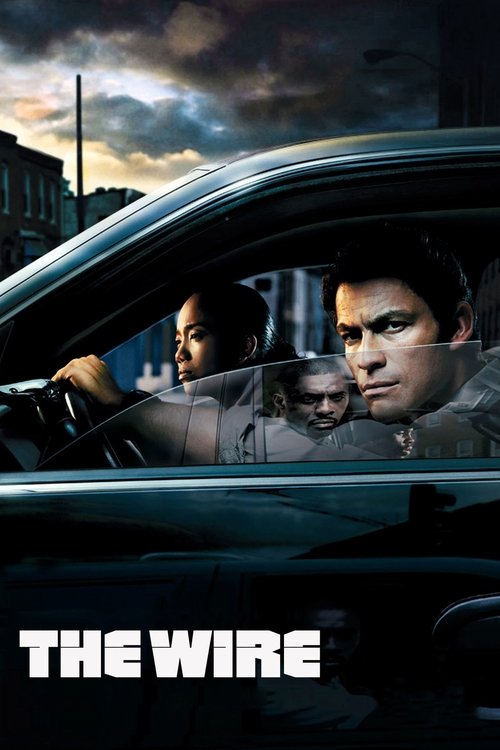
3. The Wire
Forget procedural, *The Wire* was a novel for television. It meticulously depicted Baltimore through multiple institutional perspectives – police, drug dealers, politicians, schools – revealing systemic failures with unparalleled depth. Its sprawling ensemble, naturalistic dialogue, and cinematic ambition elevated TV to an art form, demanding attention to detail and rewarding viewers who committed to its complex, serialized narrative. It truly changed how we understood urban storytelling.
4. Six Feet Under
Death was just the beginning for the Fishers. This show offered a darkly comedic, deeply emotional look at a family running a funeral home, confronting mortality with every episode. HBO allowed Alan Ball to explore grief, family dysfunction, and personal growth with a lyrical, often surreal touch. It was character-driven prestige drama at its finest, proving that serialized storytelling could be profoundly introspective and unique.
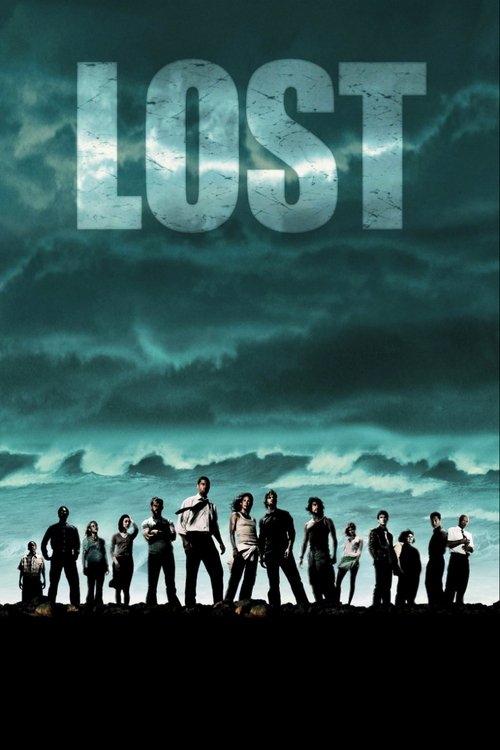
5. Lost
This show blew the doors off serialized mystery. A plane crash on a mysterious island kicked off a narrative that blended sci-fi, drama, and character-driven flashbacks, turning watercooler talk into intense theorizing. *Lost* perfected the "mystery box" approach, fostering unprecedented fan engagement and pushing network television towards more complex, long-form storytelling, even laying groundwork for how people would consume content online.
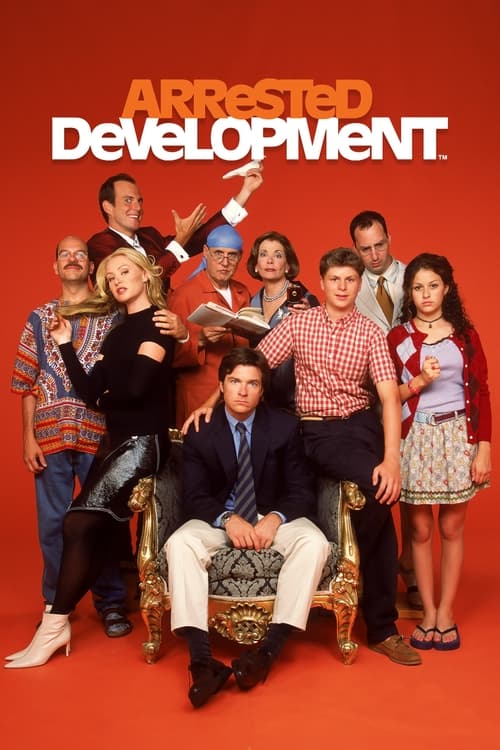
6. Arrested Development
This was a comedy masterclass, packing layers of running gags, callbacks, and visual jokes into every minute. Its mockumentary style, paired with a dysfunctional family’s absurd antics, felt fresh and daring. It struggled on network TV, but became a cult phenomenon, perfectly suited for the emerging on-demand binge-watching culture that allowed viewers to catch every intricate, serialized comedic detail.
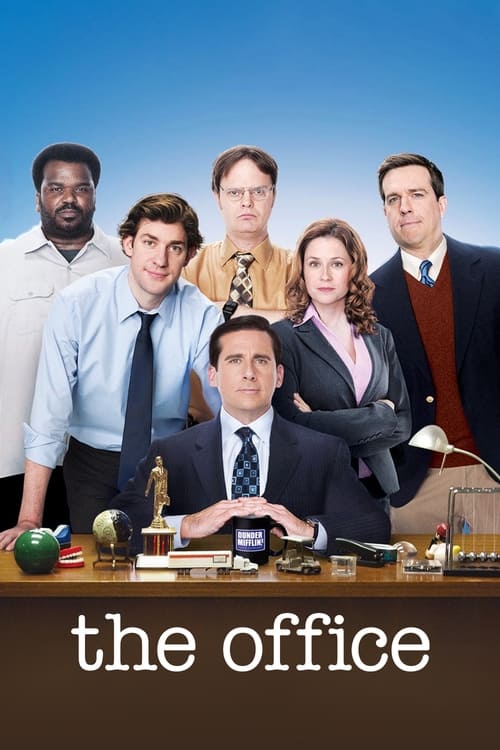
7. The Office
The American version perfected the mockumentary sitcom, turning a mundane workplace into a goldmine of awkward humor and genuine heart. Steve Carell led an ensemble that felt utterly real, transitioning from cringe comedy to surprisingly poignant character arcs. It showed how serialized character development could deepen a comedy, becoming a cornerstone of comfort viewing and cementing the format's popularity for years.