

1. The Twilight Zone
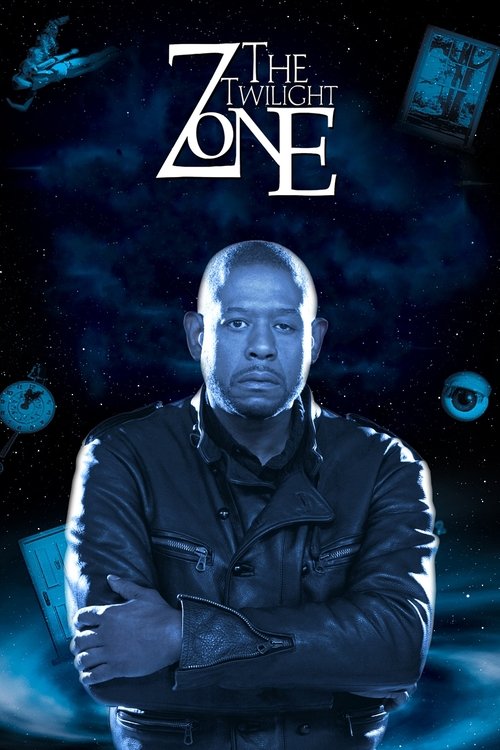
Oh, that Rod Serling. He had a way of looking right through you, didn't he? Each week, a new story, a new puzzle, often in stark black-and-white. It wasn't just spooky; it made you think. The camera angles, the sparse sets—it all added to that unsettling feeling, proving you didn't need big budgets for big ideas. It truly *spoke* to the subconscious.

2. Playhouse 90
Now, *Playhouse 90* was something else entirely. Live television, sprawling dramas unfolding right before your eyes. You felt the immediacy, the tension in every scene. These were serious plays, often running ninety minutes, tackling big subjects. It was a grand experiment in long-form storytelling, showing us that the small screen could handle more than just quick laughs or singing acts. Real theater, every week.
3. The Dick Van Dyke Show
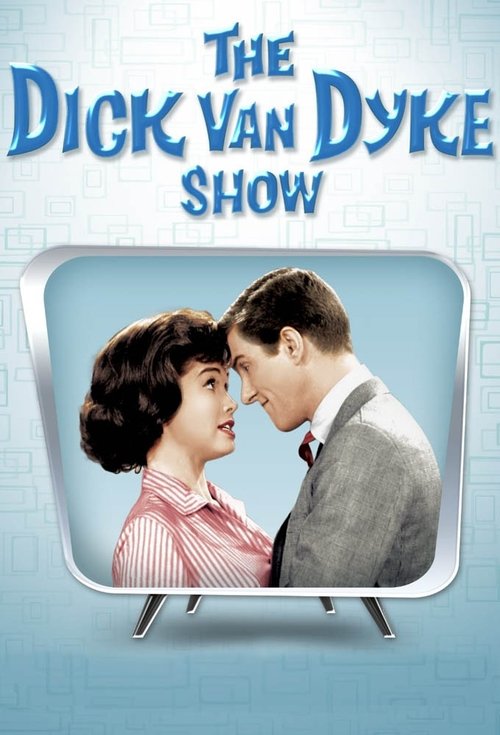
Well, Rob Petrie and company, that was a smart one. A proper family comedy, but with a clever twist, showing the lives of a TV writer. Mary Tyler Moore, she was a spark. The dialogue was sharp, the physical comedy impeccable, and it all felt so... real, for a sitcom. It refined the structure, making every episode a tight, well-oiled machine of laughs and heart. You couldn't help but smile.

4. The Ed Sullivan Show
And then there was Ed. Every Sunday night, that stage was the center of the universe. From rock and roll to opera, magicians to animal acts, you never knew what you'd see. It was live, often a bit rough around the edges, but utterly essential. He brought the world into our living rooms, showcasing talents that truly defined generations. A proper broadcast event, week after week.

5. All in the Family
Archie Bunker. He burst onto the scene, didn't he? Suddenly, the living room wasn't just for gentle chuckles anymore. This show tackled prejudice, politics, and family squabbles head-on, often uncomfortably. The canned laughter sometimes felt out of place with the serious topics, but it got people talking. And that's what good television should do, isn't it? It started a national conversation.
6. Rich Man, Poor Man
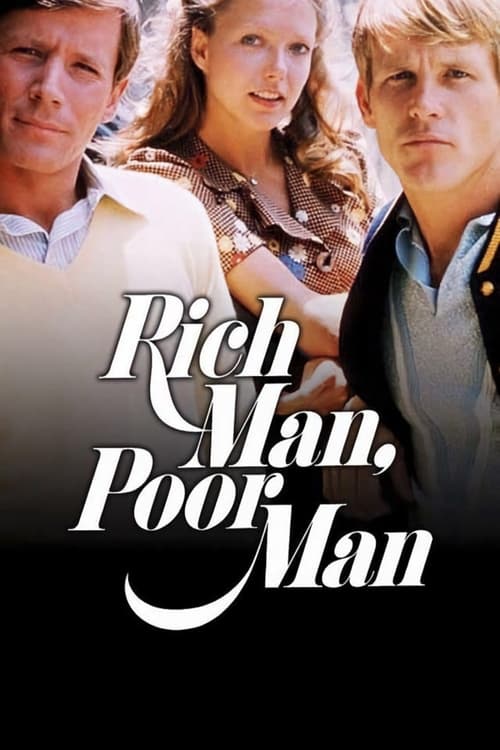
Ah, this was a revelation. Before *Dallas*, before all the long-running sagas, there was *Rich Man, Poor Man*. It proved television could tell a story that stretched across years, across generations, truly pulling you in. People tuned in every week, desperate to know what happened next to the Jordache brothers. It was a novel on the screen, and it changed the game for serialized drama.
7. Dallas
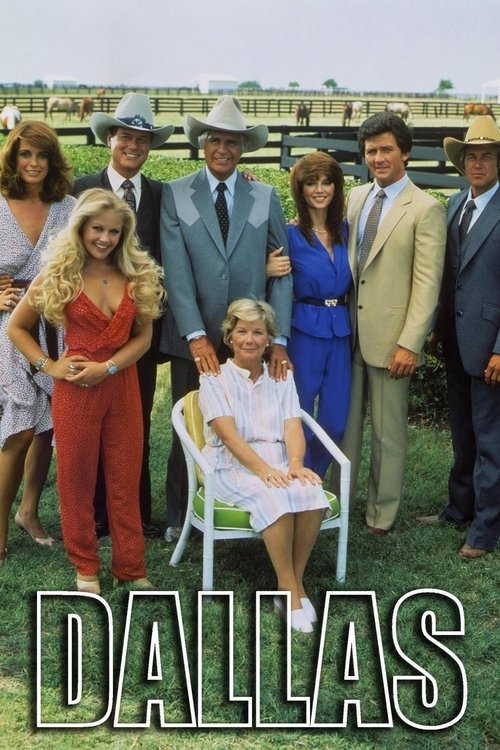
And then *Dallas* came along and utterly captivated the nation. All that oil, all that money, all those backstabbing dealings. It was a weekly spectacle of melodrama, with J.R. Ewing as the villain we loved to hate. The cliffhangers, especially that infamous shooting, kept everyone glued. It perfected the art of the prime-time soap opera, making serialized stories a household obsession.