1. Max Headroom
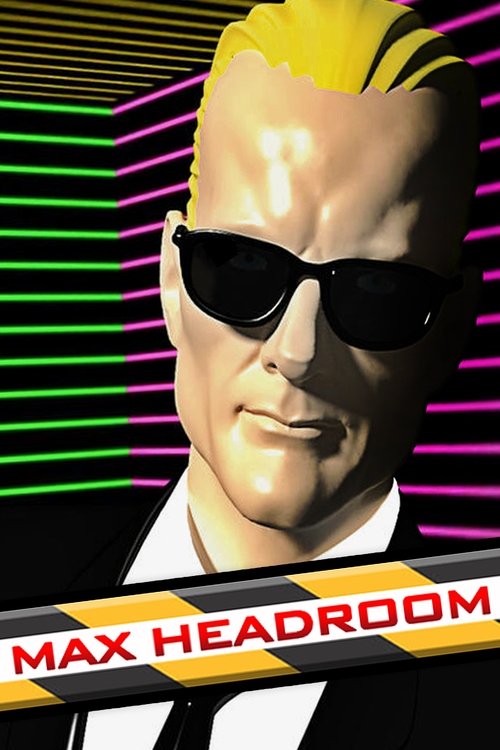
Max Headroom (1987) was peak analog cyberpunk. Glitchy, hyper-capitalist, a complete mind-melter with that stuttering CGI host. It predicted reality TV, corporate control, and information overload before the internet was even a widespread thing. That practical effect for Max? Pure genius, a rubber mask and a blue screen that still holds up as an iconic, unsettling image. It was aggressive, visually chaotic, and totally unlike anything else on network TV, a true broadcast anomaly.
2. The Prisoner
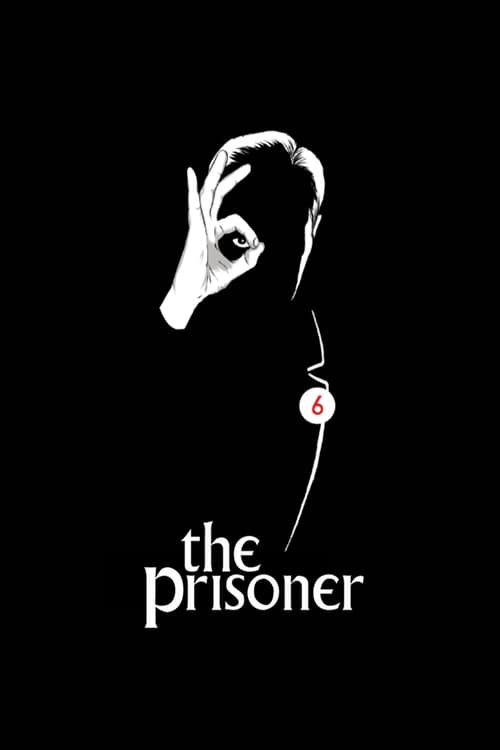
Talk about a head trip. This show was paranoid existentialism wrapped in a perfectly tailored blazer. Number Six just wanted out, but The Village kept pulling him back with its bizarre rules and constant surveillance. It was abstract, deeply symbolic, and visually striking for its era, pushing boundaries way before anyone else dared. And that giant white ball? Pure nightmare fuel, man, a symbol of control that’s still unsettling decades later. A true Cold War-era enigma.
3. V
Man, I remember the buzz around this miniseries. Lizards in human skin, eating rats, trying to take over Earth. It was sci-fi allegory cranked to eleven, a thinly veiled commentary on fascism, complete with propaganda and resistance fighters. The practical effects were surprisingly effective for TV, especially those reveal scenes. And that ending? Left you hanging for more, which we eventually got in the series, but nothing beat that first shock of the original event.

4. Blake's 7
This was the anti-Star Trek, dark and gritty, with no clear good guys. A bunch of cynical outlaws fighting a totalitarian Federation from a stolen alien spaceship. The sets were wobbly, the costumes often questionable, but the writing was sharp, cynical, and surprisingly complex. It had a real punk rock ethos – these weren't heroes, just survivors. And that ending? Still hurts, a brutal, unforgiving gut punch that defied all happy expectations.

5. Lexx
Oh man, *Lexx*. A sentient, planet-destroying spaceship that looked like a giant insect, crewed by a coward, a love slave, and a robot head. This was pure, unadulterated cult weirdness, a cosmic horror-comedy with surreal visuals and a deeply dark sense of humor. It was low-budget, high-concept, and absolutely fearless in its absurdity. Definitely not for everyone, but if it clicked, it *really* clicked, burrowing into your brain with its bizarre logic.
6. The Kids in the Hall
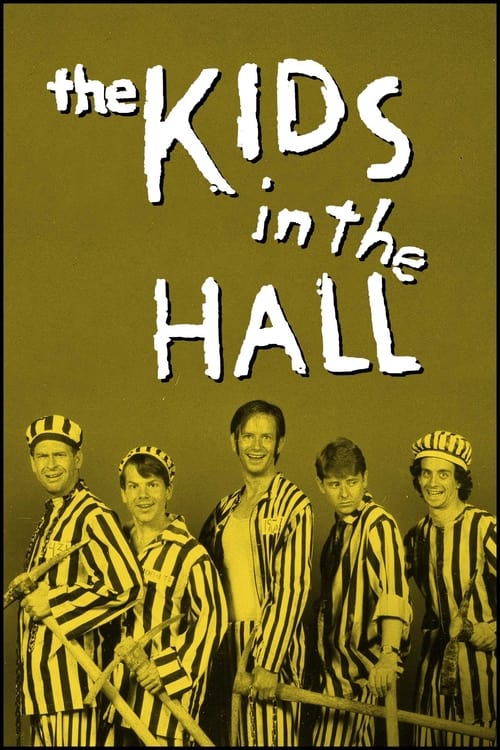
These guys were brilliant, twisting sketch comedy into something truly bizarre and subversive. Their characters were iconic – the Chicken Lady, Cabbage Head, Buddy Cole – all performed with fearless commitment. It was smart, queer, and often deeply weird, pushing boundaries long before most mainstream comedy dared. And the way they played with gender and identity? Ahead of its time, refusing to be pigeonholed. Just essential viewing for anyone into alternative comedy.
7. Millennium
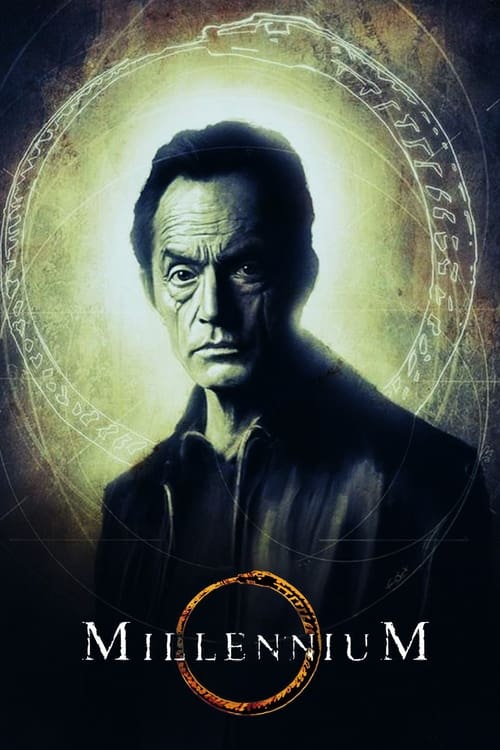
This show was *dark*, man. Frank Black seeing the evil in people's minds, tracking serial killers in the gloomy Pacific Northwest. It was X-Files' darker, more cynical cousin, diving deep into psychological horror and apocalyptic dread. The atmosphere was suffocating, the cases disturbing, and Lance Henriksen’s performance was just captivatingly grim. It really got under your skin, a true descent into darkness, exploring the bleakest corners of humanity without flinching.