
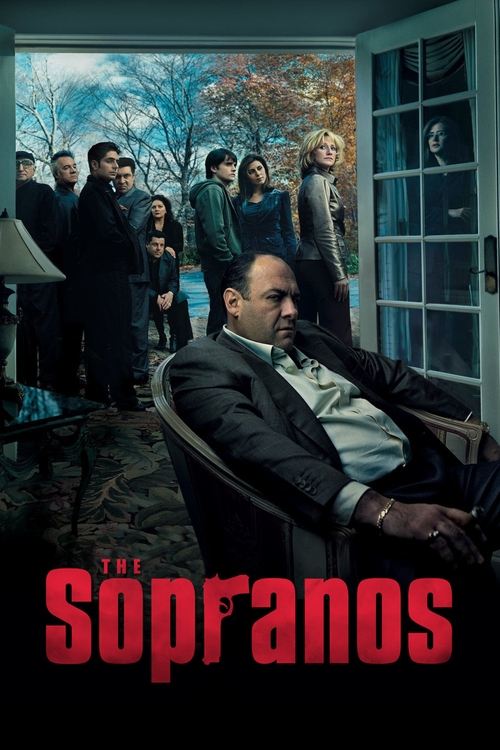
1. The Sopranos
Before Tony Soprano, TV rarely dared to explore such complex, morally ambiguous characters with this kind of depth. HBO proved that serialized storytelling, given cinematic scope and unflinching psychological realism, could rival feature films. It wasn't just a mob show; it was a character study of a man wrestling with his identity, his family, and his therapy sessions, all while running a criminal enterprise. This pushed the boundaries of what a protagonist could be and where TV could go.
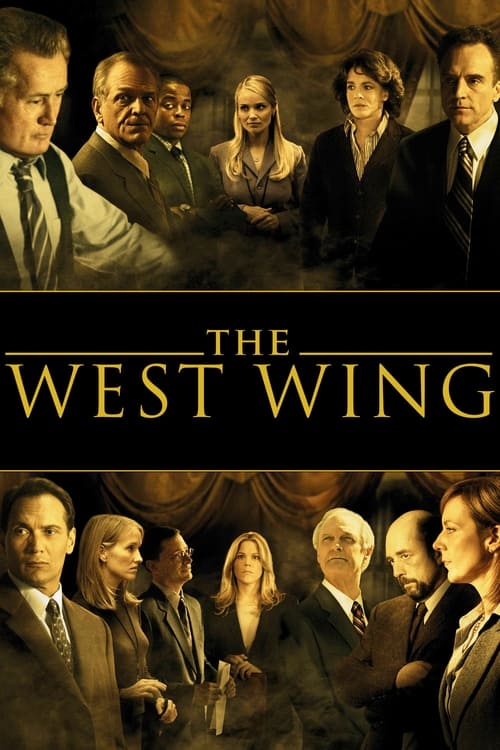
2. The West Wing
Sorkin's rapid-fire dialogue and walk-and-talks became iconic, elevating political drama to an art form. It was aspirational, yet grounded in complex issues, showing the inner workings of a White House populated by brilliant, flawed individuals. This wasn't just weekly plots; it built a world, a sense of continuing narrative that felt important, making viewers invest deeply in the idealism and constant struggles of public service. It proved smart TV could also be utterly compelling.
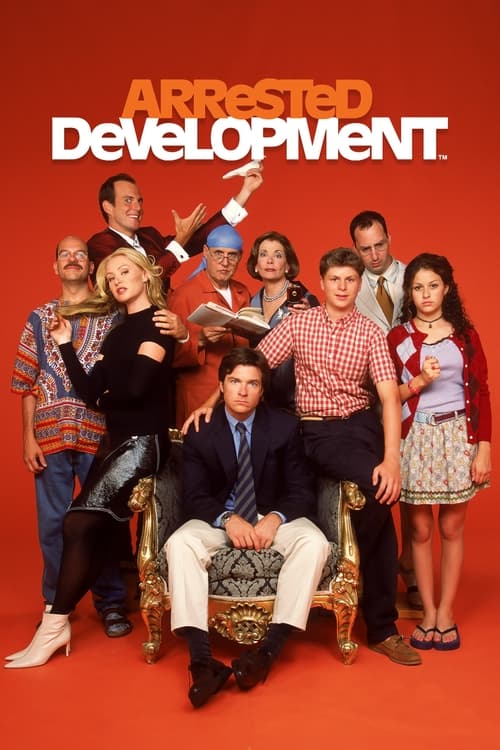
3. Arrested Development
This show was a comedic earthquake. Its mockumentary style, layered jokes, and callbacks rewarded repeat viewing, making it a cult favorite long before streaming was mainstream. It wasn't just funny; it was smart, often requiring pausing to catch every visual gag or throwaway line. The ensemble cast delivered some of TV's most dysfunctional and hilarious family dynamics, proving that serialized comedy could be as intricate and rewarding as any drama, defying traditional sitcom structures.
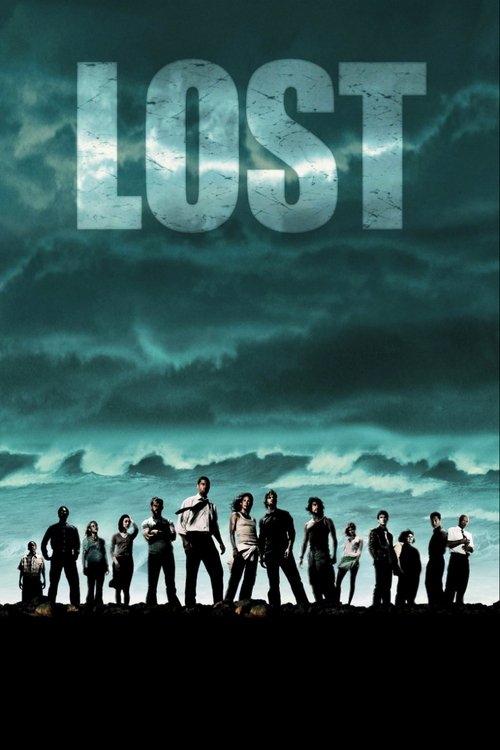
4. Lost
Lost wasn't just a show; it was a phenomenon, a serialized puzzle box that redefined appointment viewing. With its cinematic production values and a sprawling ensemble cast, it kept audiences theorizing and debating every twist and flashback. This was a masterclass in building an ongoing mystery, demanding commitment from its viewers across multiple seasons. It showed how intricate, long-form narratives could captivate a global audience, making the journey as compelling as any potential destination.
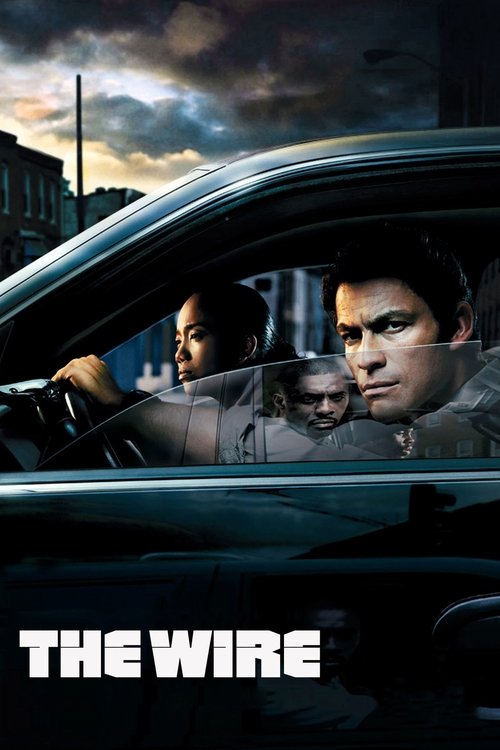
5. The Wire
The Wire wasn't just a crime drama; it was a novel for television, meticulously dissecting urban institutions with unparalleled realism. Each season peeled back another layer of Baltimore, from the drug trade to the schools, showing systemic failures through an expansive ensemble. It demanded patience, rewarding viewers with a complex, nuanced understanding of societal decay. This was television as serious social commentary, refusing easy answers and proving that dense, realistic serials could be utterly groundbreaking.
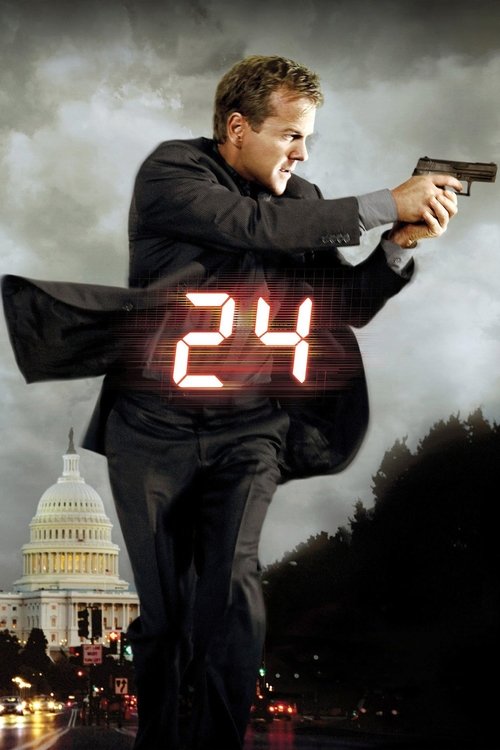
6. 24
24 exploded onto screens with a gimmick that changed everything: real-time storytelling. Each episode was one hour of a single day, making for an incredibly intense, serialized experience. It was cinematic in its execution, delivering high-stakes action and constant cliffhangers that made it impossible to turn away. This show proved that a bold structural experiment, combined with relentless pacing and a compelling hero, could redefine what a thriller could do on the small screen.
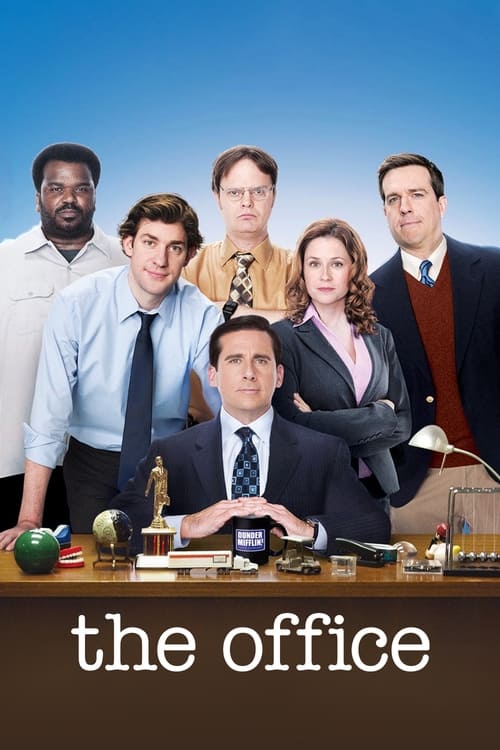
7. The Office
Taking the mockumentary format and running with it, the US Office perfected the art of awkward workplace comedy. It wasn't just about punchlines; it was about the uncomfortable silences, the knowing glances at the camera, and deeply relatable characters. The slow-burn romances and character development gave it a serialized heart, making viewers genuinely care about the Dunder Mifflin crew. It showed how a simple premise, executed with nuanced realism and character focus, could become a cultural touchstone.