

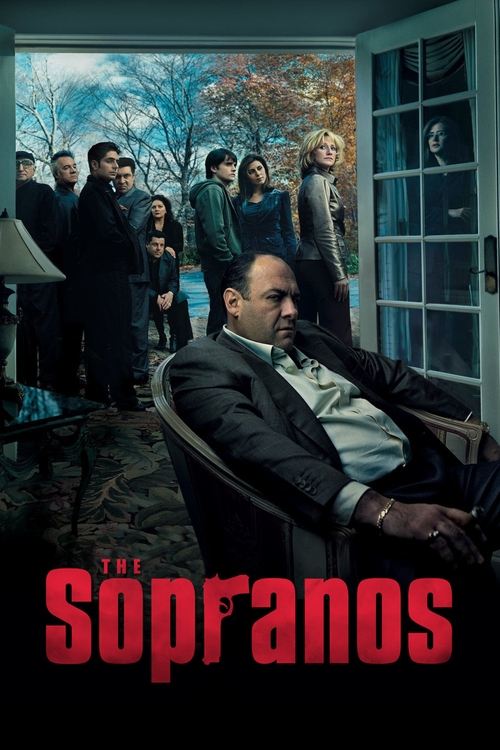
1. The Sopranos
Before Tony, TV drama was different. This show pulled you into a world of complex morality, where the lines blurred between family man and mob boss. It wasn't just violence; it was about therapy, existential dread, and the American dream gone sour. HBO took a massive swing, treating television like a long-form film, giving us characters you loved and hated, forcing you to confront uncomfortable truths, and practically inventing the prestige drama template everyone else then tried to copy.
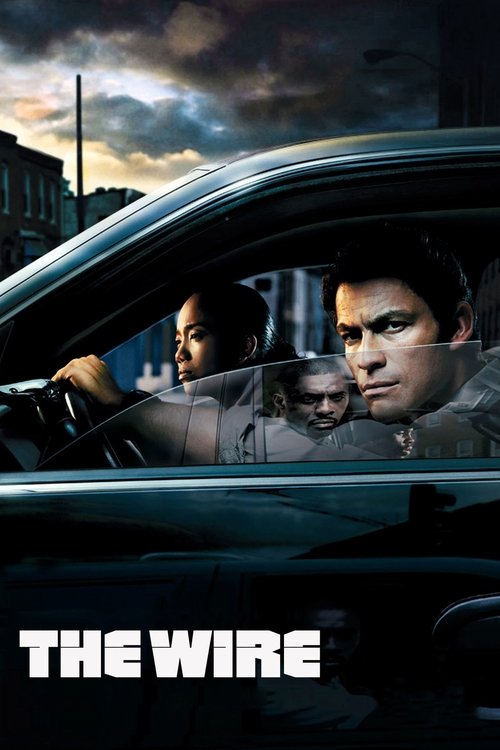
2. The Wire
Forget everything you knew about cop shows. *The Wire* was less a procedural and more a novel, meticulously detailing the interconnected failures of an entire city through its institutions – policing, schools, politics, the press. It demanded your full attention, rewarding patience with an unparalleled depth of character and systemic critique. This wasn't TV to just watch; it was TV to study, proving that episodic storytelling could achieve a literary scope previously unimaginable.

3. Six Feet Under
Who knew a show about a family running a funeral home could be so life-affirming? *Six Feet Under* bravely tackled mortality head-on, but it was the messy, beautiful lives of the Fisher family that kept you hooked. It blended dark humor with profound emotional depth, often venturing into surreal dreamscapes that redefined what a family drama could be. HBO again pushed boundaries, delivering a serialized narrative that felt deeply personal and universally resonant.
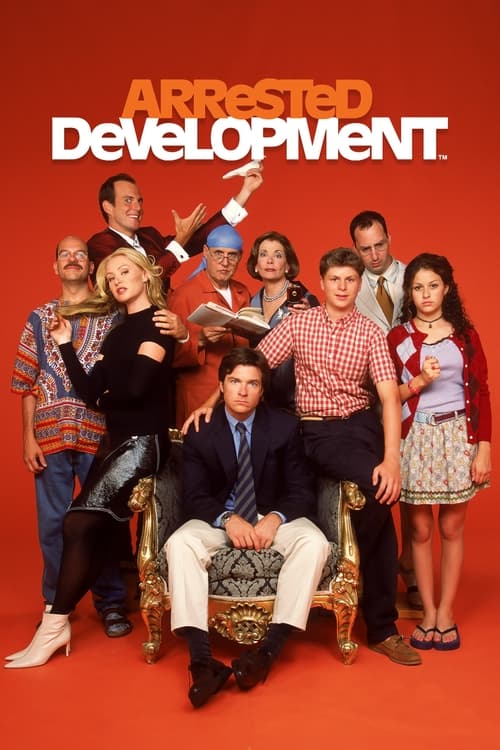
4. Arrested Development
This was a comedy that operated on a different frequency. *Arrested Development* pioneered the dense, referential joke structure, rewarding multiple viewings long before "binge-watching" was even a term. Its mockumentary style felt fresh, grounding the absurd Bluth family antics in a veneer of reality. Fox took a chance on something genuinely experimental, creating a cult classic whose layered gags still hold up, making it perfect for the nascent era of on-demand discovery.
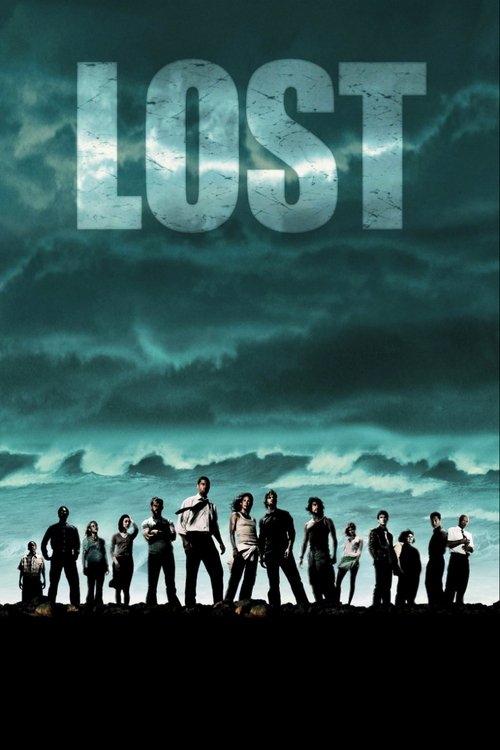
5. Lost
Remember when an entire nation would tune in, week after week, just to figure out what the hell was happening on that island? *Lost* was a masterclass in serialized mystery, blending sci-fi with character drama, all wrapped in cinematic production values. Its sprawling ensemble cast and flashback structure redefined network storytelling, proving that audiences craved complex, long-form narratives and were willing to wait for answers, driving water cooler conversations for years.
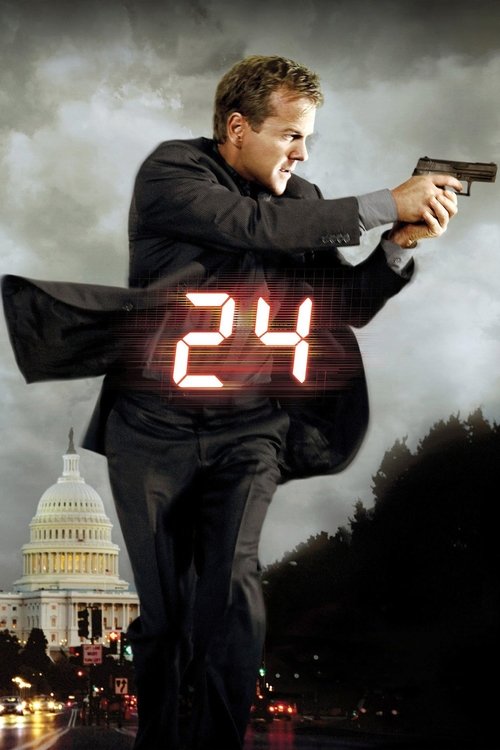
6. 24
Before *24*, nobody thought you could sustain a real-time narrative for an entire season. Jack Bauer’s relentless race against the clock was pure, unadulterated adrenaline, demanding your attention every single minute. It elevated the procedural into a serialized, high-stakes thriller, showcasing how network TV could innovate with structure. That split-screen aesthetic wasn't just a gimmick; it was a character in itself, amplifying the constant tension and propelling the action forward.
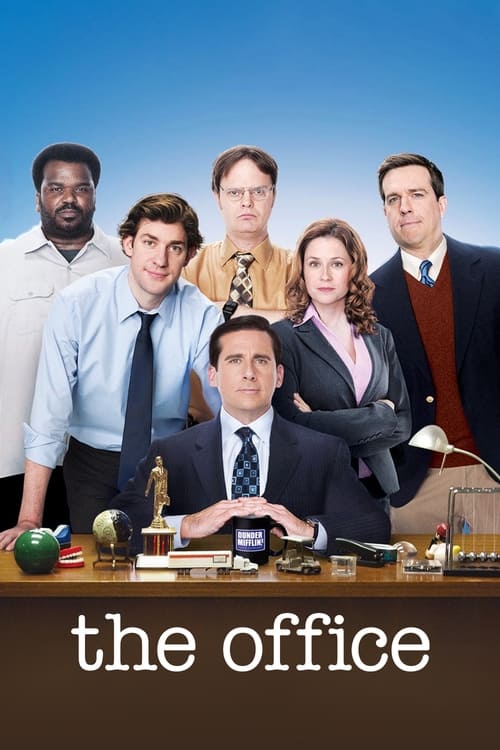
7. The Office
The American version of *The Office* took the mockumentary format and ran with it, perfecting the art of cringe comedy while building genuinely lovable characters. It showed us that a workplace sitcom could be more than just punchlines; it could deliver deep emotional arcs and relatable human awkwardness. You weren't just watching Dunder Mifflin; you felt like you were *there*, a fly on the wall, making it endlessly rewatchable and a staple for early streaming.