1. Automan
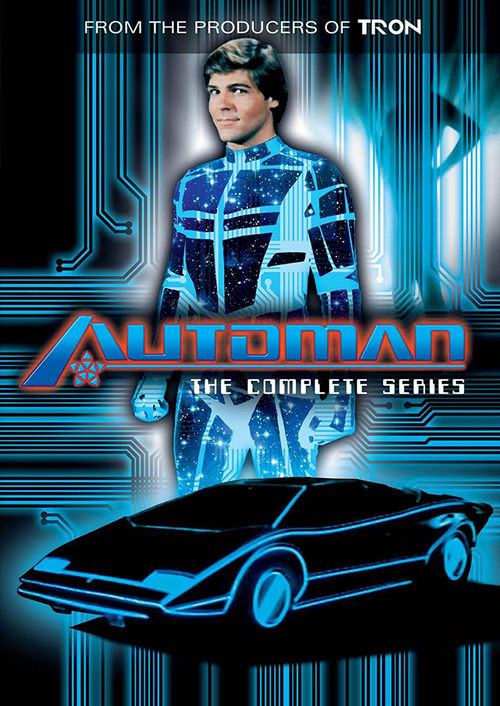
Remember when computers were just starting to flex? Automan was it, a neon-laced fantasy of a digital hero stepping into the real world. The light-cycle effects, that glowing grid car, and his polygonal sidekick Cursor – pure 80s analog wizardry trying to look digital. It was a glitchy, glorious mess of practical effects pushing boundaries, a prime example of early tech-sploitation trying to sell us on the future. And it kinda worked, even if it only lasted one season.
2. V
Before V was a full series, the 1983 miniseries was a gut punch. Those Visitors weren't just invaders; they were charismatic fascists in human skin, literally. The reveal of their reptilian faces, peeling off human skin like cheap wallpaper, was a prime-time shocker. It was big, bold, and unapologetically allegorical, mixing sci-fi terror with genuine political unease. Plus, those practical effects for the alien reveals? Still gnarly. This was event television that stuck with you.
3. Captain Power and the Soldiers of the Future
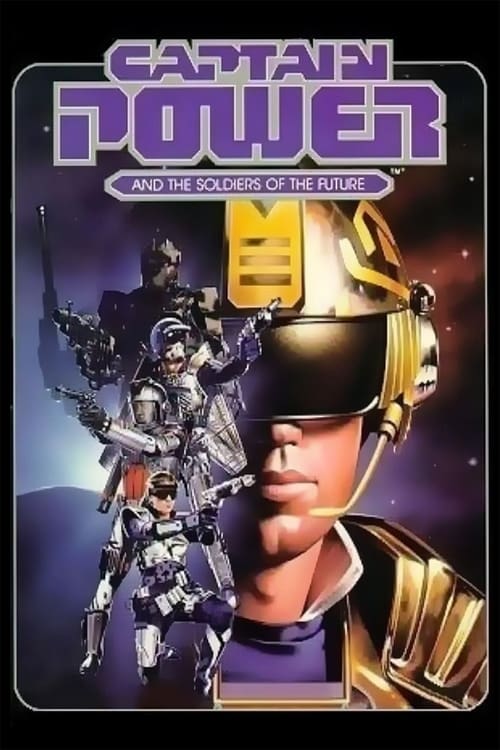
Captain Power was a fever dream of late 80s sci-fi dystopia, a grim future where machines ruled. But what really made it sing, or scream, was its audacious blend of live-action and early CGI. Those robotic Bio-Dreads and their flying ships were rendered with a clunky, blocky aesthetic that felt genuinely alien and threatening. And the interactive toy line? Wild. This wasn't just a show; it was a multimedia experiment, pushing tech and narrative boundaries, even if it felt a little clunky doing it.

4. Wiseguy
Wiseguy wasn't your average procedural. It was a deep dive into the underworld, with Vinnie Terranova going undercover for entire arcs, not just a week. This show had serialized storytelling down pat before it was cool, letting characters breathe and plots simmer. It was gritty, stylish, and packed with incredible performances, especially from the villains. The whole thing felt more like a novel playing out on your screen, a dark, complex tapestry of crime and consequence. Real adult television.

5. Tales from the Darkside
George Romero’s Tales from the Darkside was the perfect late-night creep-out. It wasn't always polished, but that was its charm. Every week, a new slice of supernatural dread, often with a twist ending that made you question everything. The practical effects were cheap but effective, giving it that distinct, eerie analog vibe. It felt like a direct descendant of those old pulp horror comics, a syndicated playground for strange ideas and unsettling imagery, perfect for chewing up that cathode ray.
6. War of the Worlds
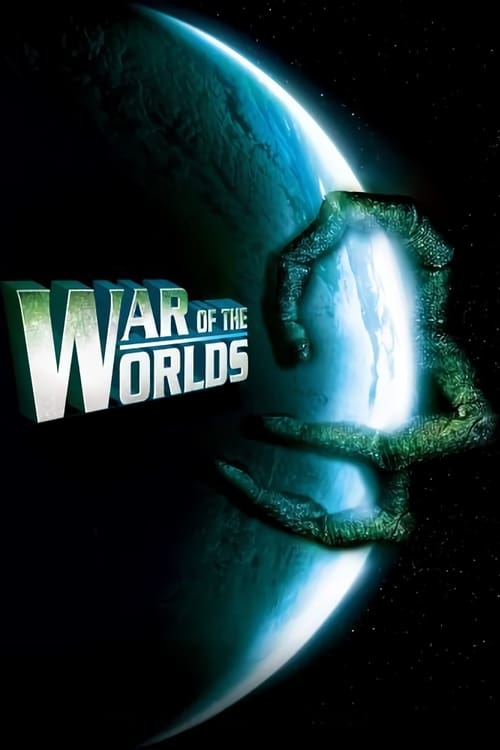
Forget the Tom Cruise movie; the 1988 War of the Worlds series was a direct, grimy sequel to the 1953 film. The aliens weren't just back; they were body-snatching, mutating, and generally making a mess. This show leaned hard into practical effects and body horror, with aliens shedding human skin and melting into goo. It was dark, often violent, and embraced a kind of maximalist sci-fi dread that felt uniquely 80s, a syndicated monster-of-the-week with an apocalyptic edge.
7. Profit
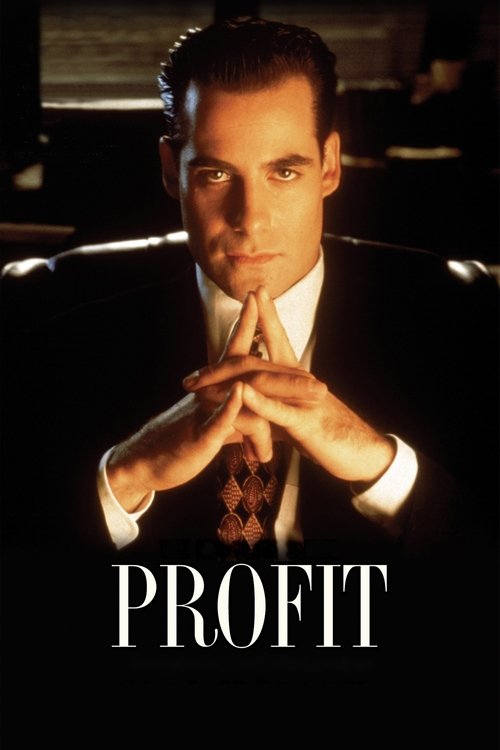
Profit was a lightning bolt in the mid-90s, a show so dark and cynical it felt like it shouldn't have been on network TV. Jim Profit was the ultimate corporate anti-hero, a Machiavellian genius who'd burn down the world for a promotion, speaking directly to the camera with chilling glee. It was sleek, stylish, and utterly ruthless, a proto-prestige drama about the horrors of capitalism. Too ahead of its time, maybe, but its biting satire and aggressive nihilism were pure cult gold.