


#1
Timecrimes
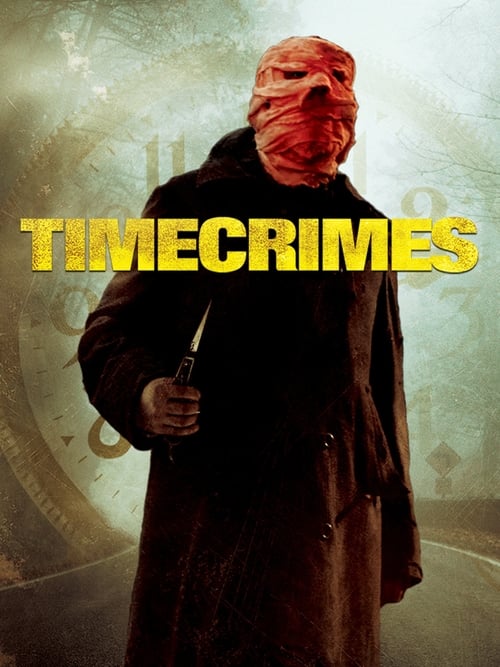
Nacho Vigalondo built the tightest closed causal loop in modern cinema, and I will die on that hill. Track Hector’s bandages across the three distinct iterations. Hector 1 sees the girl through binoculars, unaware he is already reacting to Hector 2's panic. Hector 3 orchestrates the car crash to preserve the chain. The scissors serve as a direct ontological anchor. Miss one wardrobe change and your notebook graph collapses. Every frame accounts for spatial continuity.
3 critics · 4 lists →
#2
Resolution
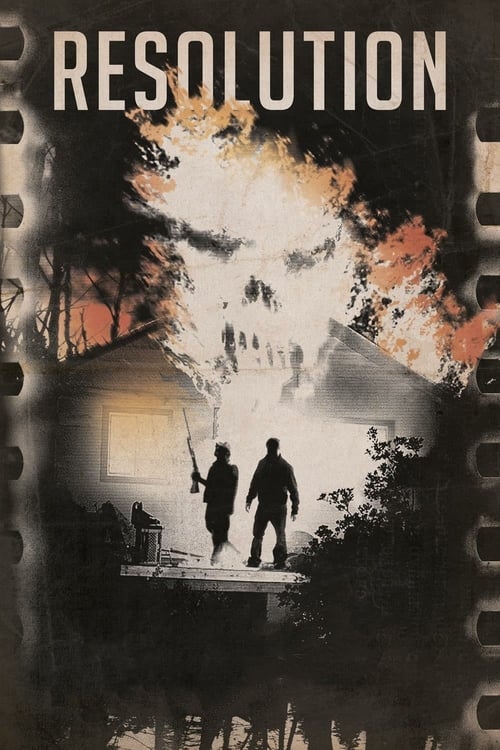
Justin Benson and Aaron Moorhead quietly engineered an entire cinematic universe starting right here in this cabin. The story operates on two axes: Michael detoxing Chris, and an omnipresent fourth-dimensional observer demanding narrative resolution. Notice the media formats: 8mm film, Webcams, VHS tapes. Each medium represents a different temporal capture point from the entity's surveillance archive. When you cross-reference the cabin coordinates with their later film The Endless, the timeline overlaps become undeniable. Watch the background birds carefully.
3 critics · 5 lists →
#3
Phase IV
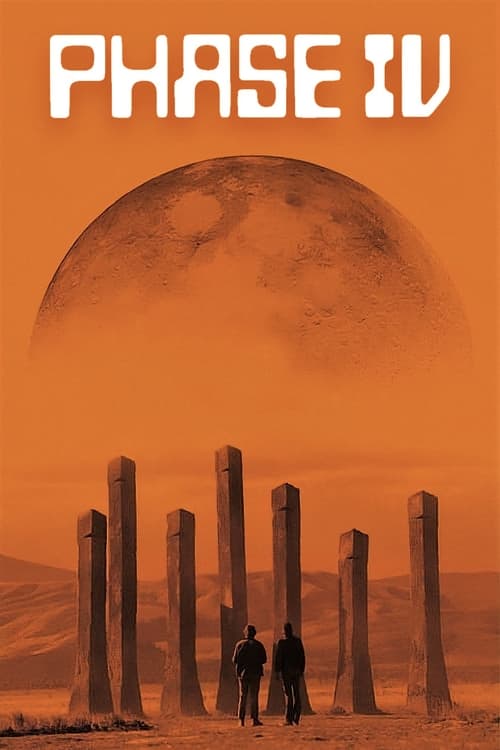
Saul Bass presents non-linear evolutionary acceleration disguised as pest control. You have to map the ant colony's strategic development alongside the cosmic eclipse kicking off the prologue. Lesko and Hubbs assume they run the desert experiment, but chronological cues prove the hive controls the laboratory's operational tempo from day three. Look at the yellow maze sequence: the ant casualties are tactical expenditures for data gathering. Bass’s restored montage ending permanently alters how human history integrates into the swarm's master timeline.
2 critics · 3 lists →
#4
Ikarie XB 1
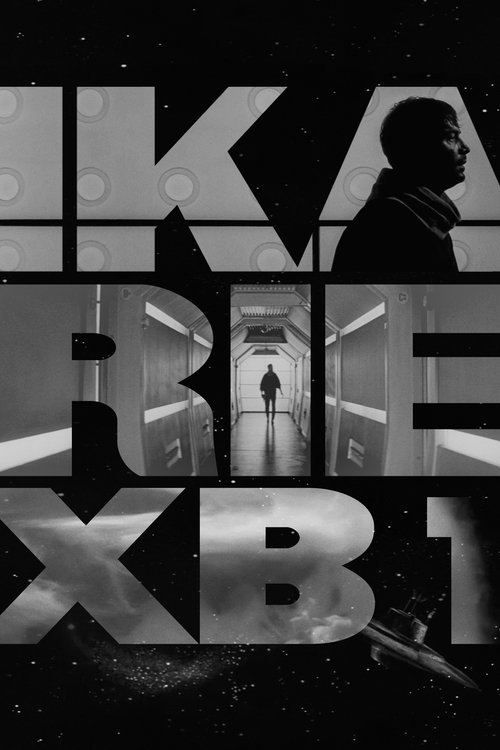
Jindřich Polák handled relativistic time dilation decades before Hollywood made it a blockbuster staple. Charting the voyage of the Ikarie toward Alpha Centauri requires two separate watches: shipboard calendar days and elapsed Earth years. The crew ages normally while generations perish behind them, causing severe psychological decay aboard the vessel. Pay attention to the derelict twentieth-century ship they discover mid-flight. That dead wreck fixes their coordinates in universal history and sets up the massive geographic twist at the end.
#5
2001: A Space Odyssey
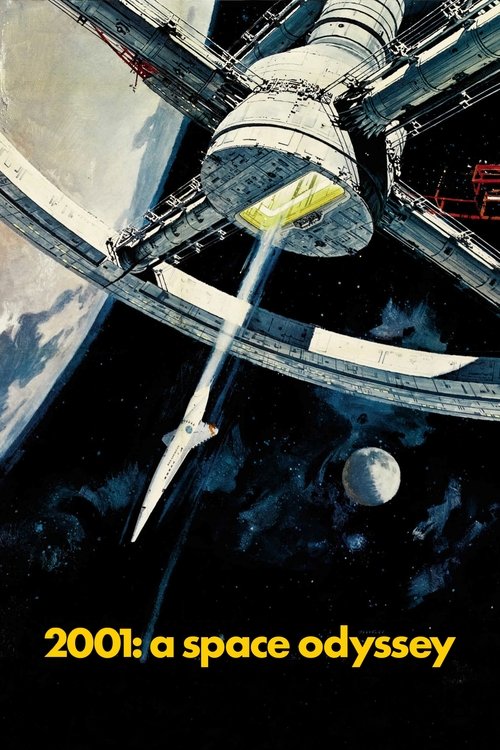
Kubrick's narrative cuts span four million years, anchored entirely by the Monolith's recurring presence. The crucial section for your notebook is the Victorian neoclassical bedroom sequence following the Stargate corridor. Bowman observes his own physical decay along an accelerated temporal axis. Watch the precise cuts: pod exterior, standing by the table, eating dinner, dying in bed. Each cut shifts Bowman’s consciousness forward into a future vessel until the Monolith triggers his final rebirth as the Star Child.
2 critics · 29 lists →
#6

Aporia
Jared Moshé introduces a terrifying weapon: a makeshift machine that fires a subatomic particle into the past to kill a specific target. Sophie uses it to undo her husband Mal's fatal hit-and-run, but the butterfly ripples immediately distort their reality. Keep a whiteboard handy for Jabir's alterations. Every trigger pull reconfigures their social circle, child's personality, and medical histories while leaving the operators burdened with dual memories. It provides an airtight, agonizing examination of chronological debt.
#7
Infinity Pool
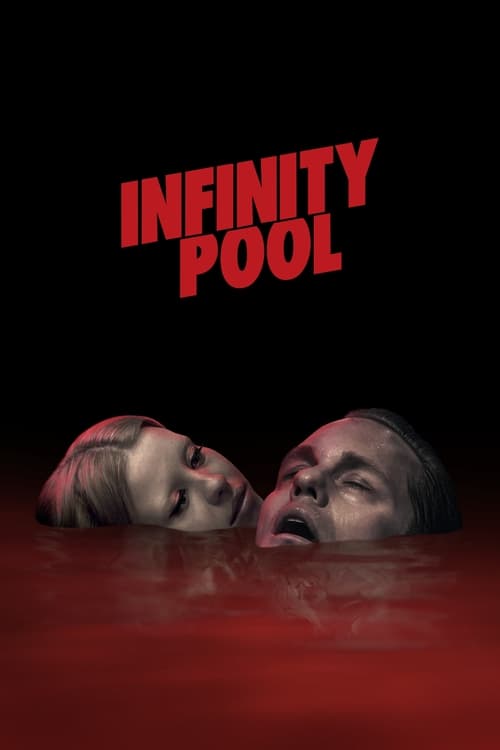
Brandon Cronenberg turns identity continuity into an existential shell game. In the fictional resort state of Li Tolqa, wealthy tourists pay to manufacture clones that take their death sentences. The film forces you to track whether James Foster remains the original organism after his first execution. Cronenberg deliberately obscures the cloning chamber mechanics, making the psychological handoff between copies ambiguous. By the third ritual execution, you are charting the psychological degradation of an echo that forgot its source.
0 / 7