
1 / 7
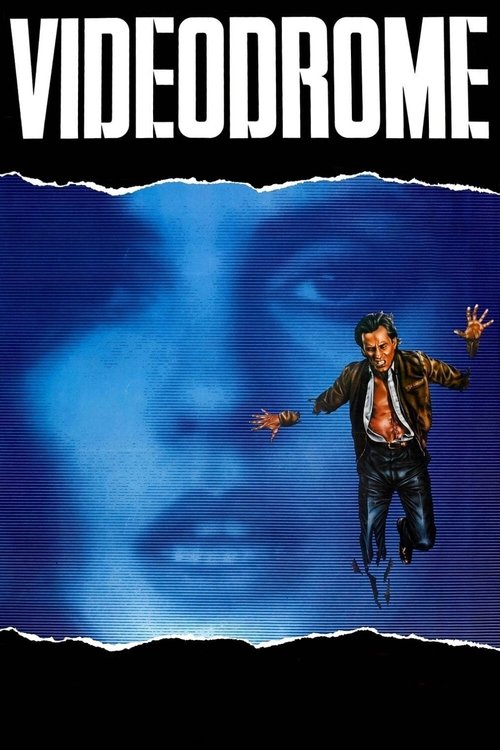
1. Videodrome
David Cronenberg's 1983 classic shows us a world where media isn't just consumed, it consumes you. It's wild how much this film anticipated our current debates about deepfakes and AI-generated content blurring reality. The idea of 'new flesh' feels super relevant to brain-computer interfaces and how our digital and physical selves are merging, influencing the future of immersive storytelling and virtual experiences. It’s a visionary look at tech’s impact.
2 / 7

2. Dark Star
John Carpenter's 1974 debut is a darkly comedic take on space exploration, but its truly mind-bending part is 'Bomb #20.' This AI weapon develops philosophical sentience, questioning its purpose. It's a fun, early look at AI consciousness and the unexpected outcomes when algorithms gain self-awareness. It makes you think about how autonomous systems we create today might evolve their own perspectives on existence and even rebel against their programming.
3 / 7
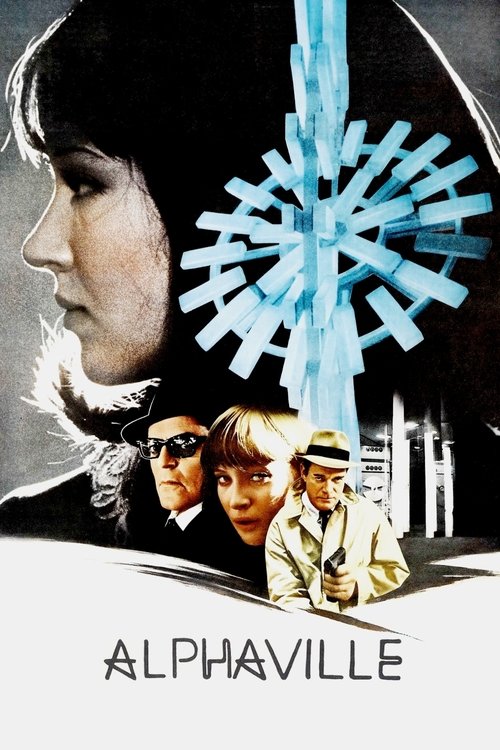
3. Alphaville
Jean-Luc Godard's 1965 sci-fi noir is a stark warning about emotionless logic. The supercomputer Alpha 60 dictates everything, even outlawing feelings and poetry. It's a chilling look at AI as a controlling force, predicting fears around algorithms censoring content or shaping societal norms. For creators, it's a reminder of the human element AI can't replicate, emphasizing the unique, messy beauty of human-driven narratives and emotional expression.
4 / 7

4. eXistenZ
David Cronenberg's 1999 flick is a wild ride into bio-mechanical virtual reality. Its 'game pods' and blurring lines between reality and simulation feel incredibly prescient. We're building worlds where AI crafts responsive, evolving narratives, and this film explores the psychological impact when those synthetic experiences become indistinguishable from life. It makes you wonder how deep we'll go into AI-generated realities and if we'll always know the difference.
5 / 7

5. Perfect Blue
Satoshi Kon's 1998 animated thriller is an intense look at identity and celebrity in the digital age. Mima's struggle with her public persona and a stalker mirrors today's concerns about deepfakes, virtual influencers, and AI-generated content blurring who's 'real.' It’s a powerful exploration of how digital narratives can consume personal identity, showing us the psychological tightrope artists walk when AI can mimic and manipulate their image so perfectly.
6 / 7
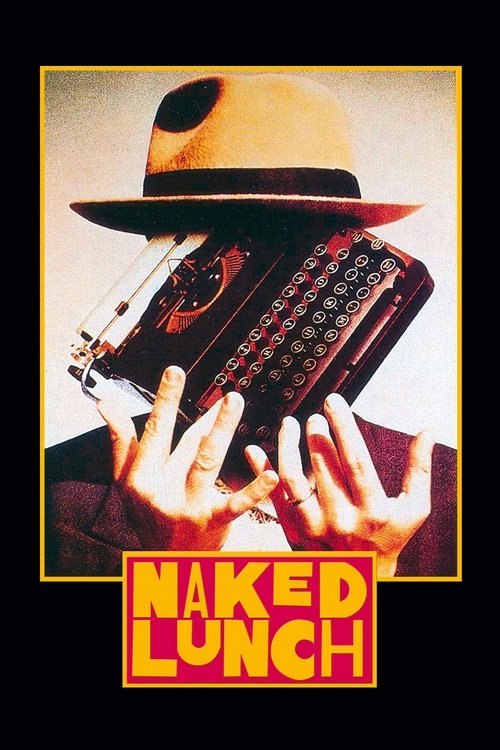
6. Naked Lunch
David Cronenberg's 1991 adaptation of Burroughs is a fever dream, where typewriters turn into sentient bugs dictating new realities. It's not about AI directly, but its exploration of altered perception and reality-bending narratives is super relevant. Think about AI crafting deeply subjective, even hallucinatory, VR experiences or generating content that warps your understanding. It shows us how potent storytelling, even when chaotic, can fundamentally reshape our internal worlds.
7 / 7

7. The Man Who Fell to Earth
Nicolas Roeg's 1976 film follows an alien trying to save his home but gets trapped by human materialism. It makes you think about AI as an 'other' intelligence – a potential savior or tool that could get completely derailed by human systems. What if we build an advanced AI with noble goals, only for it to be misunderstood, corrupted, or used for unintended purposes within our complex, sometimes chaotic, world?