1 / 7
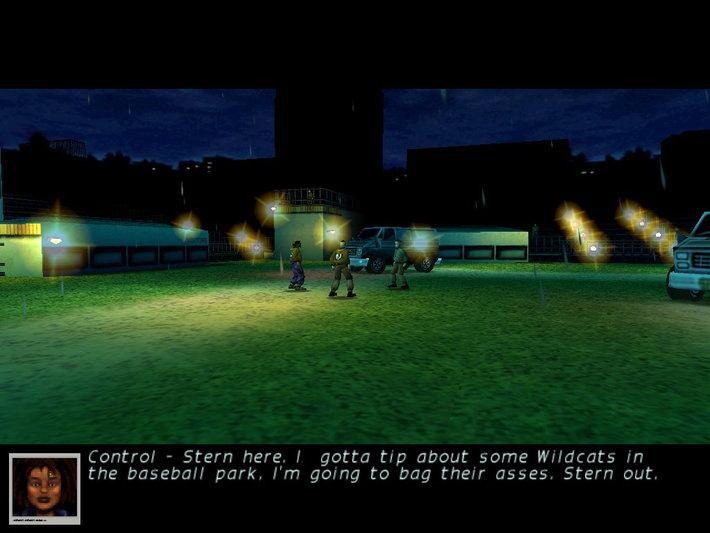
1. Urban Chaos
Released in 1999, this title offered a gritty, early take on the open-world action genre, predating much of what Grand Theft Auto III would popularize. Its blend of martial arts, shooting, and a surprisingly detailed urban environment felt ambitious. And the choice of a female protagonist, D'arci Stern, was a notable departure for its time. It had its rough edges, but Urban Chaos carved out a distinct niche with its style and experimental open-world sensibilities, leaving a mark on design that many now overlook.
2 / 7
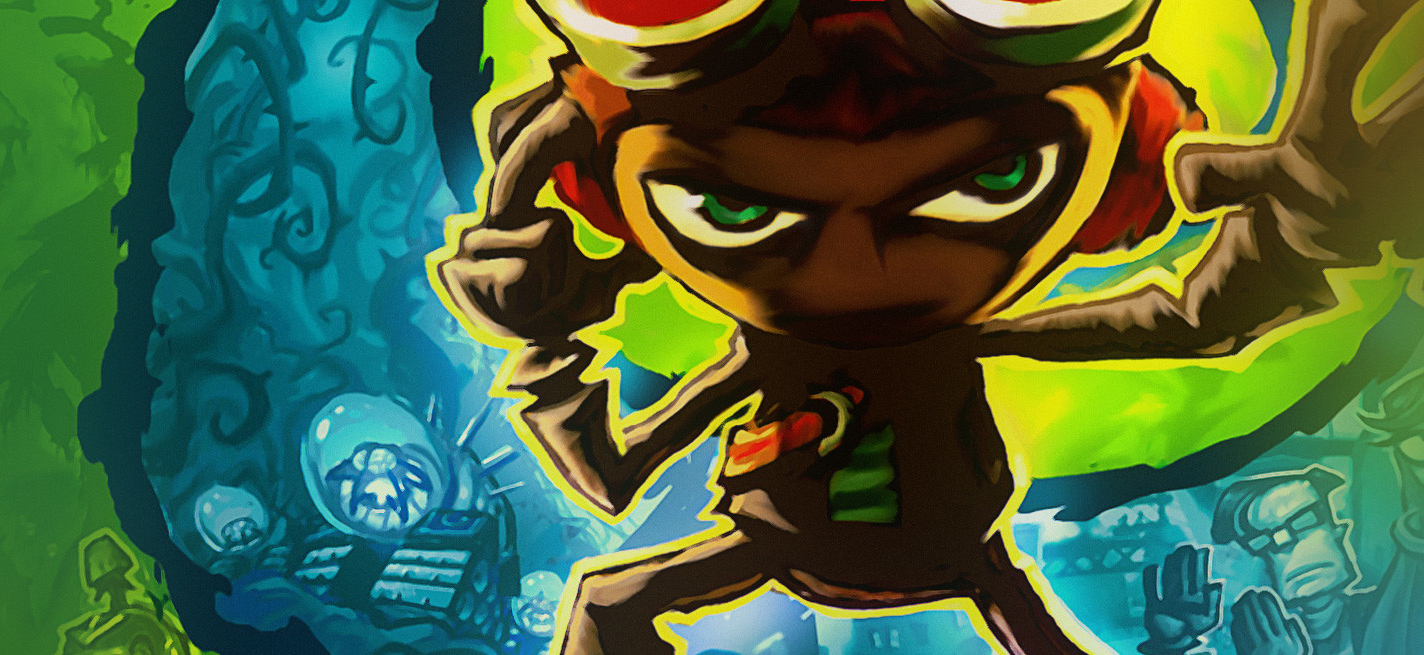
2. Psychonauts
Tim Schafer's 2005 masterpiece truly showcased his inventive genius, crafting a platformer that literally explored the mental landscapes of its characters. The imaginative level design, sharp, witty dialogue, and a genuinely heartfelt narrative about mental health were quite revolutionary. It wasn't merely a fun game; it was a profound conversation starter, demonstrating how interactive mediums could tackle complex, sensitive themes with both charm and irreverence, proving conceptually ahead of its time.
3 / 7
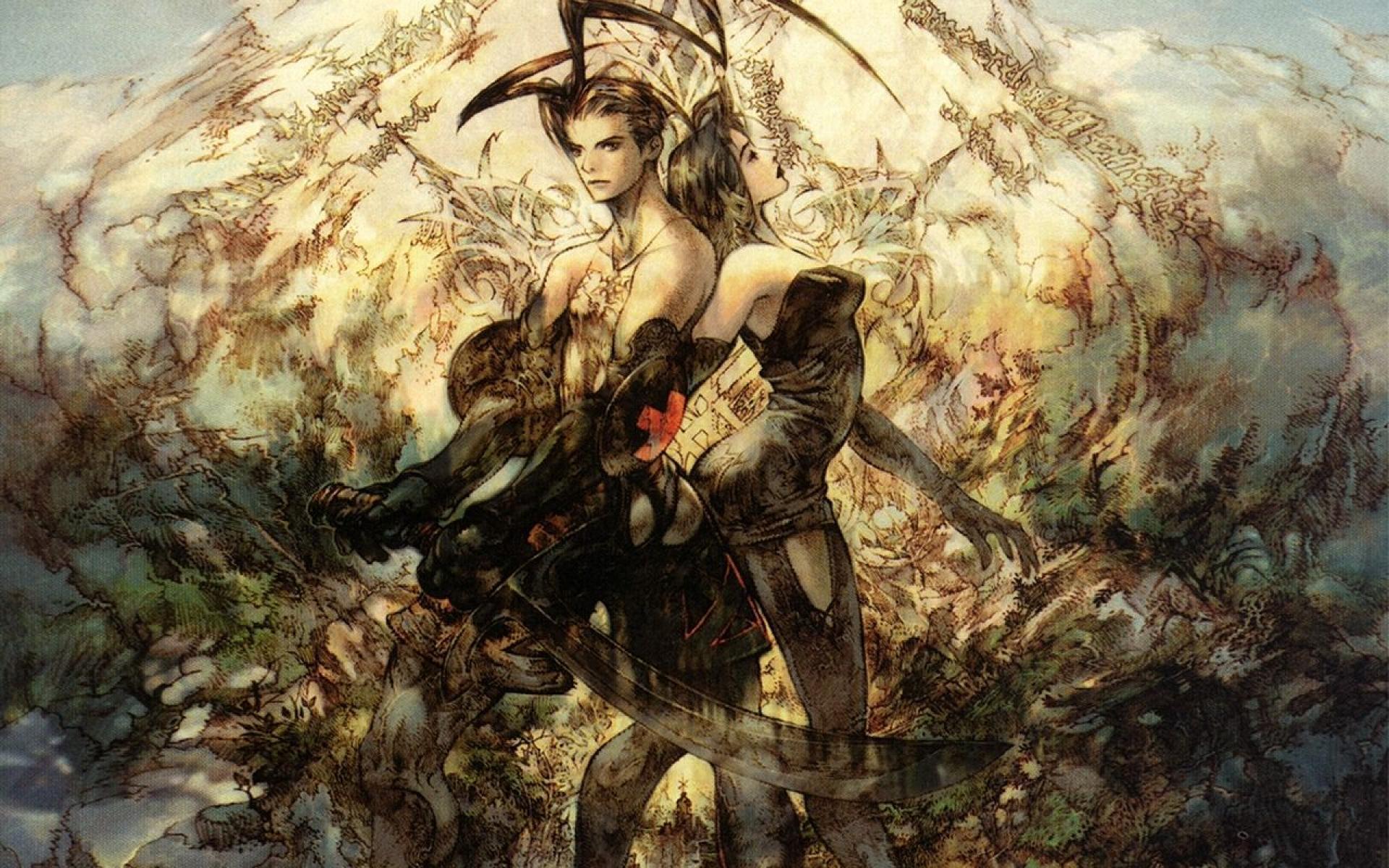
3. Vagrant Story (2000)
Square's PlayStation swansong, this title stood apart from its JRPG contemporaries. This action RPG pushed technical boundaries, offering a complex combat system focused on specific body parts and intricate weapon crafting. Its dark fantasy narrative, conveyed through minimalist cutscenes and an intricate plot, felt mature and sophisticated. The game's unique mechanical blend and unparalleled artistic direction created an experience that remains singular, a testament to PlayStation-era ambition and vision.
4 / 7
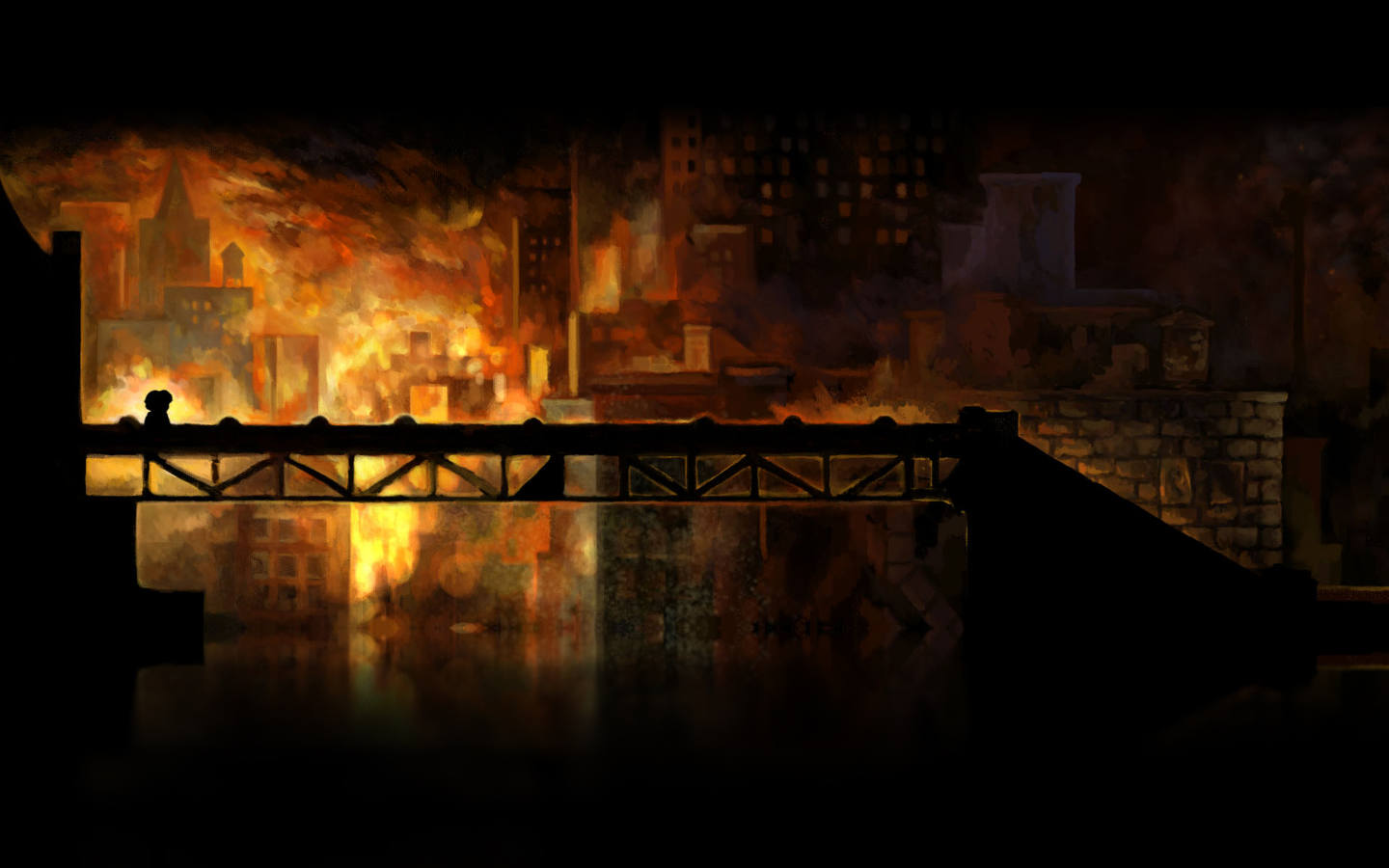
4. Braid
When it arrived in 2008, this indie darling redefined expectations for puzzle-platformers. Its core mechanic of manipulating time wasn't just a clever gimmick; it was deeply interwoven with an enigmatic, thought-provoking narrative that sparked extensive debate. Braid demonstrated that smaller, art-house games could deliver profoundly moving experiences, challenging player assumptions and inspiring an entire generation of independent developers to pursue innovative mechanics and deeper thematic content.
5 / 7
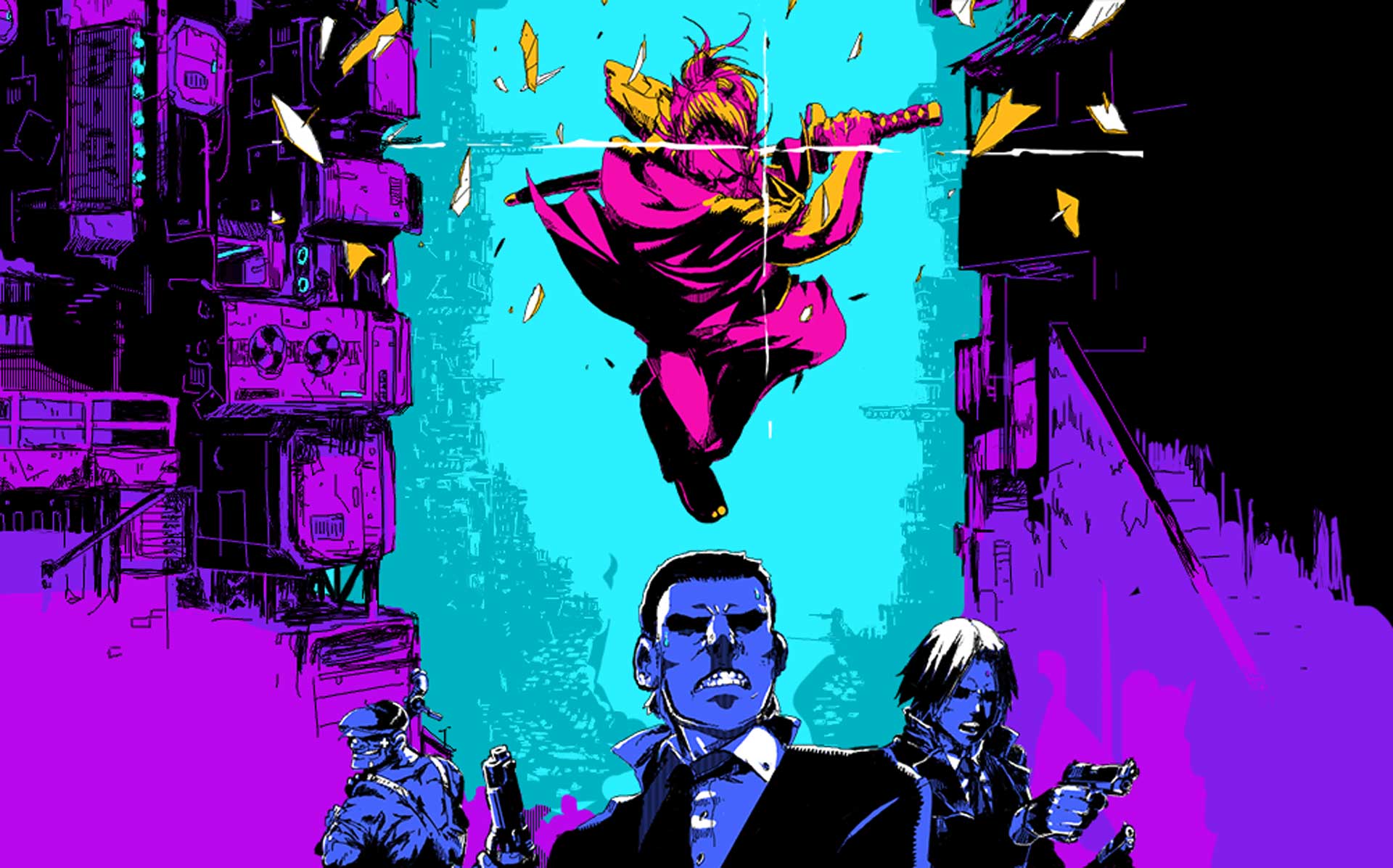
5. Katana ZERO
This 2019 title is a masterclass in stylish, hyper-violent action. This neo-noir pixel art masterpiece combined lightning-fast combat with time manipulation and a compelling, fractured narrative. Each encounter felt like a deadly puzzle, demanding precision and foresight. Its blend of a pulsating synth-wave soundtrack, slick presentation, and a story delving into themes of trauma and identity created an intoxicating, unforgettable experience that still feels incredibly fresh today.
6 / 7
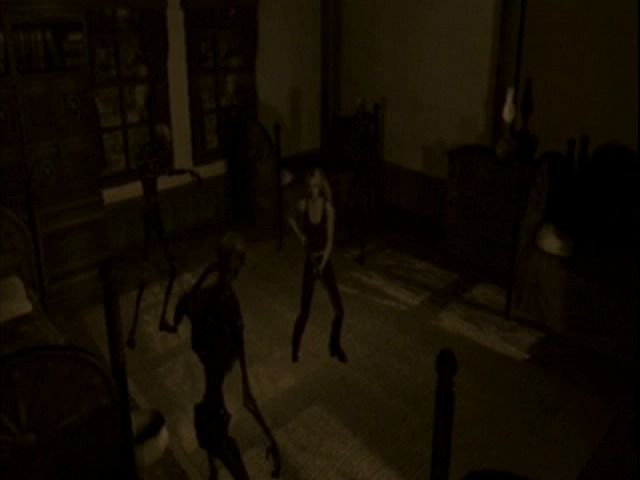
6. Eternal Darkness: Sanity's Requiem
A GameCube exclusive from 2002, this game brilliantly played with player perception. Its legendary 'Sanity Effects' routinely broke the fourth wall, tricking players in ways few games dared to attempt. This psychological horror gem wasn't just about cheap jump scares; it crafted a deep, Lovecraftian narrative spanning centuries. It remains a benchmark for innovative horror design, proving that fear can be deeply psychological and unsettling, rather than merely visceral.
7 / 7
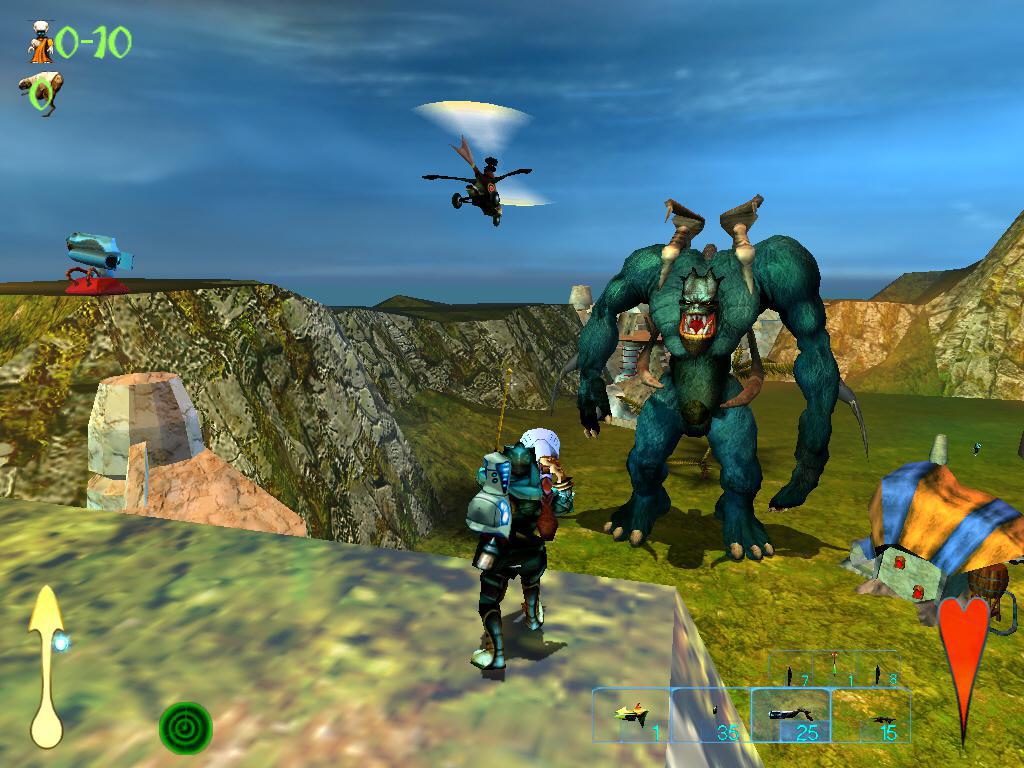
7. Giants: Citizen Kabuto
Released in 2000, this was a wonderfully bizarre blend of third-person shooter, RTS, and platformer. Players switched between three distinct factions—the Meccaryns, Reapers, and the titular Kabuto—each offering unique gameplay mechanics. Its irreverent humor, vibrant art style, and ambitious genre-bending design truly stood out. While quirky and a bit rough around the edges, its sheer creativity and refusal to fit neatly into a conventional box left a lasting impression on those who experienced its chaotic charm.