1. Studio One
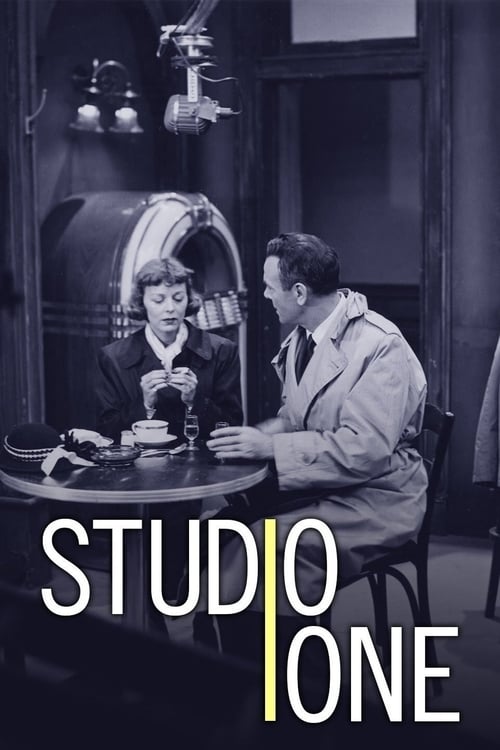
Ah, Studio One. Before videotape, before color, before any fancy tricks. This was live, raw theater beamed into your living room. The actors, sweating under hot lights, performing high-stakes dramas in real-time, often without a net. You saw the minimal sets, the dramatic shadows, the sheer ambition in stark black and white. It was television finding its footing, showcasing powerful stories and proving this new medium could truly grip an audience. A real cultural moment, often preserved in scratchy, haunting kinescopes.

2. Men Into Space
Right on the cusp of the space race, this show was a marvel of its time. General McCauley, played by William Lundigan, leading the charge into the great unknown. They tried to make it look real, you know? With the miniature work and the science-fiction notions based on actual rocket designs. It was hopeful, a bit earnest, and certainly captured the excitement of what was just around the corner, all in crisp black and white. A true pioneering spirit in television.

3. Danger Man
Now, before James Bond was a household name, there was John Drake. Patrick McGoohan, with that intense stare of his, played a secret agent who mostly used his brains, not gadgets. The early half-hour episodes were tight, efficient little thrillers. No grand explosions, just clever plotting and a man who could talk his way out of anything. It was understated spycraft, showing you what a truly competent agent could achieve, even on a television budget. Sharp and to the point.
4. The Eleventh Hour
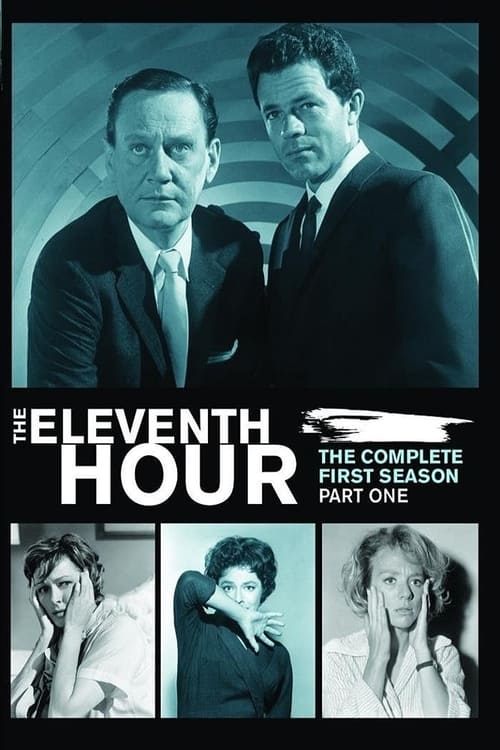
This one dug deep, didn't it? Starring Wendell Corey and Jack Ging, it wasn't your typical doctor show. This was about psychiatry, the mind, and the real human problems people faced. They tackled some pretty heavy stuff for the early sixties, showing therapy and mental health issues with a seriousness rarely seen. It tried to understand what made people tick, rather than just patching them up. An earnest attempt at a serialized drama with a purpose, quite ahead of its time.
5. The Saint
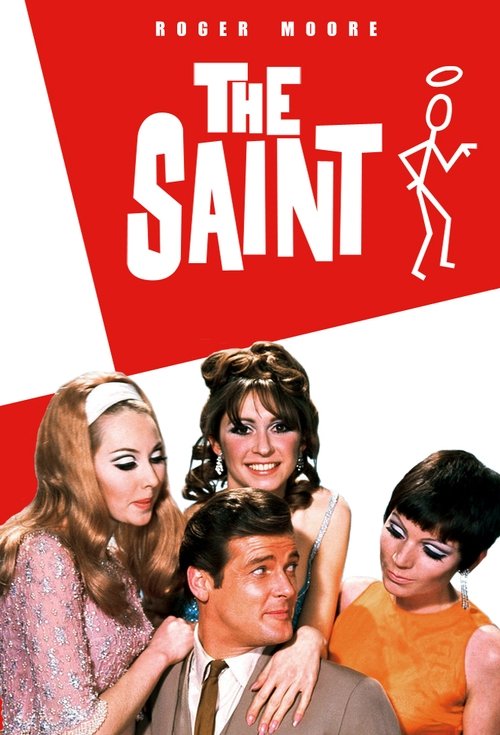
And then there's Roger Moore as Simon Templar. Smooth, charming, and always with a twinkle in his eye. He was a gentleman adventurer, a sort of modern-day Robin Hood, always on the side of justice and often tangling with the less savory types. The early black-and-white episodes really established his charisma. It was pure escapism, a bit of fantasy travel and derring-do from the comfort of your armchair. He made danger look positively elegant, even when facing down villains.
6. Police Story
This wasn't your father's police show. Joseph Wambaugh, a former cop, brought a grittiness and realism that was groundbreaking. It wasn't about car chases every week; it was about the daily grind, the moral ambiguities, and the psychological toll on the officers. Each episode felt like a mini-movie, often focusing on different cops. It showed the human side of the badge, warts and all, making you feel the weight of their choices. A true game-changer for the procedural.
7. Kolchak: The Night Stalker
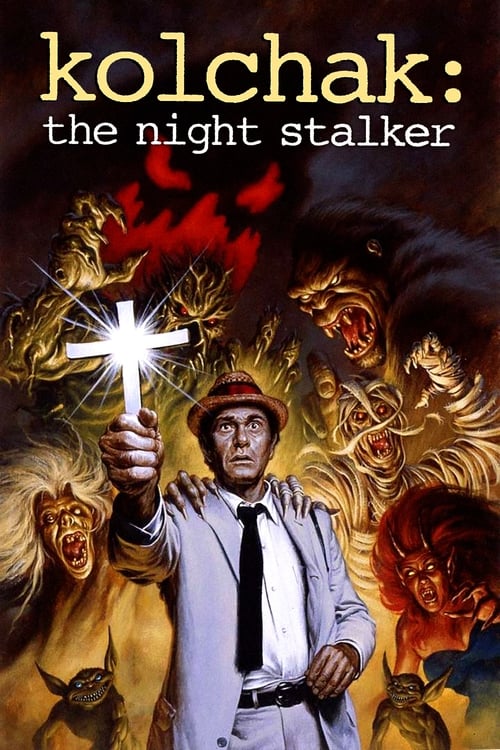
What a character! Darren McGavin as Carl Kolchak, a rumpled reporter chasing down vampires, werewolves, and all sorts of supernatural nasties. He was the ultimate underdog, always battling bureaucracy as much as the monsters. The show had a fantastic blend of horror, mystery, and a dark sense of humor. It made the unbelievable feel strangely plausible, with Kolchak's cynical narration guiding you through the eerie, shadowy world he inhabited. A cult classic, for good reason.