
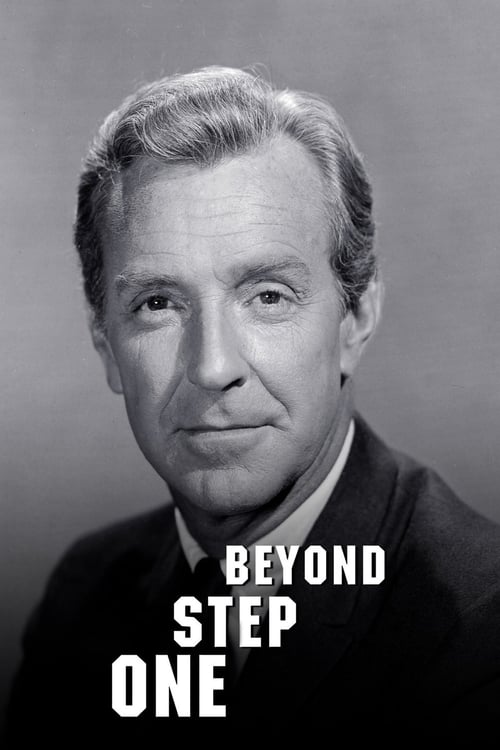
1. One Step Beyond
You know, before Rod Serling ever stepped into 'The Twilight Zone', John Newland was already giving us goosebumps with 'One Step Beyond'. This was a marvelous little program, always in stark black-and-white, presenting 'true' accounts of the supernatural. Newland’s earnest delivery, those unadorned sets, and the slow, deliberate pace made you truly lean into the screen. It felt like a serious inquiry, even when the stories were utterly outlandish. A genuine precursor to modern suspense.
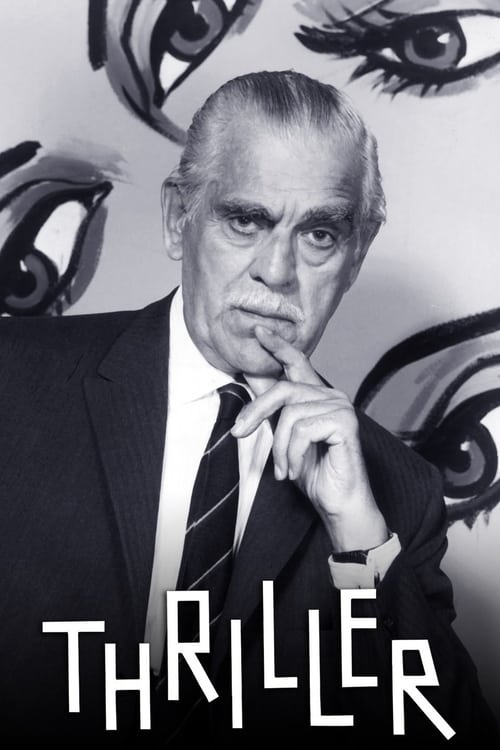
2. Thriller
And then, of course, there was 'Thriller', with Boris Karloff himself guiding you through some truly unsettling tales. Unlike its more ethereal cousin, 'One Step Beyond', 'Thriller' often delved straight into outright horror and suspense. The B&W photography, sometimes almost too dark, helped build an atmosphere that really got under your skin. Each week was a new cast, a new dread, and Karloff's distinctive voice was the perfect macabre ringmaster. It was good, old-fashioned, spooky fun for a Friday night.
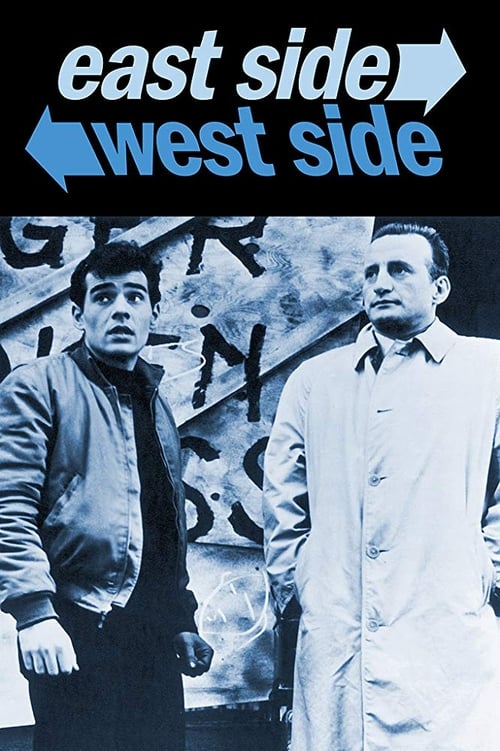
3. East Side/West Side
This one, now, 'East Side/West Side', that was a program with real bite. George C. Scott played a social worker in New York, and it tackled some genuinely tough subjects for its time – poverty, racial prejudice, urban blight. It didn't shy away from the gritty realities, filmed in that stark black-and-white that gave everything a documentary-like urgency. And the show wasn't afraid to end without easy answers. It was perhaps too challenging for some audiences back then, but its impact on television drama was clear, even in its brief run.
4. Coronet Blue
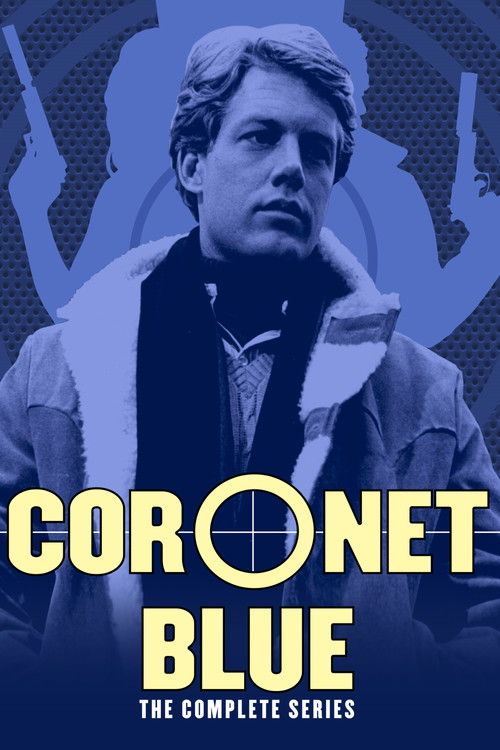
Oh, 'Coronet Blue'! This was a curious one, a true experiment in what they called 'serialization'. A young man wakes up with amnesia, his only clue the words 'Coronet Blue', and he spends every episode trying to discover his identity. It had that moody, almost existential feel, with a new city and new danger each week. You really had to tune in every time to follow the thread. It was ahead of its time, really, a shame it didn't find its footing for more than a single, captivating season. A real puzzle for the viewer.
5. N.Y.P.D.
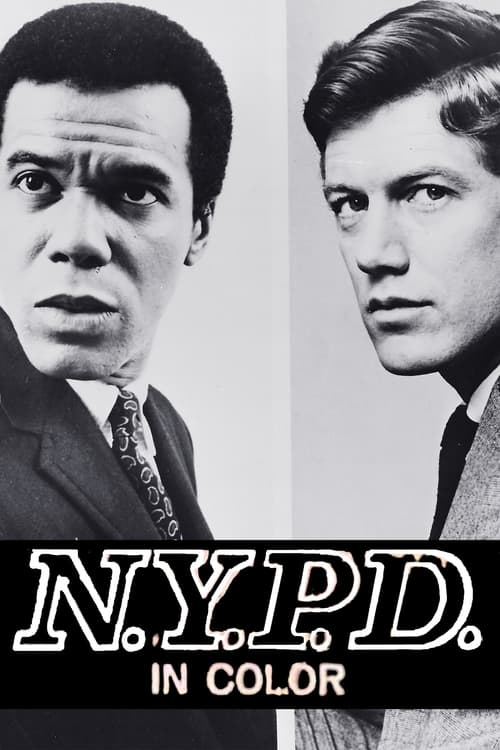
Then there was 'N.Y.P.D.', a police show that tried to be a bit more down-to-earth than some of the more glamorous detective stories. It showed the day-to-day grind, the routine and the sudden bursts of danger, of detectives in New York. The focus was on the process, on figuring out the case, rather than just car chases and shootouts. It felt like a precursor to the more realistic police dramas we'd see later, shot with a certain no-nonsense efficiency that gave it a real authenticity. Not flashy, but solid.
6. The Immortal
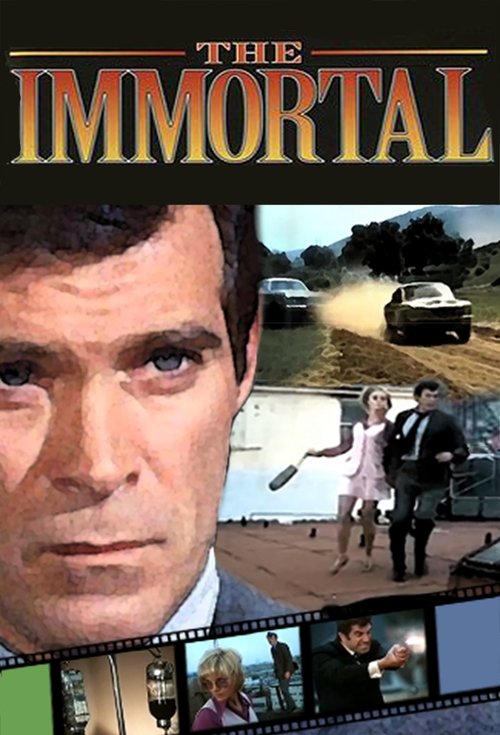
And 'The Immortal' was another one of those serialized programs that kept you coming back. It was a bit of a sci-fi premise: a man with unique blood, immune to all disease, who is being hunted by a wealthy industrialist who wants his secret. So, he's always on the run, helping people along the way, never quite finding peace. It had a certain melodramatic flair, a chase story with a heart, and that continuous storyline felt very modern. A blend of science fiction and good old-fashioned adventure.
7. Then Came Bronson
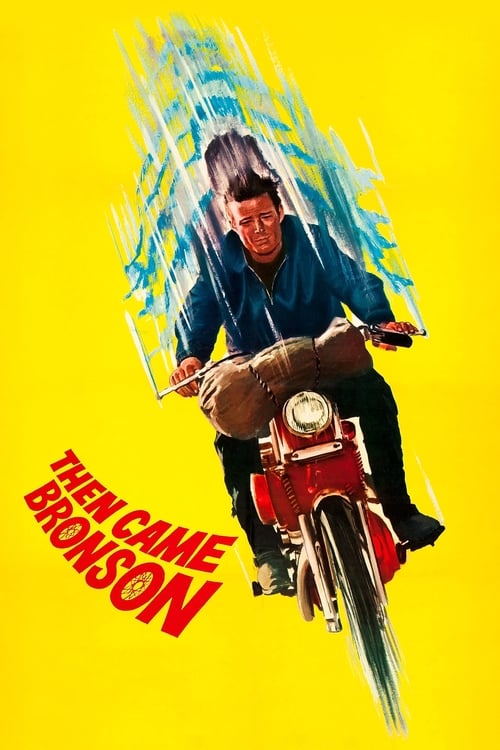
Finally, 'Then Came Bronson'. This was a show that captured the wanderlust of its era. James Bronson, after a tragedy, just gets on his motorcycle and rides across America, meeting new people, solving their problems, and finding a bit of wisdom along the way. It wasn't a tight serial, but each episode built on his journey of self-discovery. That iconic bike, the open road, the quiet introspection – it was a different kind of adventure, more about the spirit than the action. A reflective journey across the landscape.