

1 / 7
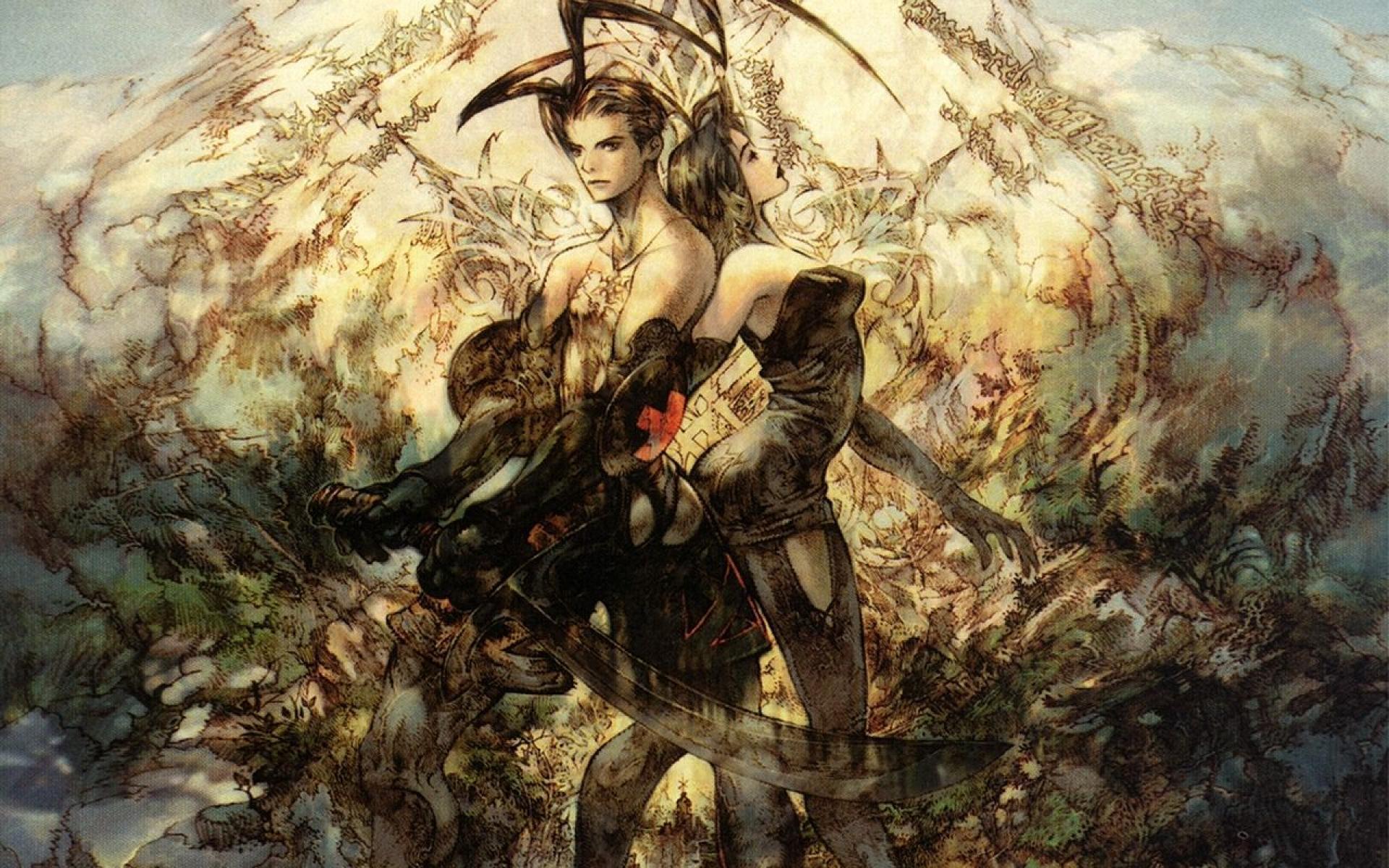
1. Vagrant Story (2000)
This PlayStation title, released in 2000, stood as a stark departure for Square, known more for its traditional JRPGs. Its dark, intricate narrative, set in the cursed city of Leá Monde, combined with a unique, chain-based combat system and deep weapon customization, created an almost oppressive atmosphere. It was a technical marvel, pushing the PS1's limits with its detailed environments and character models. While it never achieved mainstream ubiquity, its experimental spirit and mature themes left an undeniable mark on those who experienced its gothic depths.
2 / 7
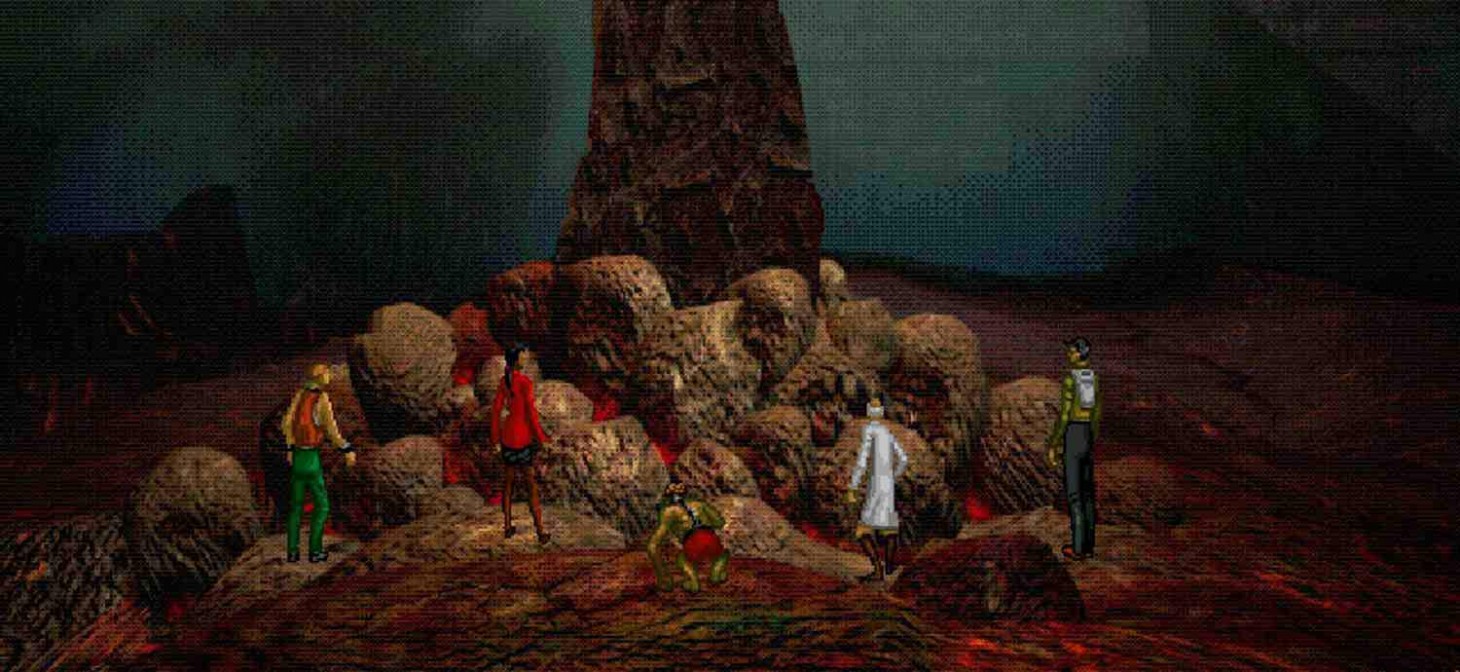
2. I Have No Mouth, and I Must Scream
Harlan Ellison’s chilling short story found a disturbing interactive life in this 1995 point-and-click adventure. Playing as humanity’s last survivors, tortured by the supercomputer AM, players confronted truly horrific moral dilemmas. The game didn't just tell a story; it forced you to embody its bleak philosophy, where every choice felt tainted, and genuine victory seemed impossible. It was a profoundly unsettling experience, pushing boundaries of narrative and psychological horror in gaming.
3 / 7
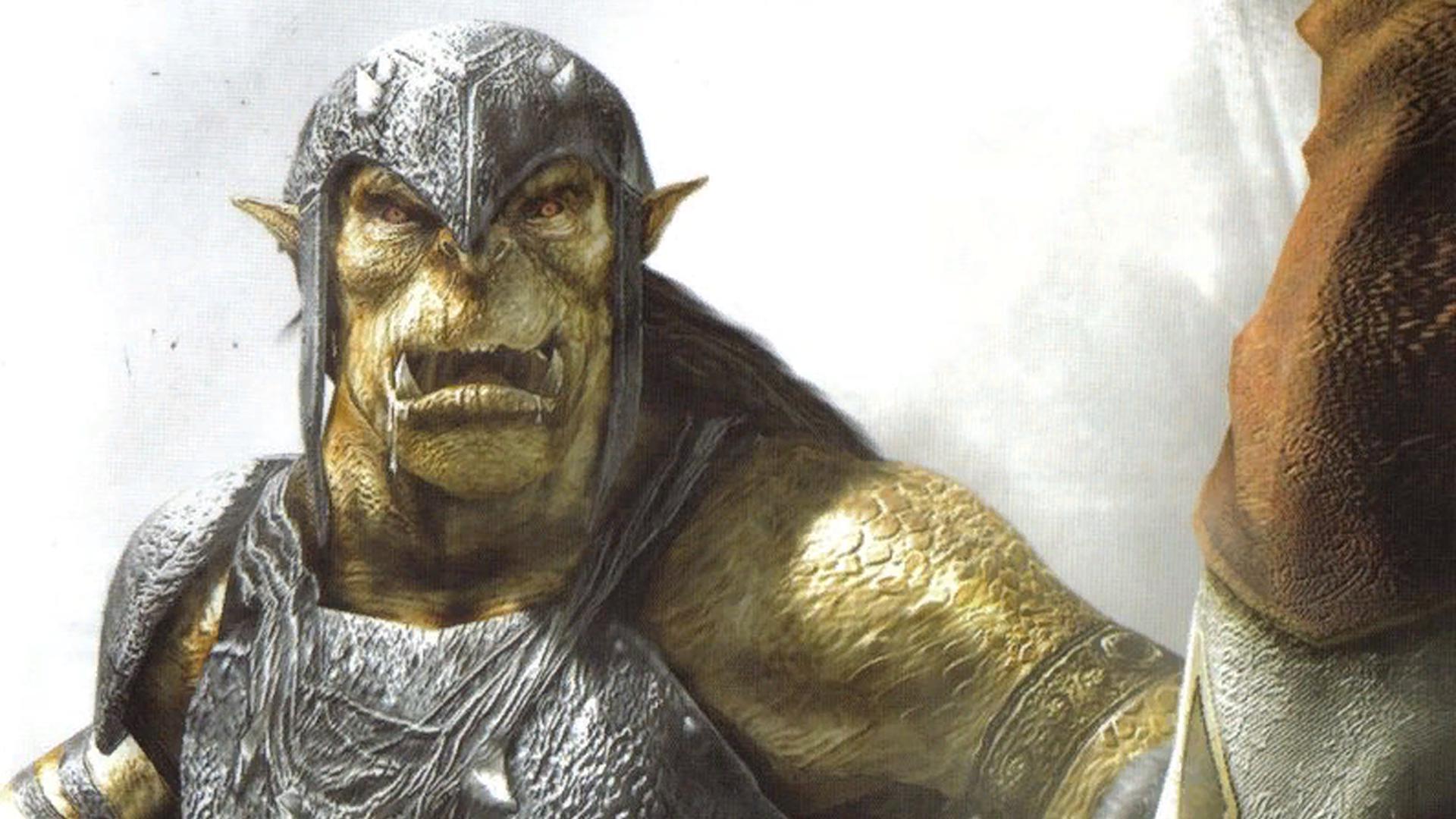
3. Dark Messiah of Might and Magic
Arkane Studios, before Dishonored, delivered this 2006 first-person action RPG. It wasn't just another fantasy hack-and-slash; it pioneered environmental combat in a way few games had. Kicking enemies into spikes, off cliffs, or onto slippery ice wasn't just a gimmick – it was a core, satisfying mechanic. The blend of magic, swordplay, and physics-driven interaction felt fresh and brutal, offering a visceral, often hilarious, approach to fantasy combat that influenced future immersive sims.
4 / 7

4. ActRaiser (1990)
This Super Nintendo gem from 1990 uniquely fused two disparate genres. Players alternated between classic side-scrolling action stages, purging monsters, and then assuming the role of a deity, guiding humanity's development in top-down city-building segments. It was an ambitious concept, masterfully executed with a memorable soundtrack and satisfying progression. ActRaiser proved that genre blending wasn't just possible but could create experiences far greater than the sum of their parts, leaving a legacy of innovative design.
5 / 7

5. SOMA
Frictional Games, known for Amnesia, shifted gears with 2015's SOMA, delivering a masterclass in sci-fi psychological horror. Set in an underwater research facility, it expertly wove a narrative exploring consciousness, identity, and what it means to be human, all while avoiding cheap jump scares. The gameplay was about exploration, puzzle-solving, and avoiding grotesque machines, creating an atmosphere of constant dread. It was a profound, unsettling journey that lingered long after the credits rolled.
6 / 7
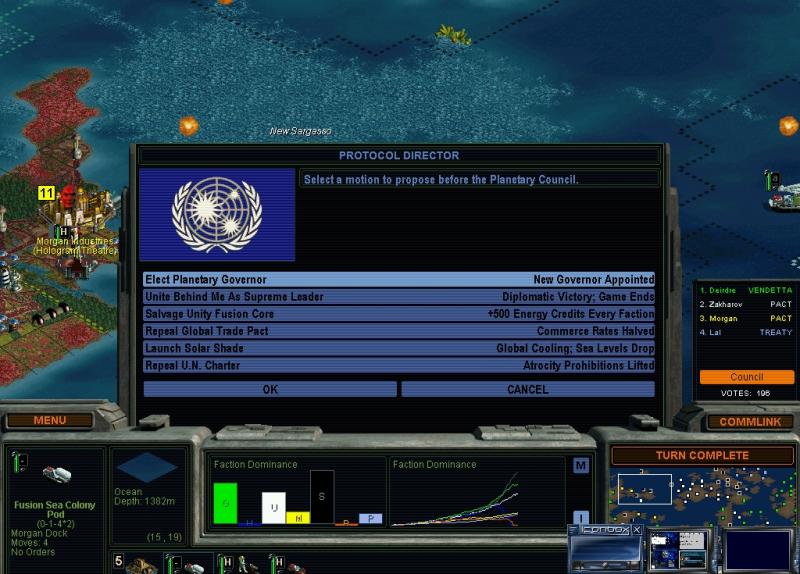
6. Sid Meier's Alpha Centauri
Released in 1999, this 4X strategy game transcended its "Civ in space" label. It offered a remarkably deep and intricate narrative, exploring humanity's colonization of a new planet and the ideological clashes among factions, each with distinct philosophies. Its complex research tree, unit customization, and planet-altering terraforming mechanics provided unparalleled strategic depth. It tackled themes of transhumanism and environmentalism with a sophistication rarely seen in gaming, cementing its legendary status.
7 / 7
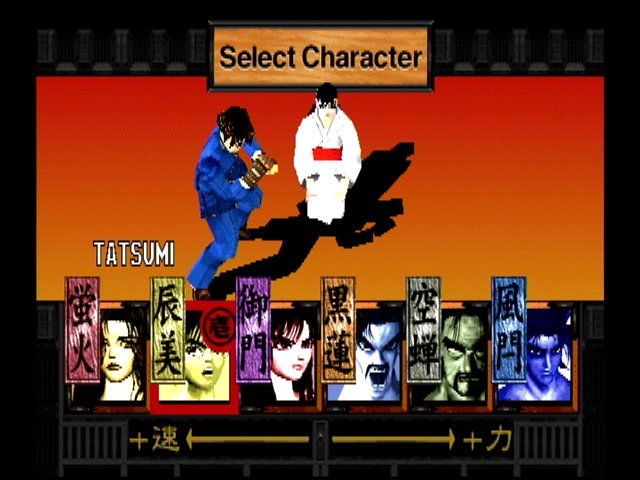
7. Bushido Blade
This 1997 PlayStation fighting game dared to be different. Eschewing health bars and rounds, Bushido Blade focused on realistic, one-hit kill combat where a single well-placed strike could end a duel instantly. Its emphasis on stances, weapon choice, and environmental awareness, rather than complex combos, created a tense, tactical experience. It was a stark, brutal, and refreshingly authentic take on weapon-based fighting, influencing a niche of players seeking depth over flashy spectacle.