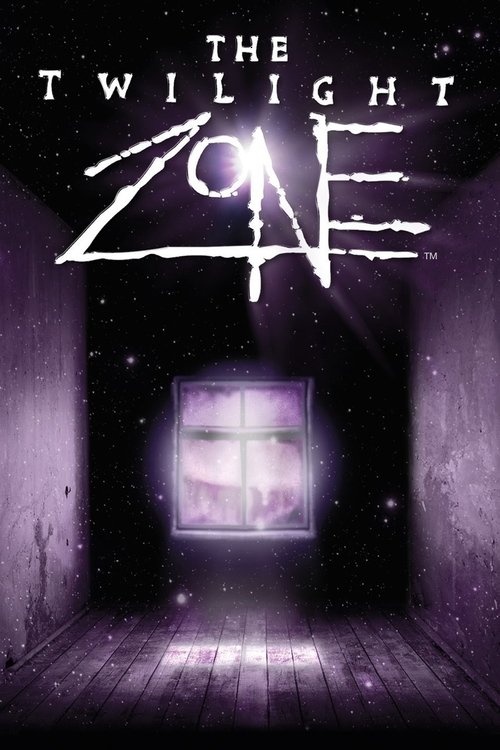
1. The Twilight Zone
Rod Serling’s mind-bending anthology, filmed with that stark black-and-white clarity, nearly faded out after its initial run. You know, they experimented with an hour-long format, but it just didn't quite capture the punch of those tight, thirty-minute morality plays. It was a real gamble, pushing television beyond mere entertainment, asking you to think a bit. And think we did. Imagine losing those unexpected twists, those moments that left you staring at a blank screen, wondering. A true landmark, thank goodness it stuck around.
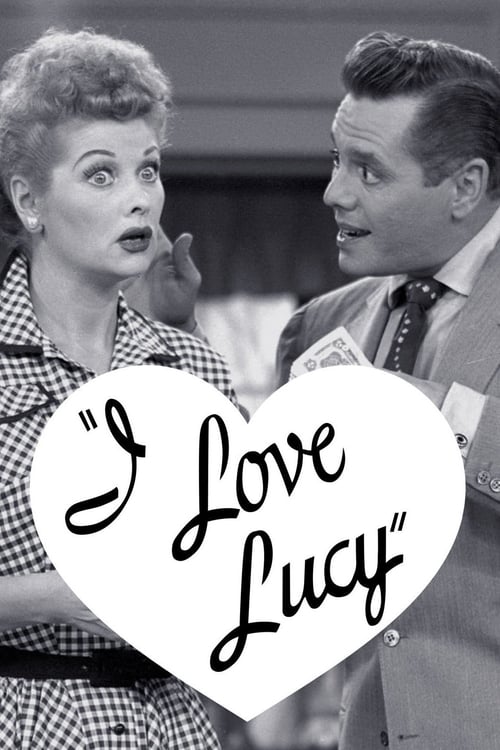
2. I Love Lucy
Lucy and Desi, now there was a pair. This show, it wasn't just groundbreaking for its multi-camera setup and filming on film, rather than kinescope for syndication. No, it almost didn't make it past the network's initial hesitations about an interracial couple leading the show. Could you imagine? This was our first real look into a domestic comedy that felt so immediate, so alive, even in black-and-white. It set the standard for every sitcom that followed, a real masterclass in timing and physical comedy. A genuine treasure.
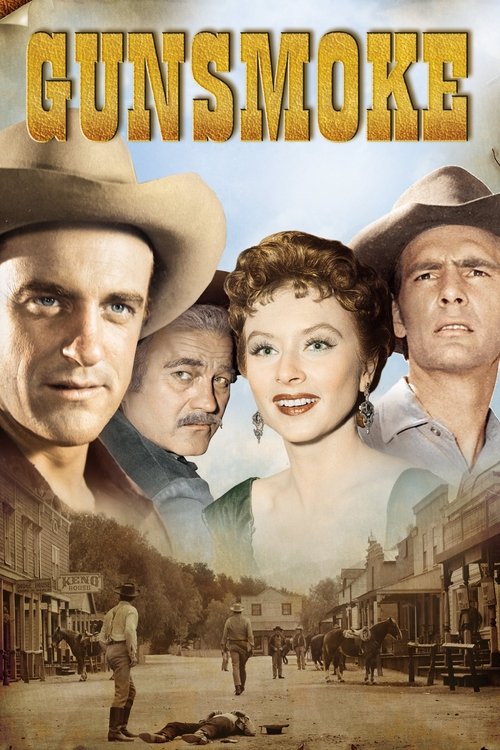
3. Gunsmoke
Marshal Dillon and Dodge City, running for two decades. Can you believe it? This wasn't just a western, it was a weekly appointment, a saga. And yet, CBS tried to cancel it in '67, right when it was still pulling in massive numbers. Audiences demanded it back, proving that once you invest in characters like these, you don't just walk away. Those early black-and-white episodes, they had a real gritty, almost theatrical quality, a sense of lived-in drama that kept folks glued to their sets. A true testament to loyalty.
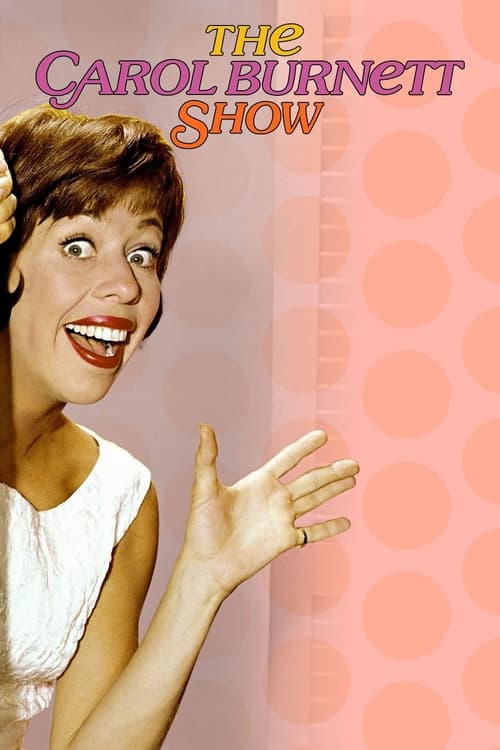
4. The Carol Burnett Show
Carol and her crew, they were pure Saturday night magic. But you know, CBS almost didn't greenlight it. Variety shows were a dime a dozen, and a woman leading one? Some executives were skeptical. Yet, Carol's sheer talent, her commitment to those elaborate sketches, and that incredible ensemble made it essential viewing. It felt live, even when it wasn't, with that palpable energy bouncing right off the screen. From Eunice to Mrs. Wiggins, they gave us laughs that still hold up. Thank heavens for those big red curtains.
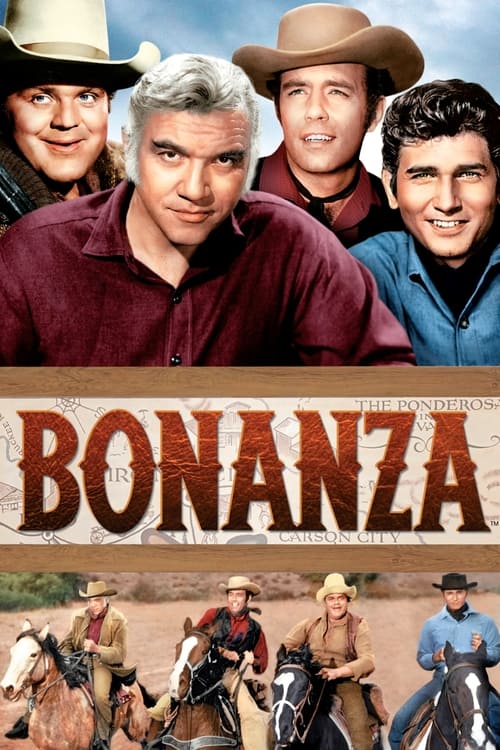
5. Bonanza
The Cartwrights, riding high on the Ponderosa, were almost put out to pasture early on. NBC nearly pulled the plug in its first season due to low ratings. But then, they moved it to Sunday nights, and suddenly, it was a phenomenon, a pioneer in color broadcasting, no less. This wasn't just a western; it was a family drama, a morality play every week, showing us the strength of kinship. It cemented the idea that a compelling family, even one running a massive ranch, could hold an audience for years. A real triumph.
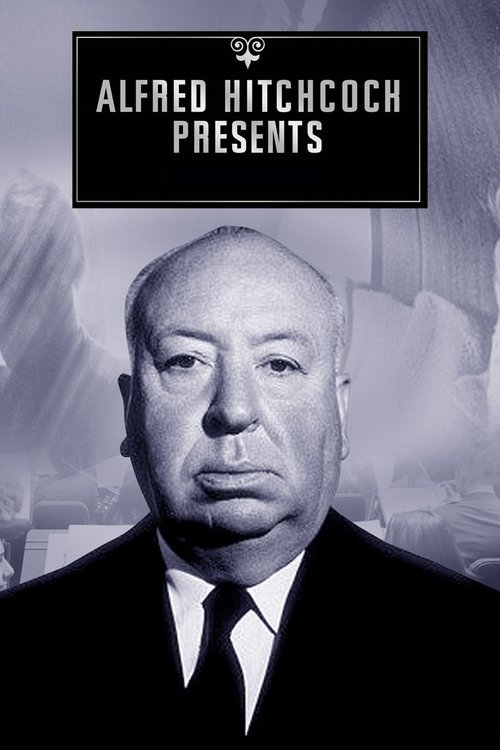
6. Alfred Hitchcock Presents
Hitchcock, with his droll introductions and chilling tales, almost didn't get off the ground. The network was wary of such dark material for a weekly broadcast. But his mastery of suspense, those tight, twisty plots, and that signature silhouette made it appointment viewing. It was an anthology that truly understood the power of the short story, delivering a complete, unsettling experience in just thirty minutes. And in black-and-white, the shadows just seemed to deepen, didn't they? A master class in building tension, week after week.
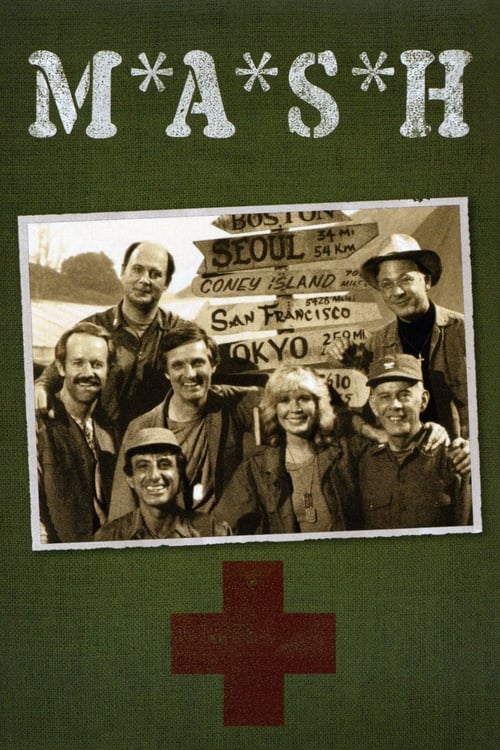
7. M*A*S*H
M*A*S*H, a comedy about war, was a tough sell from the start. CBS executives were nervous about the dark humor and anti-war sentiment, especially after the movie. Its first season ratings were middling, and it almost got the axe. But its genius, the way it blended genuine laughs with heartbreaking drama, quickly found its audience. It evolved, giving us characters we truly cared about over its long run, proving that a sitcom could tackle serious issues without losing its touch. A rare blend, indeed.