

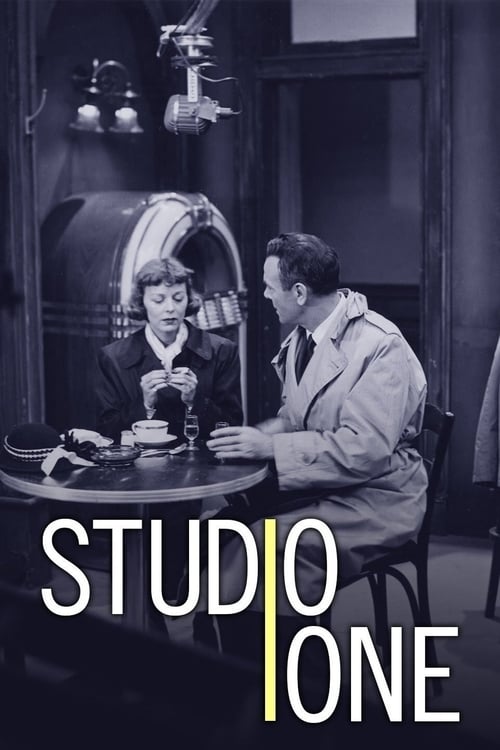
1. Studio One
Ah, 'Studio One'! This was television’s live theater, beamed right into your parlor, often smelling faintly of burning cathode rays. The dramas unfolded before your very eyes, with actors sometimes breaking a sweat, pushing against the limitations of the medium. You saw the craft, the raw emotion, and the sheer audacity of bringing such weighty stories, sometimes from the big names, right to the small screen. And yes, many of those early broadcasts survive only as those fuzzy, ghostly kinescopes. A true pioneer.
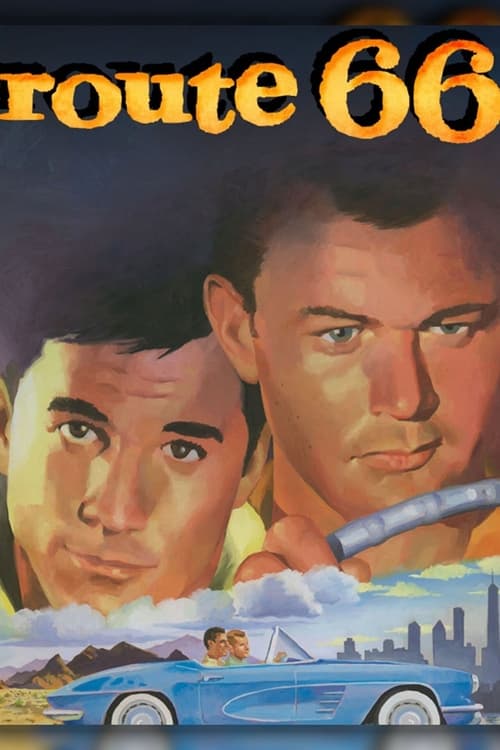
2. Route 66
'Route 66' gave us two young men, Buz and Tod, in a Corvette, drifting through America. Each week, a new town, new faces, new problems. It wasn't just about the scenery, though that was a marvel for its time, but about the human condition they encountered on the road. This show really put location shooting on the map for episodic drama, bringing a fresh, cinematic feel to the weekly television schedule. You felt like you were right there with them, exploring the country.
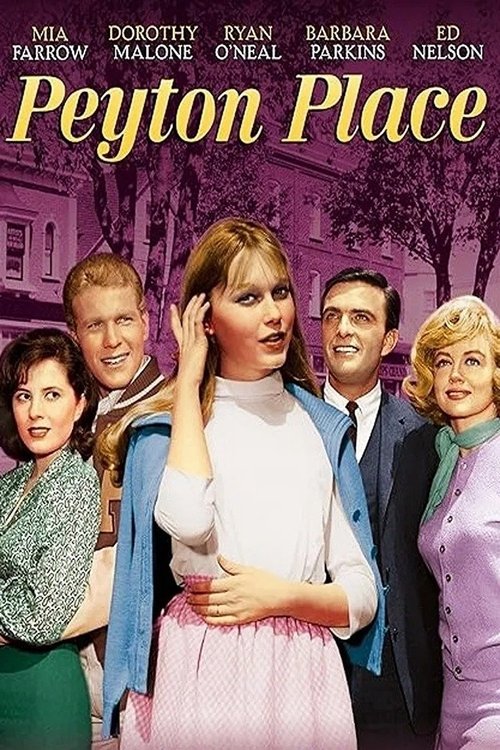
3. Peyton Place
Now, 'Peyton Place' was something else entirely. It took the serialized melodrama, usually confined to daytime, and unleashed it on prime time, twice a week, in glorious black-and-white. The tangled lives, the secrets, the scandalous affairs—it was all there, keeping folks glued to their sets. You couldn't miss an episode, or you'd be lost at the water cooler the next day. This show truly pioneered the long-form continuity that would later become a staple.
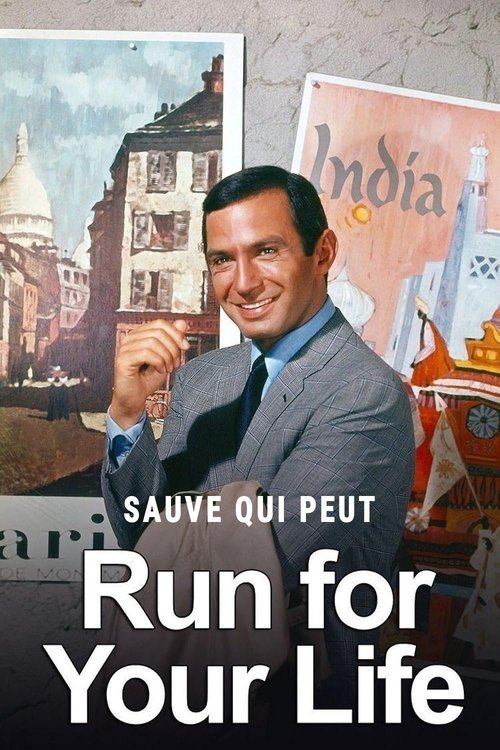
4. Run for Your Life
'Run for Your Life' offered a poignant premise: a man, Paul Bryan, told he had only a year or two to live, deciding to truly experience life. Each week, he'd find himself in a new situation, a new adventure, meeting new people. It was an interesting blend of travelogue and existential drama, a sort of episodic quest for meaning. You'd watch, wondering if this week would be the one where his time ran out, which kept the drama taut.
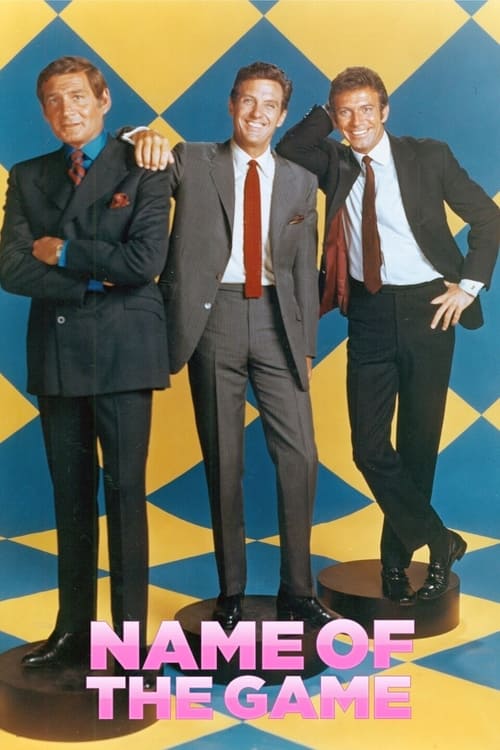
5. The Name of the Game
'The Name of the Game' was quite ambitious for its era, a 90-minute rotating anthology series. You had three formidable stars—Robert Stack, Tony Franciosa, Gene Barry—each headlining a different segment about a powerful publishing conglomerate. It was big, it was glossy, and it offered variety within a single program, a sort of anthology-meets-episodic hybrid. This really pushed the boundaries of what a weekly dramatic series could be, trying to deliver something more substantial.
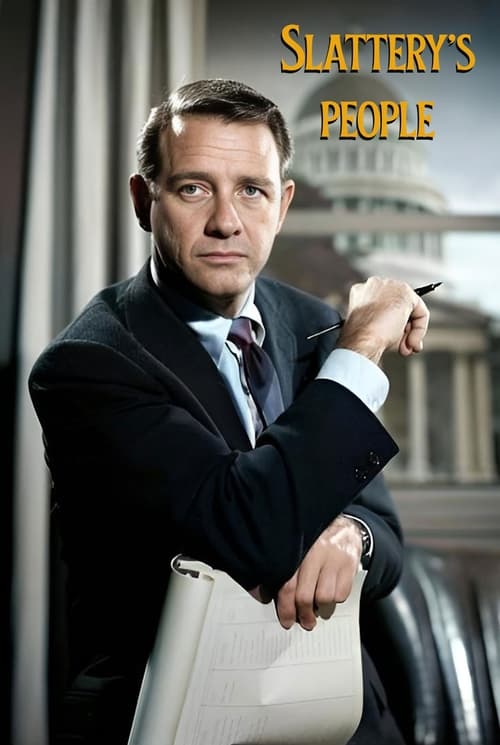
6. Slattery's People
'Slattery's People' was a thinking person's drama, focusing on James Slattery, a state assemblyman wrestling with the often-murky world of politics. It wasn't flashy, but it delved into the complexities of legislation and conviction with a seriousness rarely seen in weekly programming. You got to see the man behind the votes, facing moral dilemmas that felt quite real. Perhaps it was a bit too cerebral for some, but it showed television could tackle substantial issues.
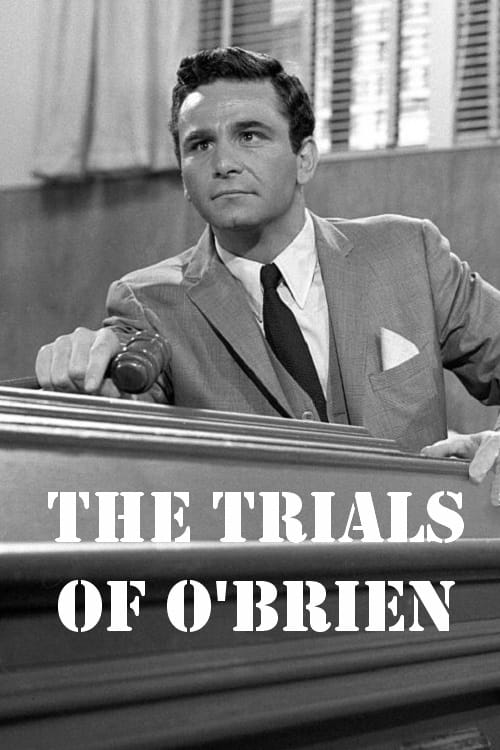
7. The Trials of O'Brien
Peter Falk was simply captivating in 'The Trials of O'Brien.' He played a brilliant but often disheveled defense attorney, Daniel J. O'Brien, who’d rather ride a bicycle than drive a fancy car. The show really let Falk shine, crafting a memorable character long before his trench-coated detective days. It blended courtroom drama with a delightful quirkiness, proving that even a legal procedural could have a distinct personality and charm that kept you tuning in.