

1. Naked City
Naked City, that 1958 debut, was a revelation. It wasn't just another cop show; it felt like a documentary, right there on the streets of New York. And the black-and-white cinematography? It wasn't a limitation; it was a character, adding a stark, almost poetic grit to every frame. The cases were often grim, but they felt real, like slices of life caught on film. It was early serialized drama, building on those anthology foundations, and it showed what television could really do, beyond the stage.
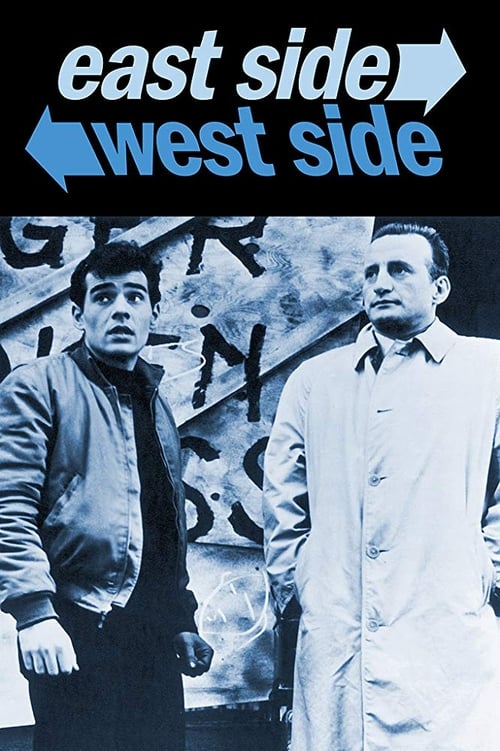
2. East Side/West Side
George C. Scott in 'East Side/West Side' – now there was a show that wasn't afraid to look at the tough stuff. Back in '63, it tackled social issues head-on, from poverty to racial tensions, things most programs skirted around. And it was all in stark black and white, lending an undeniable gravitas to the proceedings. The stories felt raw, almost uncomfortably real at times, and it was a shame it didn't last longer. It challenged viewers, and that's not always popular, but it was important television.
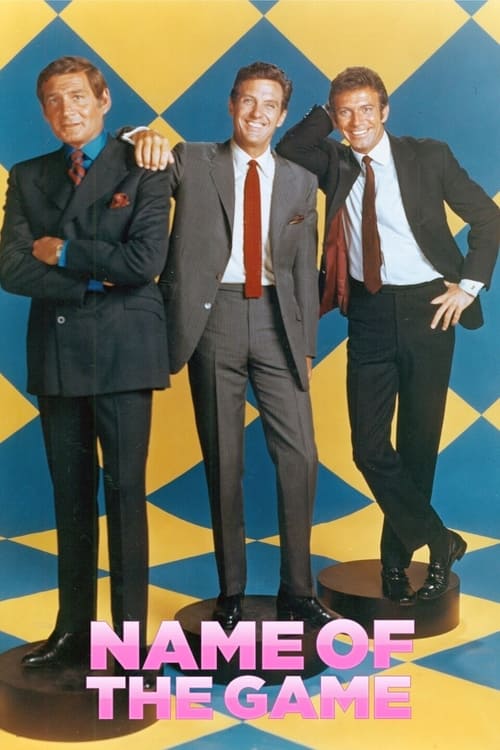
3. The Name of the Game
Now, 'The Name of the Game' from '68, that was an ambitious beast. Imagine, a ninety-minute show, practically a movie every week! And it rotated leads — Robert Stack, Tony Franciosa, Gene Barry — each anchoring a different segment of a publishing empire. It felt like television trying to be cinema, pushing the boundaries of what a weekly series could be. The plots were sprawling, often complex, and it really experimented with long-form storytelling. It had that big-studio sheen, a real prestige effort for its time.
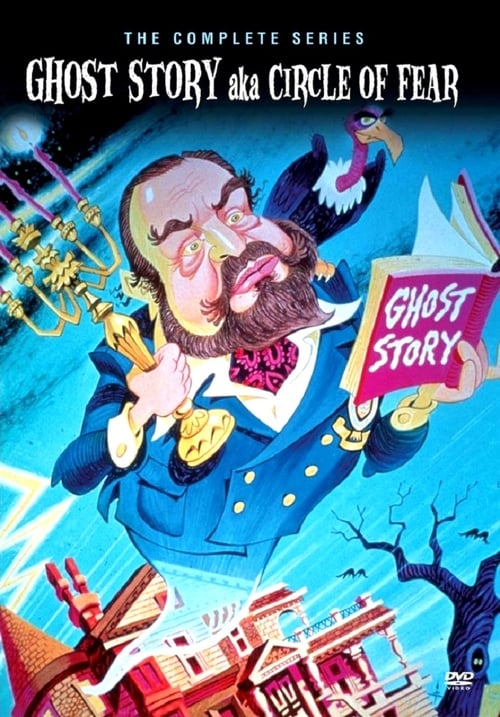
4. Ghost Story
When 'Ghost Story' appeared in '72, it brought that classic anthology feel to the supernatural. Sebastian Cabot, with his wonderfully ominous voice, introduced tales of the eerie and unexplained. It wasn't about jump scares; it was about building atmosphere, slowly drawing you into these unsettling narratives. And, you know, it was in color, but it still managed to maintain that shadowy, mysterious vibe. It felt like a grown-up campfire story, perfectly crafted for a Friday night when you wanted a good chill.
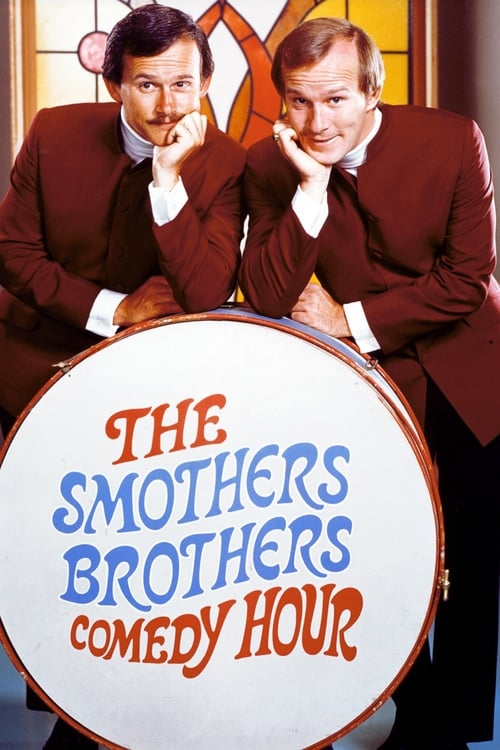
5. The Smothers Brothers Comedy Hour
The Smothers Brothers, in '67, they were something else. It was a variety show, sure, with music and sketches, but oh, the bite. They were pushing boundaries, challenging the establishment right there on national television. And you could feel the tension, knowing the network censors were breathing down their necks. It was sharp, it was funny, and it was absolutely vital for its time, giving voice to a whole generation. You watched, not just for the laughs, but to see what they'd get away with next.
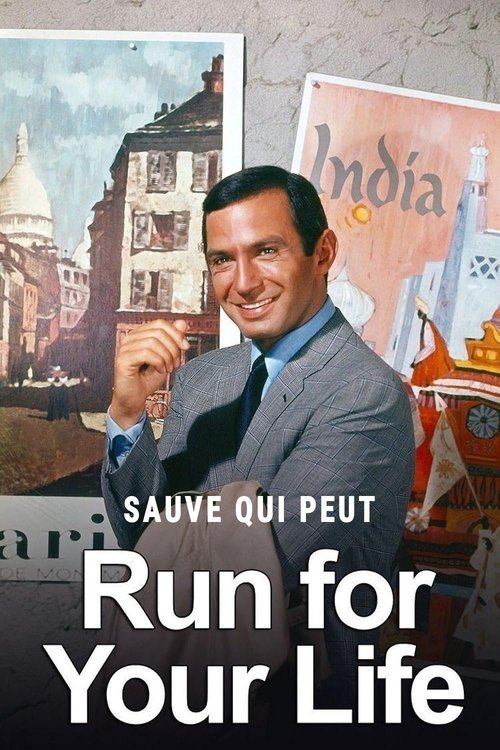
6. Run for Your Life
Ben Gazzara in 'Run for Your Life,' starting in '65, that was a curious one. It wasn't a procedural or a family sitcom; it was a man, diagnosed with a terminal illness, deciding to live his remaining time to the fullest. Each week, a new adventure, a new encounter, a new reflection on life. It was early, sustained character drama, an experiment in long-form continuity, following one man's journey across the world, almost. There was a melancholy undercurrent, but also a real zest for living in each episode.
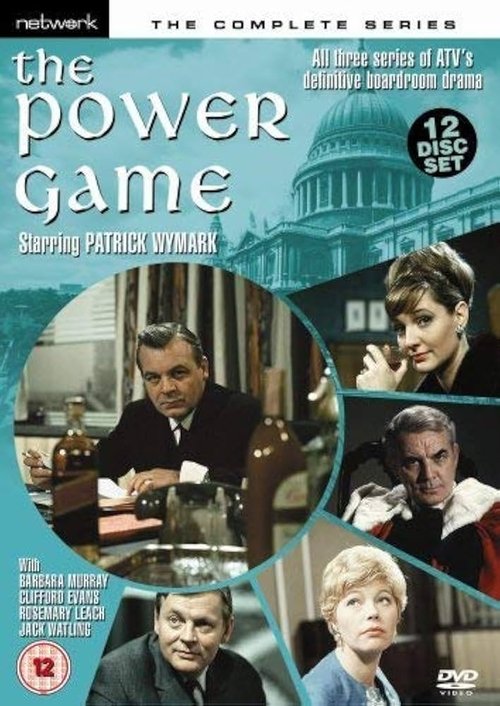
7. The Power Game
Over from the BBC, 'The Power Game' from '65 was a masterful look at corporate and political maneuvering. It wasn't flashy; it was about the slow burn of ambition, the intricate chess moves in boardrooms and government offices. And, it was a continuation of 'The Plane Makers,' so you had this impressive long-form storytelling at play. The characters were complex, often morally grey, and the dialogue was sharp as a tack. It really showed how gripping a serious, serialized drama could be, without a single car chase.