
1 / 7
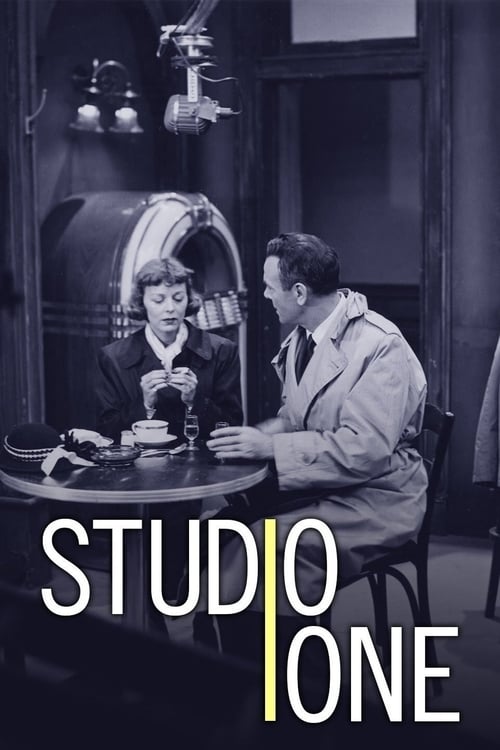
1. Studio One
Studio One was the grand dame of early television, live drama unfolding right before your eyes. You could practically smell the greasepaint. The intimacy of that black-and-white image, often caught on a flickering kinescope, made every performance feel like a stage play beamed directly into your living room. A true testament to broadcast's live, unpolished charm, where mistakes were part of the magic.
2 / 7
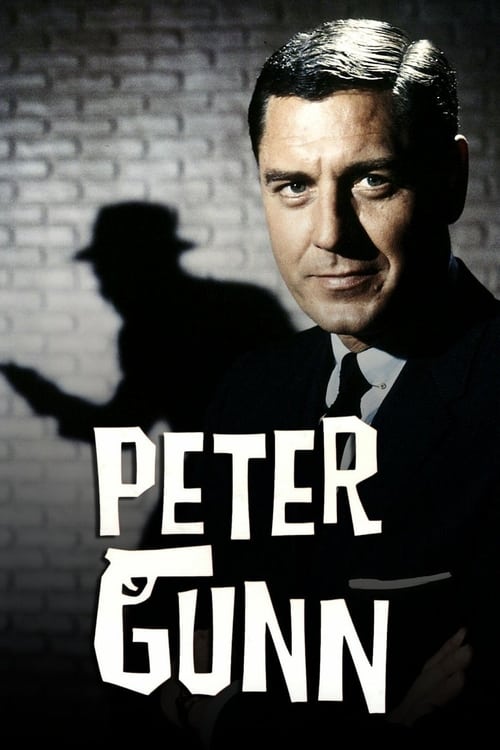
2. Peter Gunn
Peter Gunn came swinging in, all cool jazz and shadows. Blake Edwards really knew how to frame a shot, even in stark black and white. It wasn't just a detective show; it had a certain rhythm, a sophisticated air that was quite new. And that theme music? You couldn't help but feel a little slicker just listening to it. It showed us crime could be cool, not just gritty.
3 / 7
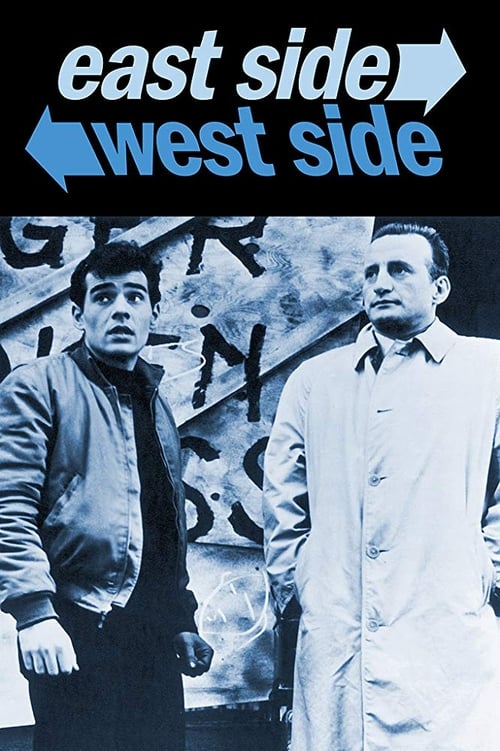
3. East Side/West Side
East Side/West Side was something else entirely. George C. Scott, staring right out of that screen, tackling social problems head-on. This wasn't your cozy family sitcom; this was raw, black-and-white melodrama with a purpose. It made you think, sometimes uncomfortably so, about the real world outside your living room. A bold step for television, proving the medium could handle serious subjects.
4 / 7
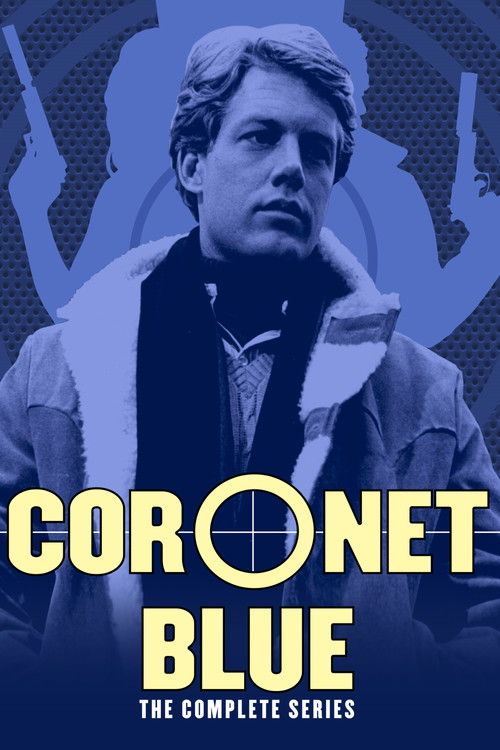
4. Coronet Blue
Coronet Blue, now that was a mind-bender. A man with amnesia, searching for his identity, week after week. It really tried to push the idea of long-form continuity, not just standalone episodes. But, the networks weren't quite ready for that deep dive, and it ended too soon, leaving us all hanging. Still, its experimental spirit was clear, even if it left more questions than answers.
5 / 7
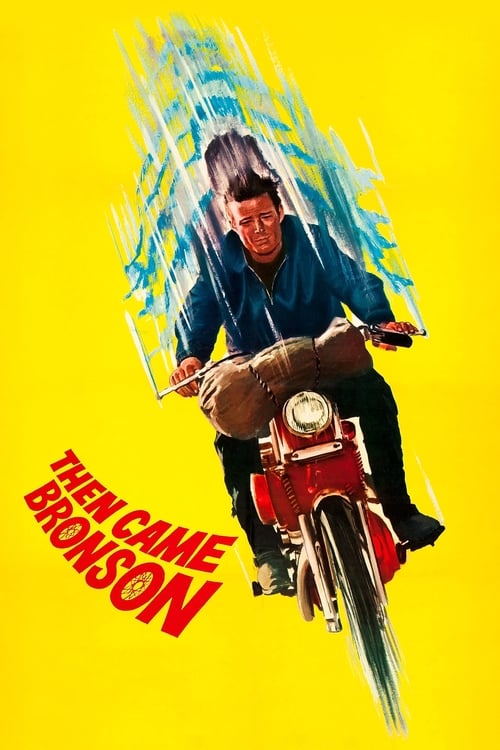
5. Then Came Bronson
Then Came Bronson had that wanderer spirit, a lone wolf on a motorcycle, just like the times were changing. Michael Parks, riding across America, meeting new folks each week, solving problems, but mostly just *being*. It tapped into a certain restless feeling, a quiet rebellion. And the theme song, "Long Lonesome Highway," perfectly captured that sense of individual freedom. It was a different kind of adventure.
6 / 7
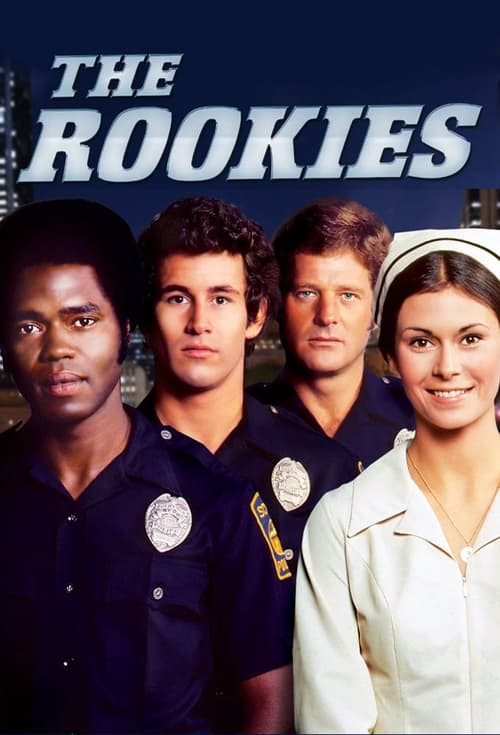
6. The Rookies
The Rookies gave us a fresh look at police work, focusing on the younger guys just starting out. It wasn't always about the big chase, but about the struggles and learning curves of these new officers. You got to know their lives a bit, not just their cases. It was a solid procedural, trying to blend some character drama into the usual crime-fighting formula. A reliable watch on a Tuesday night.
7 / 7
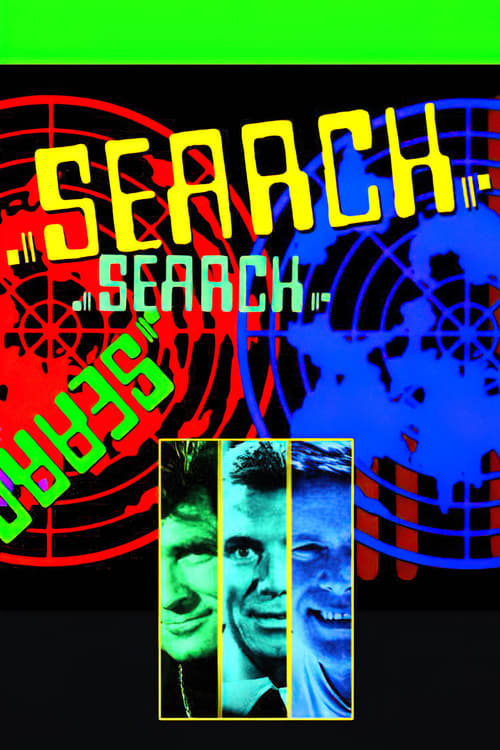
7. Search
Search was a bit wild, wasn't it? A high-tech spy agency, with agents wearing those "scanners" and getting instructions from a control room. It felt very modern, almost futuristic for '72, pushing the boundaries of what TV could show. Each week, a new assignment, gadgets galore. It really tried to bring that big-screen espionage feel to the smaller screen, and it mostly pulled it off with style.