1. Max Headroom
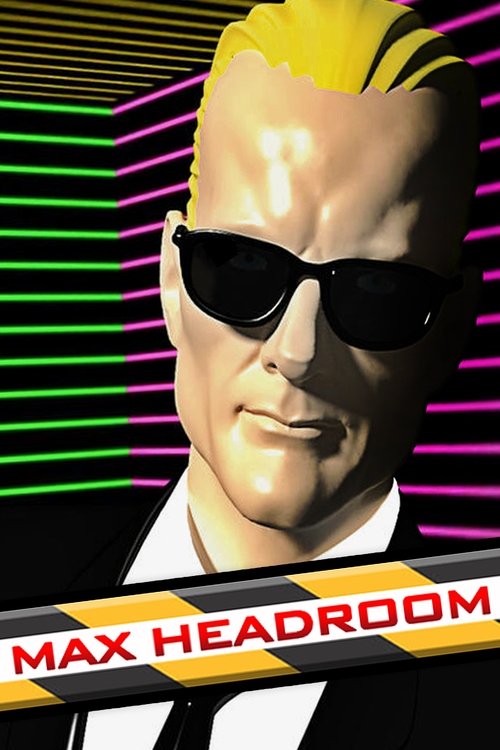
Max Headroom was a glitch in the system, a jagged digital personality born from the future shock of '87. It was cyber-punk before we even had the word, a satirical jab at corporate media wrapped in a neon-drenched, static-filled aesthetic. The practical effects, that blocky head, the stuttering speech – it felt dangerous, like it could break the fourth wall and melt your TV. You couldn't ignore it. It was a broadcast nightmare, and we loved it.
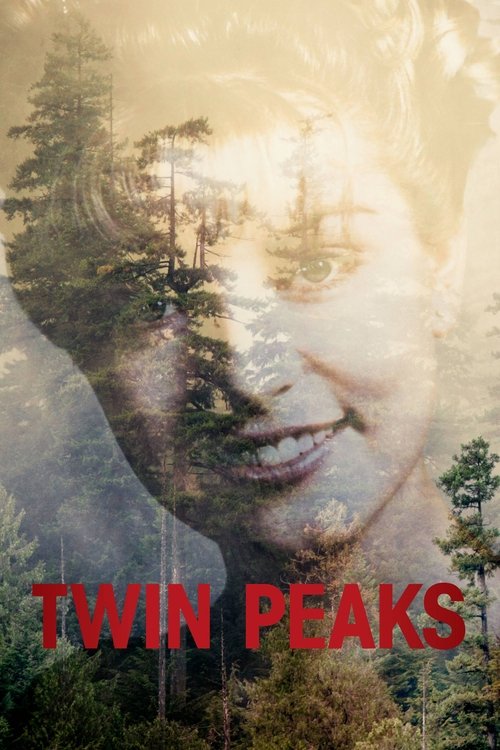
2. Twin Peaks
Lynch and Frost blew up the sleepy town trope, serving up a slice of Americana so twisted it tasted like pure dread. It was a soap opera, a murder mystery, and an existential nightmare all rolled into one damn fine cup of coffee. The surreal imagery, the Log Lady, the red room – it seeped into your subconscious. You watched it for answers, but mostly you just got more questions, and a whole new way to feel unsettled.
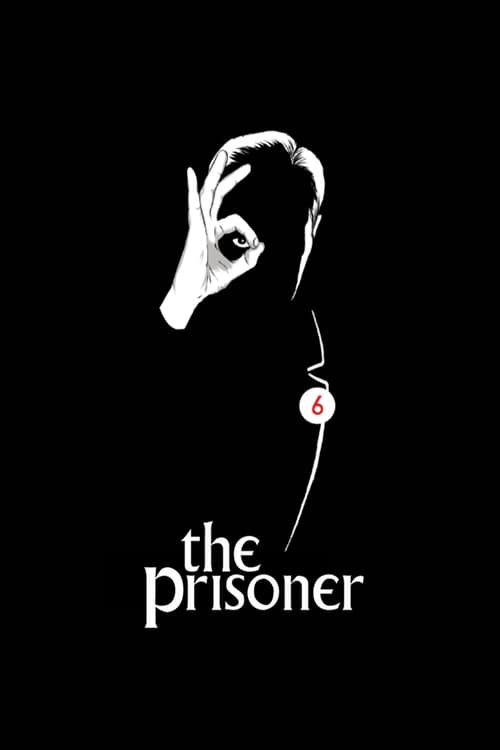
3. The Prisoner
"I am not a number! I am a free man!" This show was a mind-bending, existential trip that felt like a bad acid dream you couldn't wake from. A spy trapped in a bizarre, pastel-colored village, constantly interrogated, always trying to escape. Its surrealism and paranoia spoke volumes about conformity and control, years before everyone else caught on. You felt his frustration, his desperation. It was a classic for a reason, still messing with heads today.
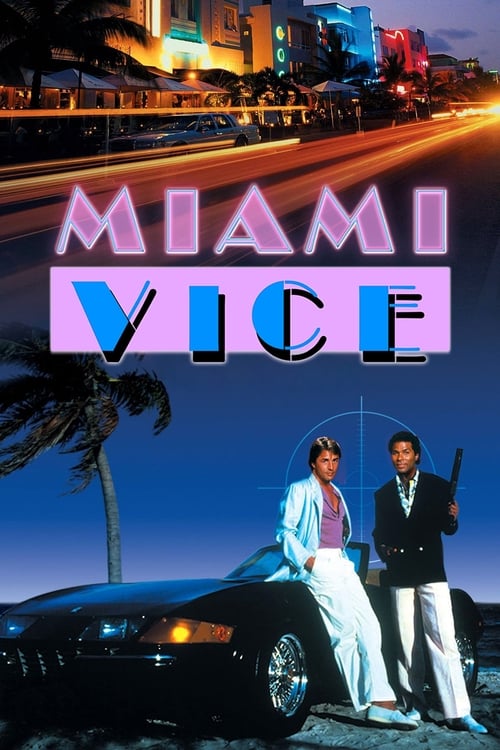
4. Miami Vice
Crockett and Tubbs were walking, talking music videos, draped in pastel suits and synths. It was style over substance, and that *was* the substance. Every episode felt like an extended pop song, a glossy, neon-soaked fever dream of '80s excess and moral ambiguity. The soundtrack was a character, the fashion was iconic, and the plots often took a backseat to the vibe. It redefined cool, cementing its place in the analog hall of fame.
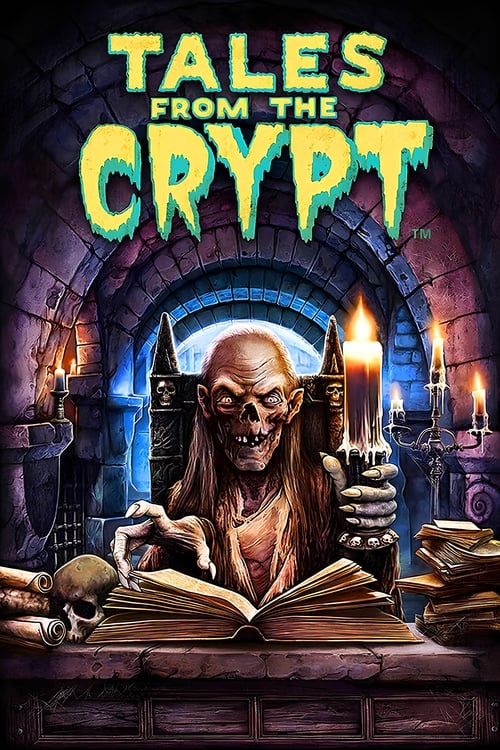
5. Tales from the Crypt
The Crypt Keeper was your ghoulish host, a puppet master of practical effects and genuinely twisted morality tales. HBO let them off the leash, and the results were glorious: celebrity cameos, gruesome payoffs, and a deliciously dark sense of humor. It wasn't just jump scares; it was often genuinely unsettling, a proper EC Comics adaptation that pushed boundaries. And you know, those practical monsters? Always better than any CGI could ever hope to be.
6. Liquid Television
This was MTV's wild west, a psychedelic playground for animators and weirdos. It birthed Beavis and Butt-Head, sure, but it was so much more. A rotating showcase of experimental shorts, claymation, and utterly bizarre concepts that defied categorization. It felt like stumbling onto a pirate broadcast from another dimension, raw and unfiltered. No rules, just pure, unadulterated visual noise that pushed the boundaries of what animation could even be.
7. Babylon 5
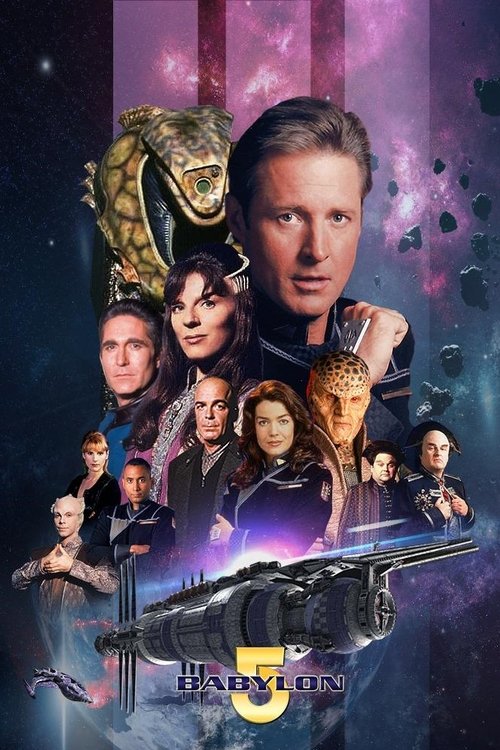
While Star Trek was still episodic, Babylon 5 dared to tell one epic, five-year story. It was a space opera with political intrigue, complex characters, and a serialized plot that rewarded loyalty. The early CGI might look dated now, but the sheer ambition, the grand scope of its mythology, was revolutionary. It felt like a novel playing out on your screen, a gritty, lived-in future that wasn't afraid to get dark.