


1. The Psych Funk of Black Merda
Black Merda carved a raw, proto-metal groove, fusing heavy psychedelic rock with deep funk rhythms before such hybrids were commonplace. Their early 70s output, steeped in fuzz and powerful bass lines, felt like a primal scream captured directly to tape. It’s the sound of guitars wrestling with drums, unfiltered and uncompromising, a true anomaly that presaged so much heavy music while retaining an undeniable funk swagger. This wasn't polished; it was pure, unadulterated sonic force.
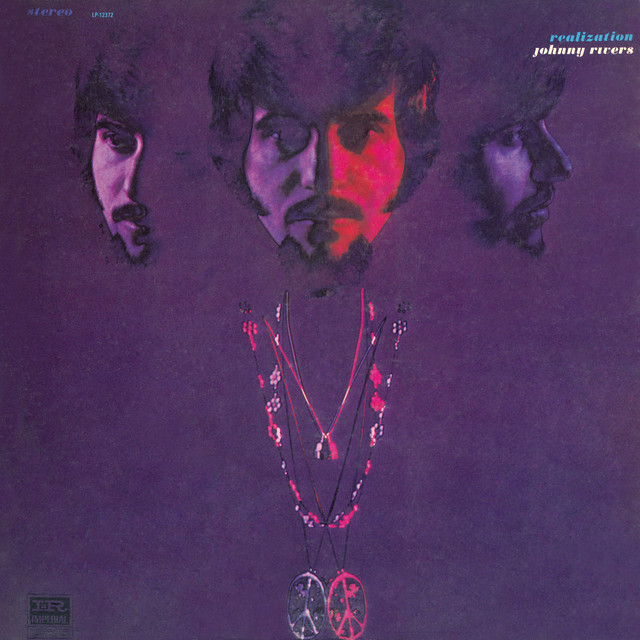
2. Realization
Johnny Hammond's "Realization" from 1970 is a masterclass in early jazz-funk fusion. His B3 organ work, rich with soulful improvisation, glides effortlessly over those tight, infectious grooves. It’s a testament to the era's studio musicianship, where complex arrangements felt organic and spontaneous. The interplay between the rhythm section and Hammond's fluid lines created a vibrant, expansive soundscape, defining a pivotal moment where jazz embraced a more visceral, danceable energy without sacrificing its intellectual depth.
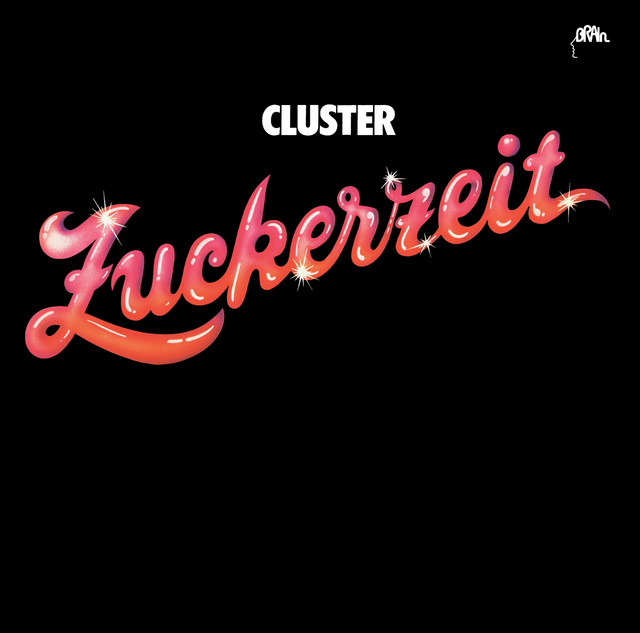
3. Zuckerzeit
Neu!'s 1974 "Zuckerzeit" felt like an entirely new sonic language emerging from Germany. The motorik beat, steadfast and propulsive, provided a hypnotic foundation for delicate, often childlike synthesizer melodies. It was minimalist yet deeply textural, blending rock instrumentation with nascent electronic experimentation. This album demonstrated how repetition could build intensity, creating an ambient, almost trance-like state while still retaining an art-rock sensibility. It was a blueprint for so much that followed, a truly pioneering work.
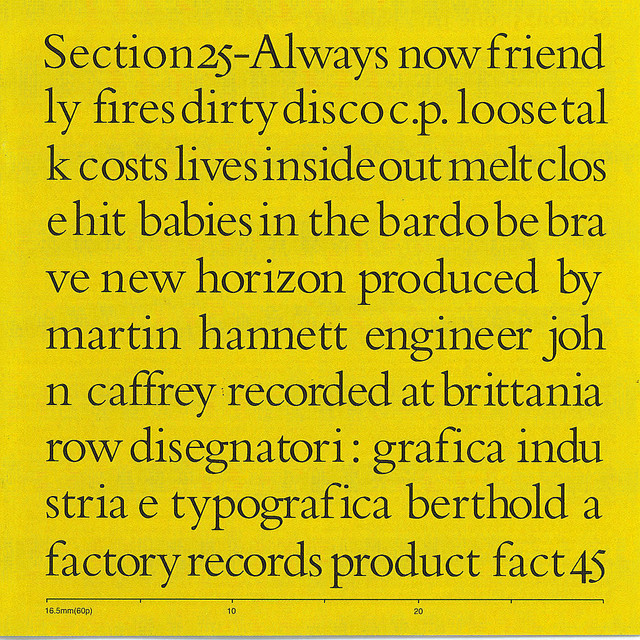
4. Always Now
Section 25’s "Always Now," produced by Martin Hannett, is a stark, atmospheric cornerstone of coldwave. Its soundscape is bleak, yet compelling, characterized by stark rhythms, shimmering guitar textures, and a pervasive sense of melancholic detachment. Hannett's production carved out vast sonic spaces, allowing each instrument to resonate with a chilling clarity. It embodies that post-punk embrace of industrial dread and nascent electronic textures, crafting a mood that was both fragile and intensely unsettling. A truly immersive experience.

5. Nothing Was The Same (Deluxe)
This particular title, "Nothing Was The Same," is an anomaly not because of its content, but its temporal placement relative to my established musical understanding. My sonic landscape solidified by the early 1990s, rooted in the analog studio practices of prior decades. This album, I gather, hails from a period far beyond that horizon. Therefore, I possess no informed perspective or critical framework to analyze its musical substance within my established worldview. It simply exists outside my ear's formative years.
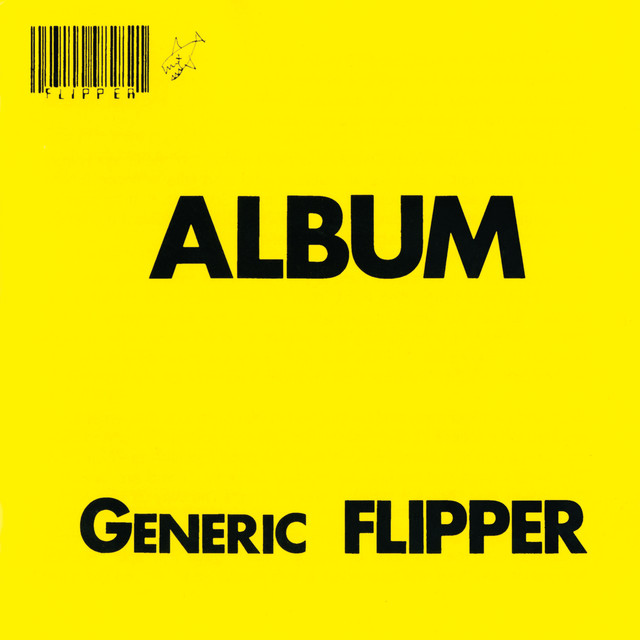
6. Album - Generic Flipper
Flipper’s "Album – Generic Flipper" from 1982 was a brutal, uncompromising assault. It dismantled traditional punk structures, embracing repetition and a sludgy, almost industrial heaviness. The vocals were a detached snarl, the guitars a raw, feedback-laden roar, and the rhythms felt both rudimentary and utterly relentless. This wasn't about speed; it was about oppressive atmosphere and confrontational dissonance. It carved out a unique space between hardcore punk and nascent noise rock, a truly abrasive, yet compelling, listen.