
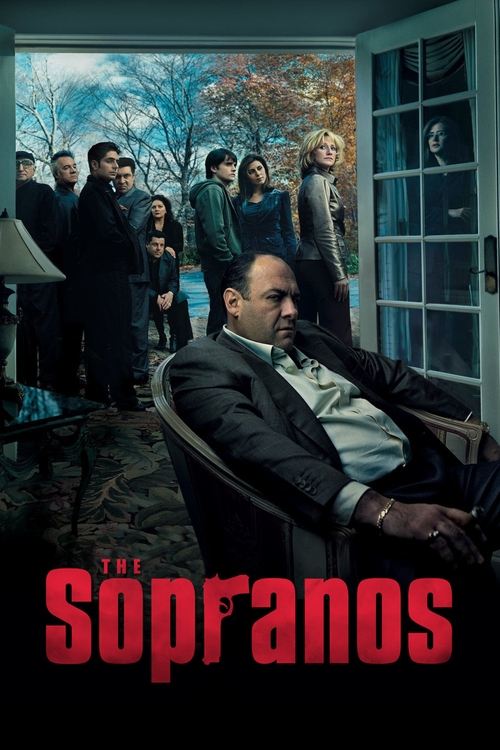
1. The Sopranos
This one was a gut-punch. HBO didn't just make a mob show; they made *the* mob show, but it was really a deep dive into American masculinity, anxiety, and family dysfunction. It proved TV could be darker, smarter, and more cinematic than anything on network. The serialized narrative, the morally gray anti-hero – it set the standard for what premium cable could achieve. That ending still messes with people.
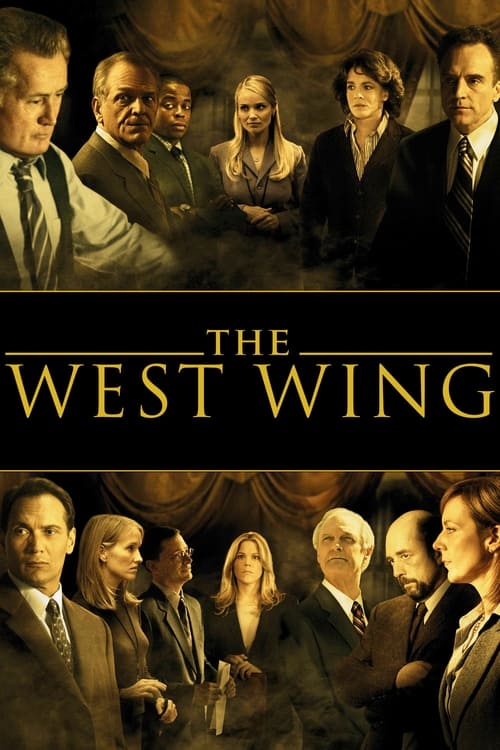
2. The West Wing
Aaron Sorkin's dialogue was a character unto itself. This show made politics cool, intelligent, and aspirational, even if it was idealized. The walk-and-talks were iconic, pushing a rapid-fire, ensemble-driven narrative. It felt like watching a highly produced play, but on TV, with stakes that mattered every week. It showed network TV could still be prestige, just in a different way.
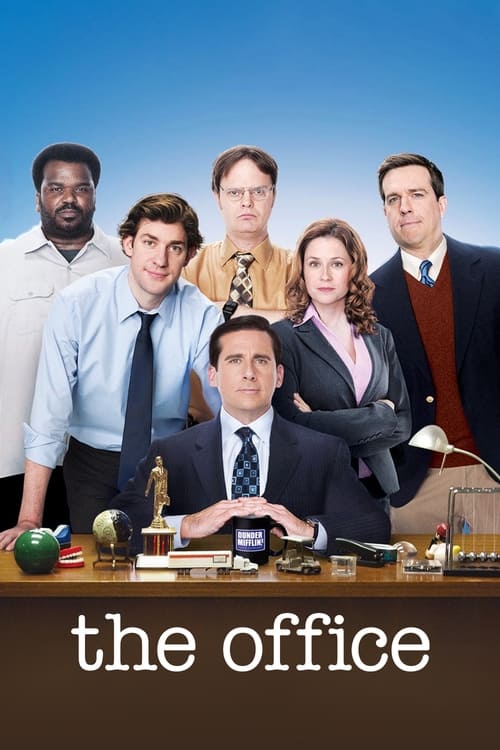
3. The Office
Who knew awkward could be so brilliant? Taking a British concept and making it distinctly American, this mockumentary broke the sitcom mold. It found humor in the mundane, in office politics, and in characters you both loved and cringed at. It built a world with a huge ensemble, proving that serialized character arcs and genuine heart could thrive within a comedic, unconventional format.
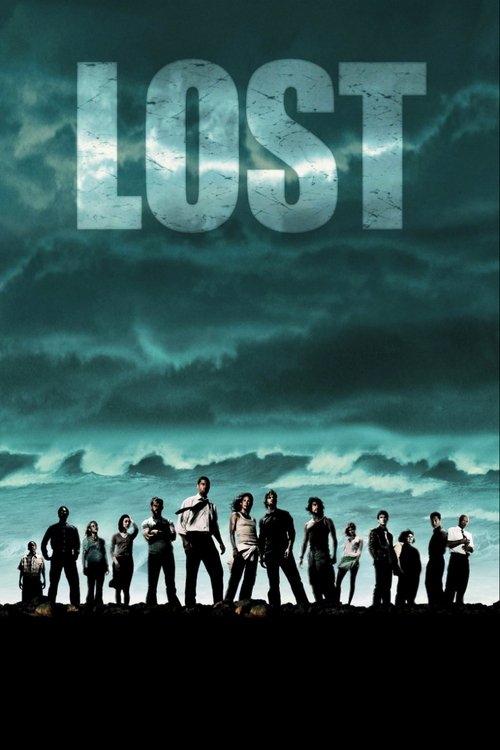
4. Lost
Talk about a water cooler show. This was appointment viewing, a serialized mystery box that demanded theorizing. It blended sci-fi, drama, and survival, showing how a sprawling ensemble cast could carry multiple, intertwined storylines. The cinematic scope, the flashbacks, the mythology – it pushed the boundaries of what a network show could attempt, even if the ending divided everyone.
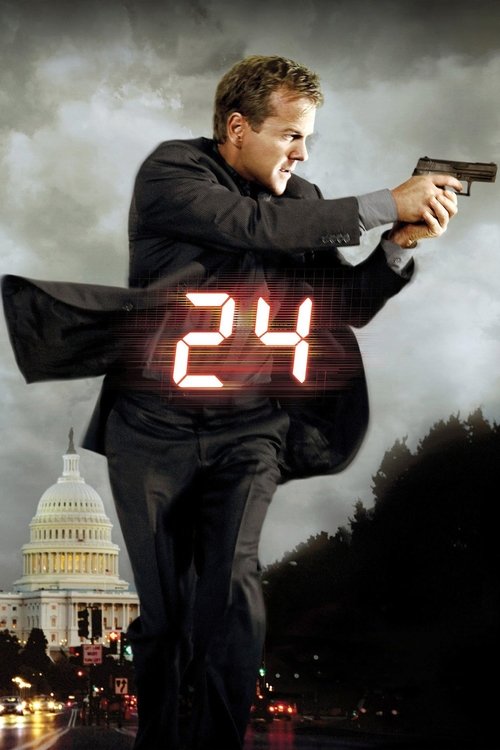
5. 24
This show was pure adrenaline. The real-time format was a game-changer, making every episode feel like a ticking bomb. It was a procedural, sure, but the constant cliffhangers and serialized threats kept you glued. Jack Bauer redefined the action hero for TV, making intense, cinematic storytelling a weekly event. It proved television could deliver relentless, high-stakes thrills.

6. Six Feet Under
Another HBO game-changer. This one tackled death head-on, but it was really about life, family, and coping with grief in profoundly human ways. Its surreal touches, its deeply flawed yet relatable characters, and its fearless approach to existential themes made it unique. It showed cable's freedom allowed for incredibly intimate, character-driven drama that could break your heart every week.