

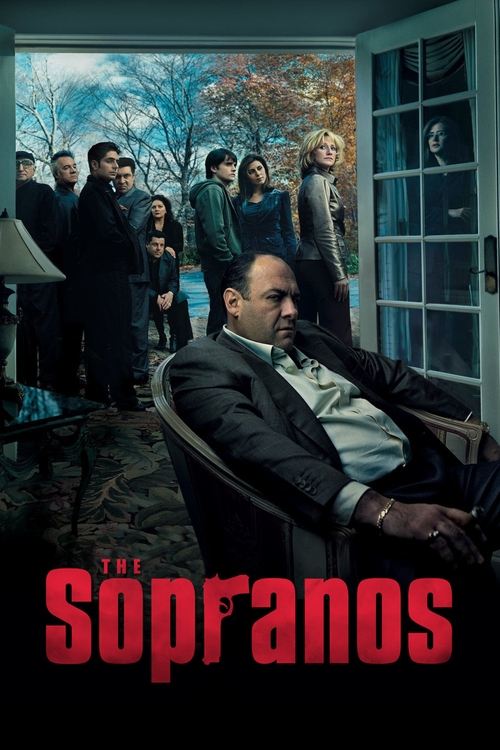
1. The Sopranos
Before Tony Soprano, TV crime bosses were mostly caricatures. This show brought cinematic depth to the small screen, digging into a mobster's psyche and family life with unflinching honesty. It wasn't just a drama; it was a weekly masterclass in character study and long-form narrative, proving cable networks could tell stories broadcast wouldn't dare touch. This wasn't background noise; it was appointment viewing, forcing you to pay attention.
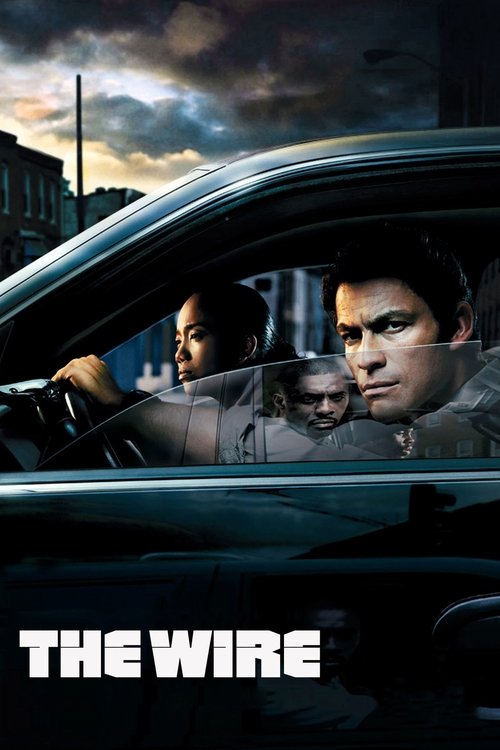
2. The Wire
Forget simple good guys versus bad guys. *The Wire* presented Baltimore as a living, breathing organism, dissecting institutions from policing to politics with surgical precision. Its ensemble cast was immense, each season building on the last, demanding viewers invest in its intricate, serialized narrative. This wasn't just crime drama; it was a novel for television, showing the profound impact of systemic failure.
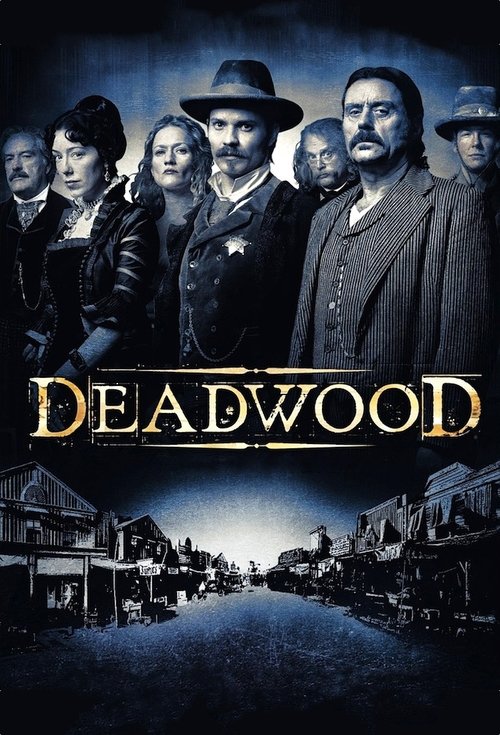
3. Deadwood
*Deadwood* was raw, visceral, and unapologetically foul-mouthed, pushing boundaries cable TV was just starting to explore. Its dialogue, rich and Shakespearean despite the grit, elevated a historical period piece beyond simple Western tropes. The sprawling ensemble cast and its cinematic scope proved that television could deliver a narrative as dense and character-driven as any big-screen epic, just spread out over years.
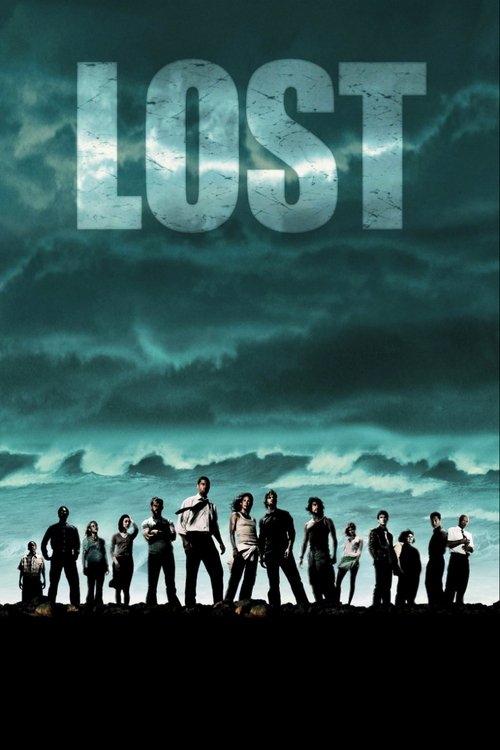
4. Lost
*Lost* redefined the serialized mystery box, making weekly theorizing a national pastime. Its sprawling ensemble, stranded on that enigmatic island, kept you hooked with flashbacks and cliffhangers that demanded you tune in or catch up later. This show, with its intricate mythology, was an early indicator of how television could build a global community, paving the way for later on-demand binge-watching habits.
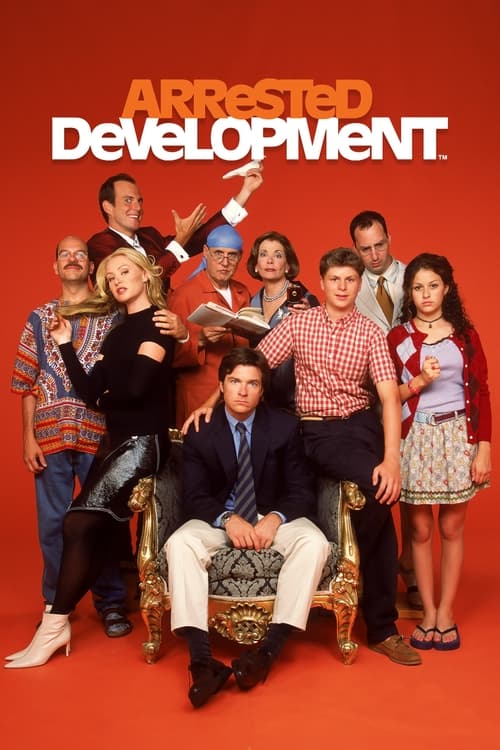
5. Arrested Development
*Arrested Development* was a comedy unlike any other, pioneering the mockumentary style for sitcoms with a relentless pace and layered jokes. Its dense, referential writing rewarded repeat viewings, a perfect fit for the emerging on-demand landscape where you could pause and rewind. It proved that smart, meta-comedy could thrive, even if it took a while for mainstream audiences to catch on to its brilliance.
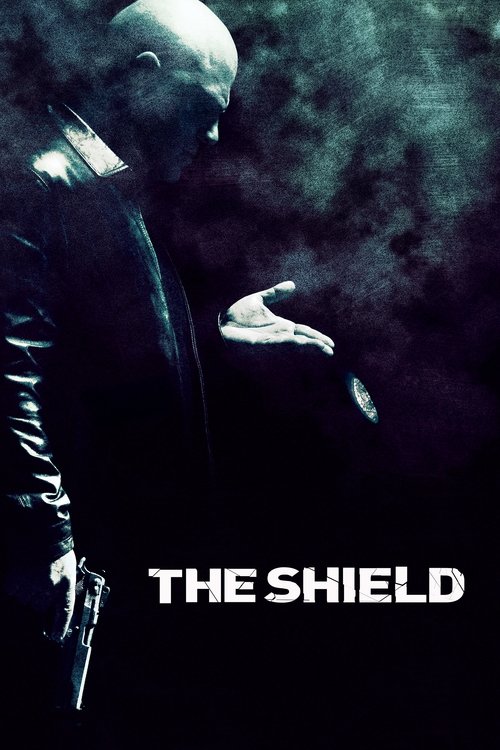
6. The Shield
Vic Mackey wasn't a hero; he was a brutal anti-hero leading a corrupt police unit, and *The Shield* didn't flinch from showing his moral ambiguity. This was cable pushing boundaries, delivering a gritty, serialized crime drama with high stakes and real consequences. It showcased that television could handle morally complex characters and long-form storytelling that challenged viewers, moving far beyond typical procedural fare.