
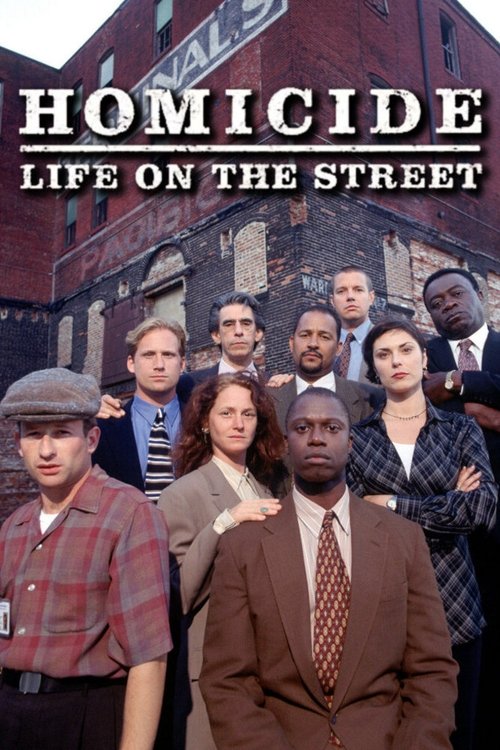
1. Homicide: Life on the Street
Before everyone was talking about 'cinematic television,' *Homicide* was already doing it on network TV. Barry Levinson brought a raw, handheld aesthetic that felt more like independent film than a police procedural. It wasn't about the case-of-the-week; it was about the grind, the messy humanity of the detectives, building a serialized world on a broadcast schedule that pushed boundaries for character depth and visual storytelling.
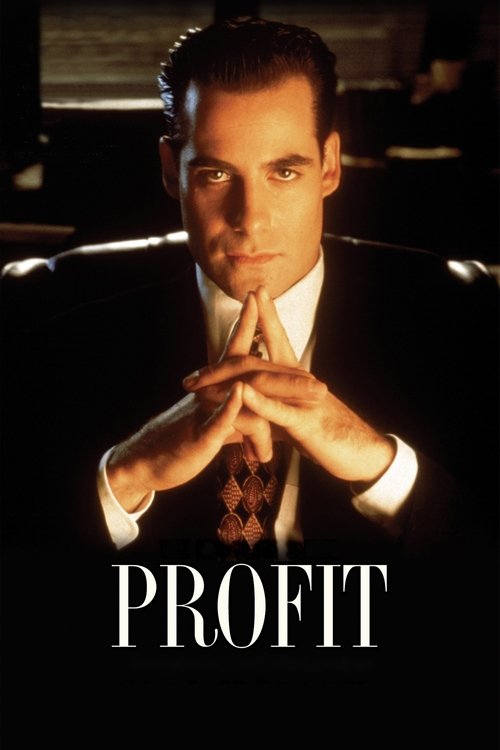
2. Profit
This show was a jolt, a dark, cynical precursor to the anti-hero wave that would define cable. Jim Profit was a corporate psychopath, and Fox put him on network television, albeit briefly. It was too much for mainstream audiences then, but its unapologetic embrace of amorality and serialized ambition showed what was possible when creators dared to go truly dark, hinting at the cable era's risk-taking.
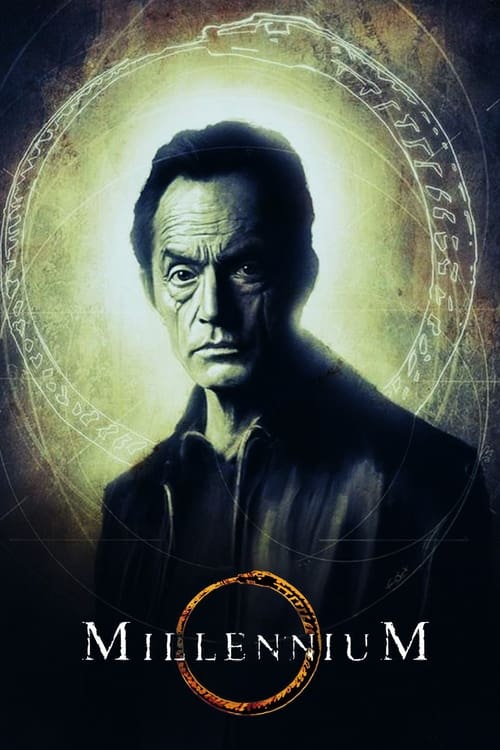
3. Millennium
From Chris Carter, *Millennium* plunged deep into the dark side of humanity, often going places *The X-Files* only hinted at. It was relentlessly bleak, a psychological thriller with an almost gothic atmosphere. Network TV hadn't really seen anything this serialized and thematically heavy in horror, proving that a dedicated audience would follow a complex, unsettling narrative over multiple seasons, even if it wasn't a monster-of-the-week.

4. Sports Night
Sorkin's rapid-fire dialogue and walk-and-talks got their network debut here, setting a template. It was a comedy, but with genuine dramatic stakes and a palpable sense of workplace family. This show blurred the lines between sitcom and drama, proving that smart, ensemble-driven storytelling could thrive in a 30-minute format, laying groundwork for sophisticated workplace narratives that weren't just about punchlines.
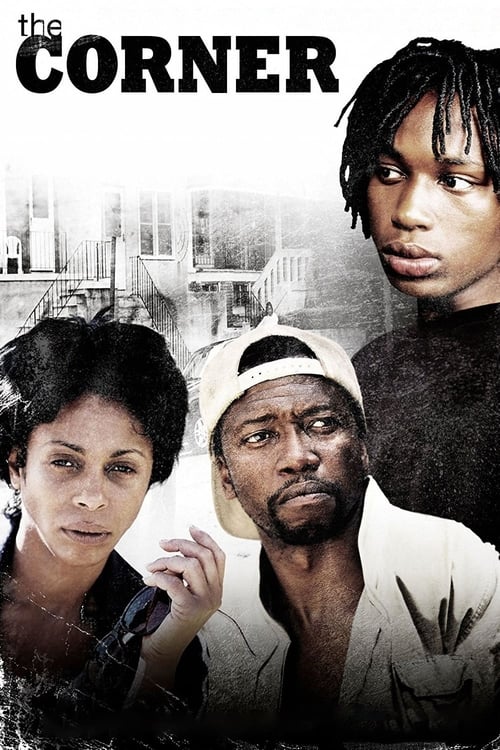
5. The Corner
This HBO miniseries was a gut-punch, a raw, unflinching look at drug addiction in West Baltimore. David Simon and Ed Burns brought their documentary sensibility to fiction, grounding the narrative in painstaking realism. It wasn't just a story; it was a deeply researched, empathetic exploration of a community, a clear precursor to *The Wire*'s serialized, sociological ambition and HBO's commitment to prestige drama.
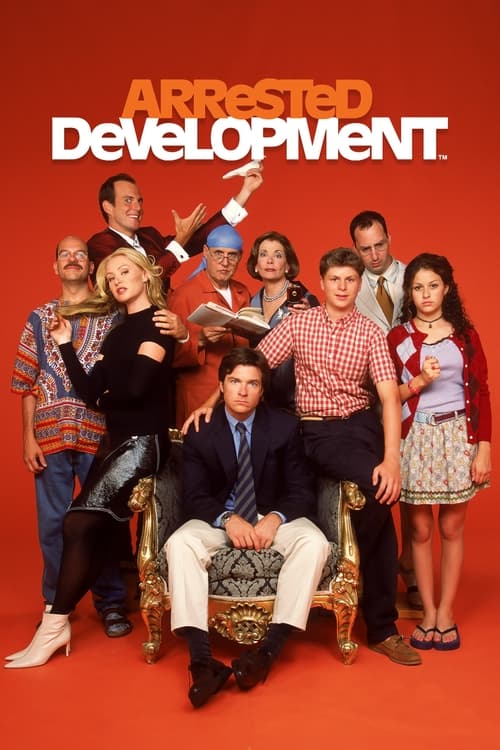
6. Arrested Development
This show redefined the sitcom. Its mockumentary style, dense recurring gags, and serialized callbacks demanded attention, rewarding rewatches long before binge-watching was a term. It was smart, fast, and relentlessly funny, creating a blueprint for comedy that didn't just tell jokes but built an intricate, self-referential world. It was a cult hit that felt ahead of its time, perfect for a nascent on-demand future.