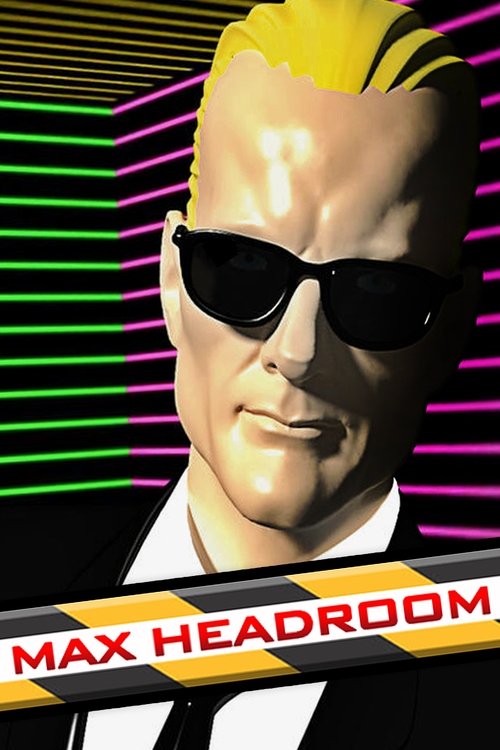
1. Max Headroom
This wasn't just a show; it was a goddamn manifesto. A glitch-art avatar dropped into a dystopian near-future, spitting rapid-fire critiques of media obsession and corporate control. The analog-digital hybrid effects were mind-bending, a true proto-cyberpunk vision that felt like it was beamed straight from a pirate station in the year 2000. It predicted our screen-addicted lives before we even had the internet. Pure, unadulterated cathode rebellion.
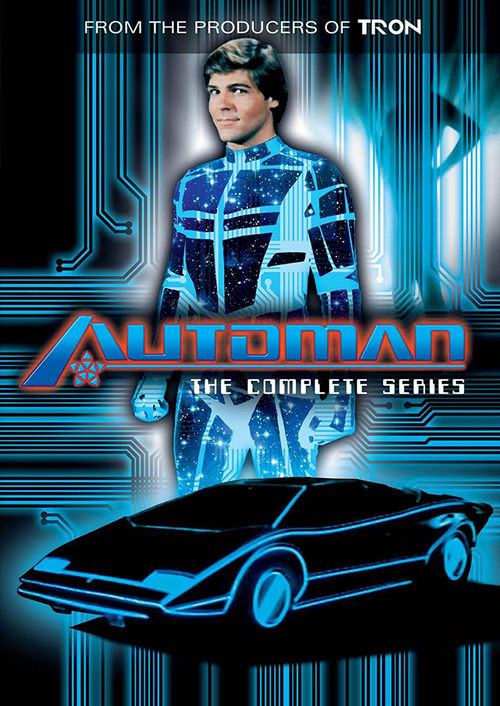
2. Automan
Yeah, the premise was a computer program that could manifest in the real world, fighting crime with a light-cycle and a sidekick. It was *Tron* on a TV budget, basically. The glowy wireframe effects were clunky as hell, but back then, they were cutting edge, a promise of a digital future clumsily rendered in neon. It had that early 80s sci-fi ambition, mixing cop show tropes with truly weird visual ideas. A glorious, pixelated mess.
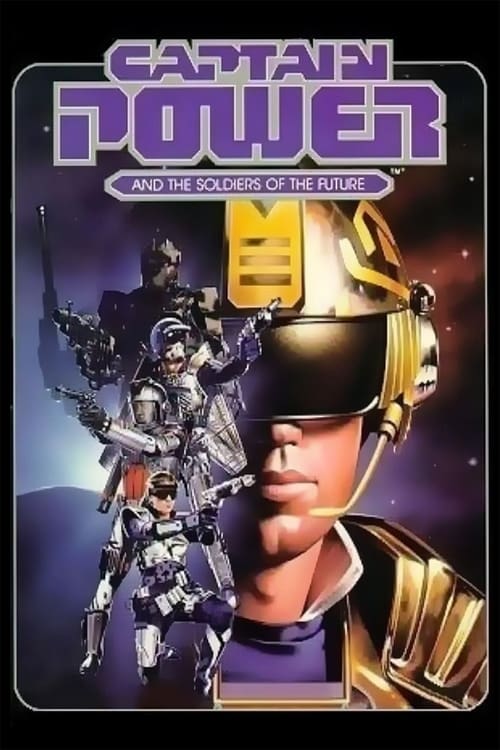
3. Captain Power and the Soldiers of the Future
Man, this show was bleak. Post-apocalyptic future, robots hunting humans, early CGI that was somehow both terrible and terrifying. What really made it wild was the interactive toy gimmick – shoot your blaster at the TV screen, and the show reacted. It was a dark, syndicated marvel, pushing boundaries with its mature themes and crude digital effects, a true precursor to the darker sci-fi we’d see later. Bleak as hell, and absolutely essential.
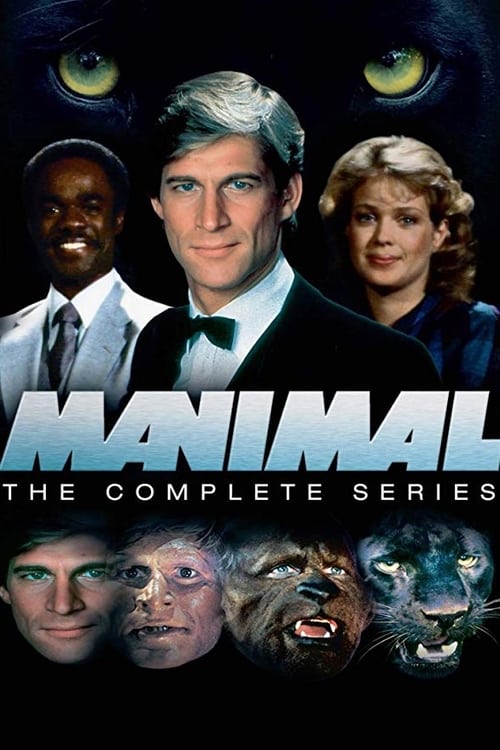
4. Manimal
A doctor who could turn into any animal to fight crime? On paper, it sounds like a Saturday morning cartoon. But *Manimal* played it straight, with those incredible, rubbery, practical transformation effects that were simultaneously ridiculous and mesmerizing. It lasted eight episodes, a glorious testament to 80s network executives greenlighting anything with a vaguely supernatural hook. It was a bizarre, short-lived experiment, a cult classic before 'cult classic' was even a thing. Raw, unhinged analog weirdness.
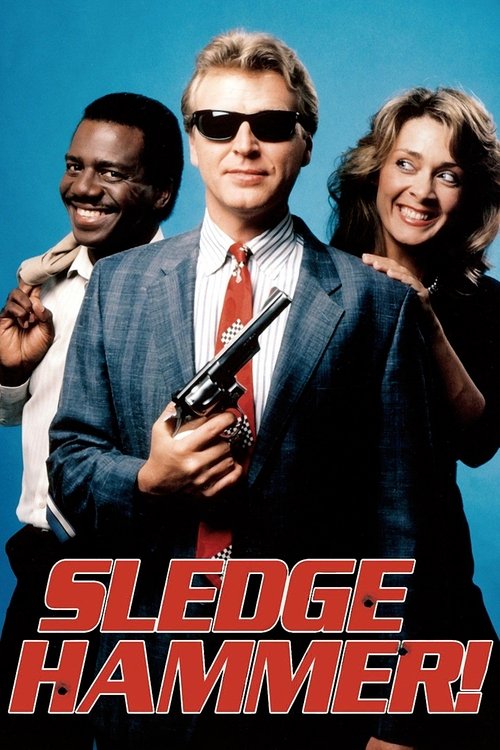
5. Sledge Hammer!
"Trust me, I know what I'm doing." This show was a glorious, over-the-top send-up of every hard-boiled cop cliché, but dialed up to eleven. Sledge Hammer, with his pearl-handled .44 Magnum and casual disregard for procedure (and public safety), was pure anarchy. It was dark, absurd, and surprisingly sharp satire, a syndicated gem that understood the ridiculousness of action tropes better than the action shows themselves. A violent, comedic punk rock burst on the small screen.

6. Tales from the Darkside
George A. Romero's answer to *Twilight Zone*, but way grungier, weirder, and often genuinely unsettling. This anthology delivered weekly doses of low-budget horror, leaning heavily on practical effects, unsettling atmosphere, and twist endings that stuck with you. It had that distinct, slightly off-kilter vibe that felt perfectly suited for late-night cable, a true precursor to the kind of genre-bending weirdness that would later define indie horror. Pure, unadulterated analog dread.