

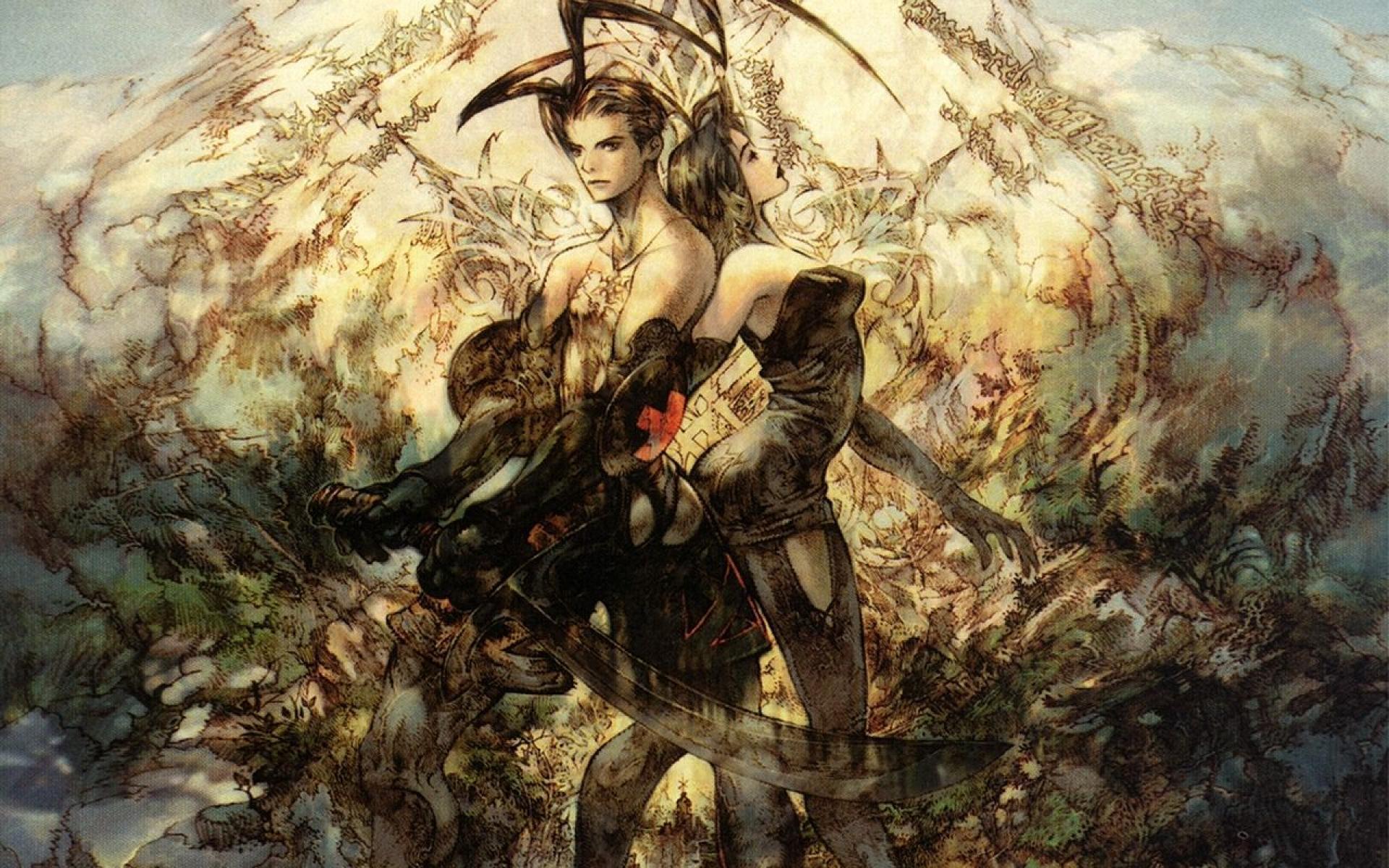
1. Vagrant Story (2000)
Man, Square was really out there with this PS1 gem. Vagrant Story was a masterclass in atmosphere and intricate combat mechanics, demanding real thought with its body part targeting and weapon customization. It shunned easy answers for a complex, mature narrative. Maybe its deliberate pace and deep systems were just too much for a mainstream audience chasing flashier titles, but it’s a shame it never got the widespread recognition it deserved, given its sheer ambition.
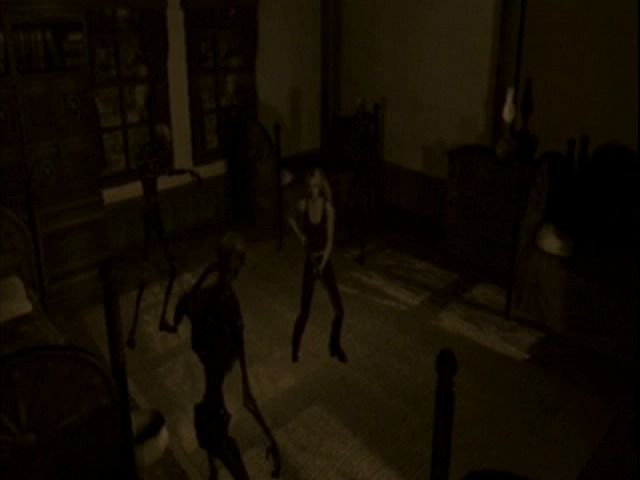
2. Eternal Darkness: Sanity's Requiem
This GameCube horror wasn't just scary; it messed with your head. Silicon Knights crafted a brilliant sanity system that broke the fourth wall, making you question your own console and save files. It was an audacious move, a true psychological thriller. But being a GameCube exclusive in an era dominated by PS2 meant fewer eyes ever truly appreciated its unsettling genius and groundbreaking narrative trickery.
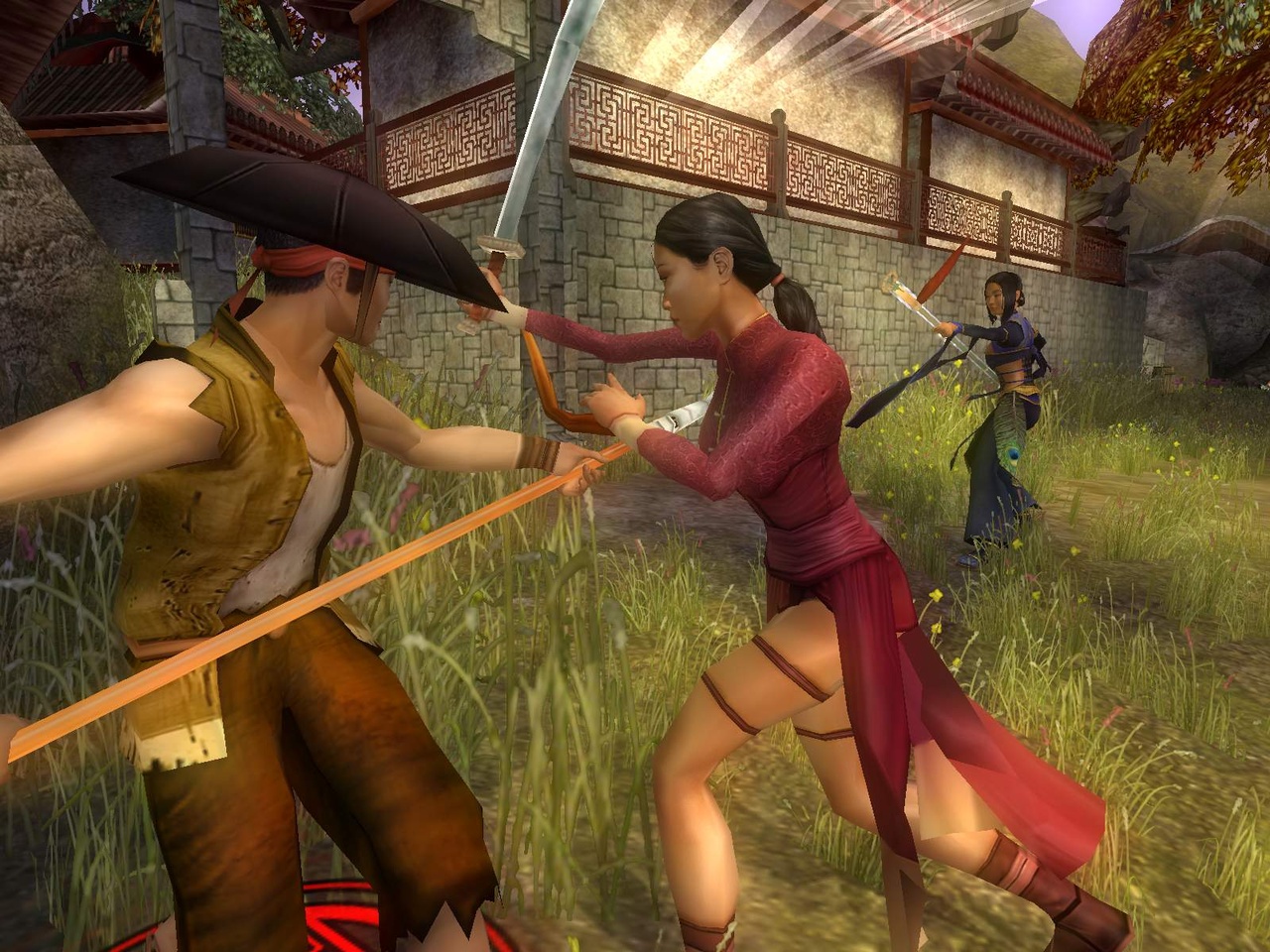
3. Jade Empire
BioWare took a huge swing with a Wuxia-inspired RPG on the original Xbox, far removed from their typical fantasy or sci-fi. Its unique martial arts combat and a compelling moral alignment system felt fresh. While it had that signature BioWare charm and world-building, it arguably came out before they hit their stride with Mass Effect, and perhaps its distinct setting was a bit too niche for the broader audience at the time.
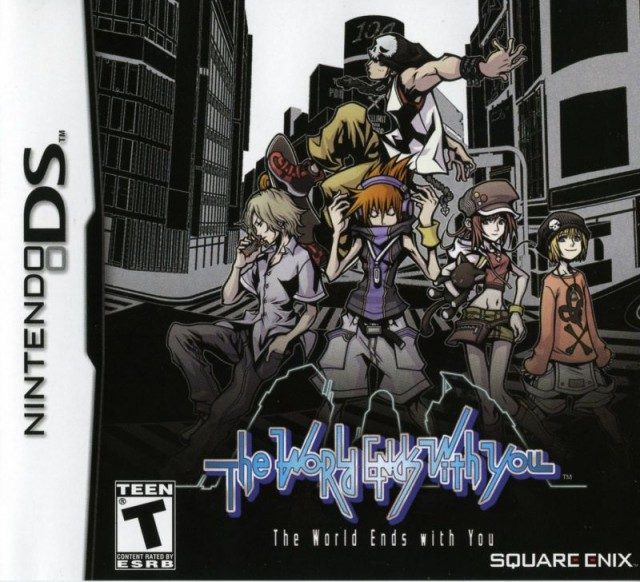
4. The World Ends With You DS
Talk about a game perfectly tailored for its platform! TWEWY on the DS was pure Shibuya street style, blending a killer soundtrack with a dual-screen combat system that was a frantic, strategic ballet. It was bold, quirky, and genuinely innovative, but its very reliance on the DS's unique features probably limited its reach, making it a cult classic rather than a mainstream hit.
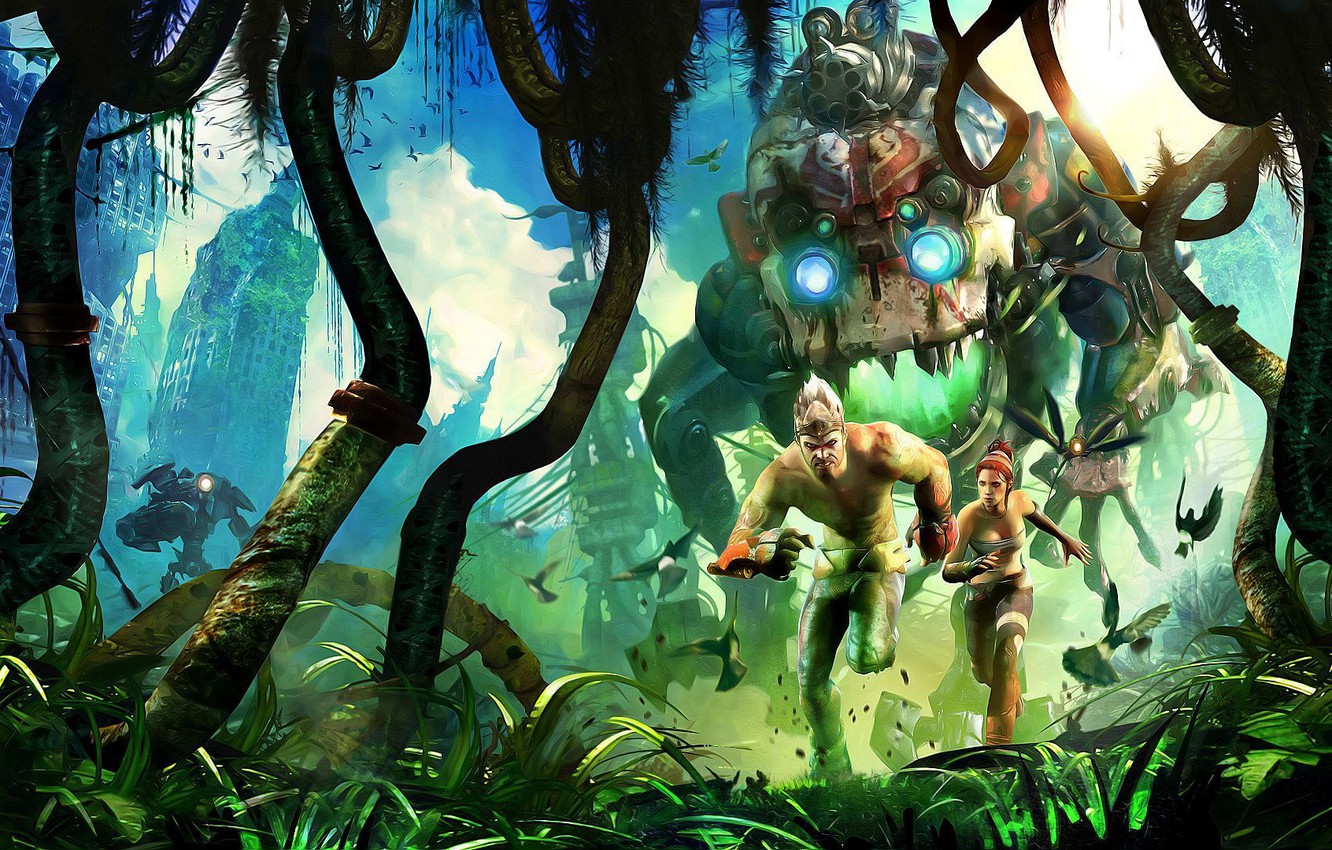
5. Enslaved: Odyssey to the West
Ninja Theory crafted a gorgeous, character-driven adventure on the PS3/Xbox 360 that felt like a playable Pixar movie. The dynamic between Monkey and Trip was exceptional, and the post-apocalyptic visuals were stunning. Yet, it landed in a crowded market of generic action games. It was a heartfelt, linear story that didn't chase open-world trends, and sadly, it paid the price for its artistic integrity.
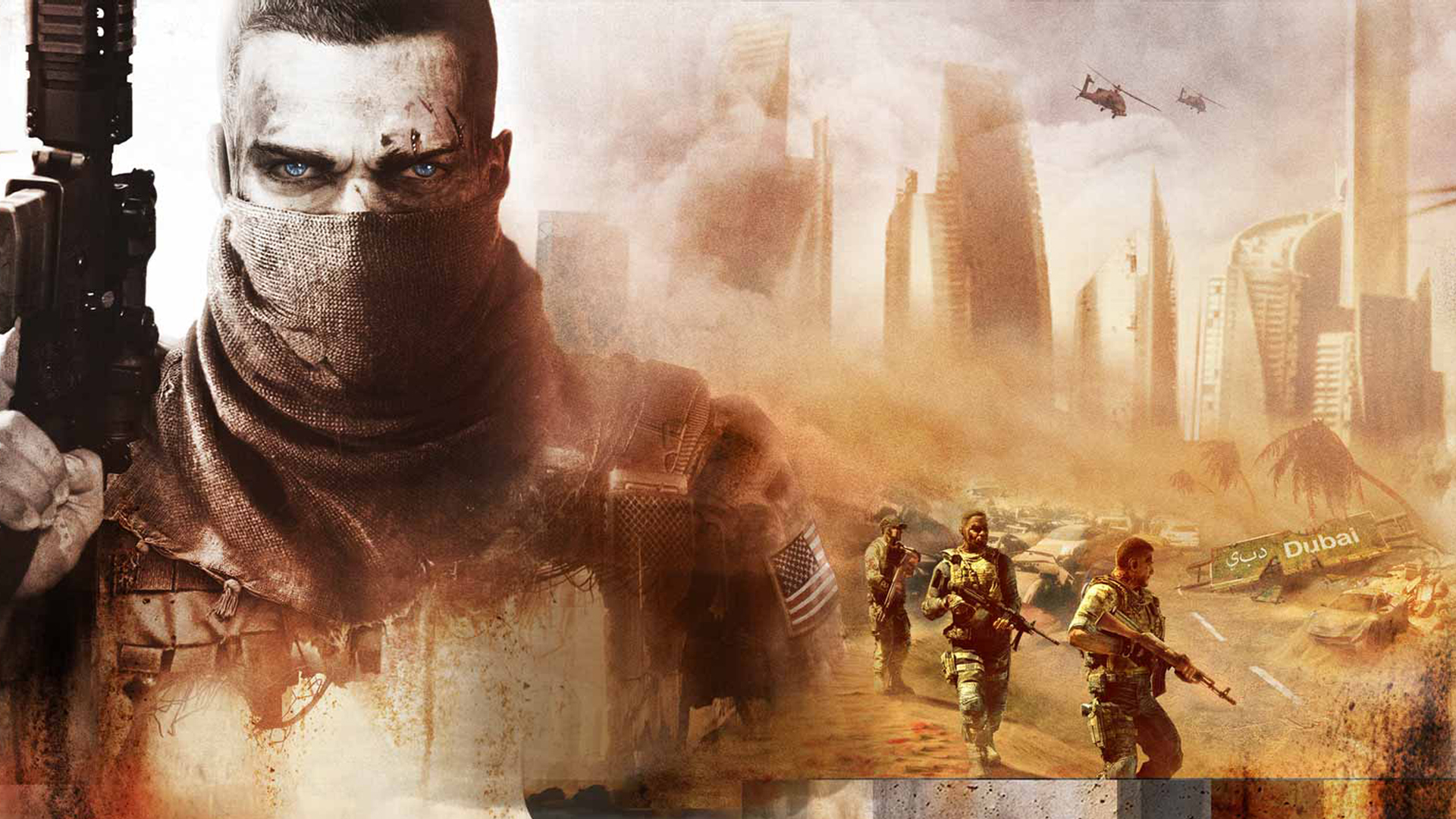
6. Spec Ops: The Line
Yager Development pulled off a narrative masterpiece, selling it as a generic military shooter then systematically dismantling the genre's tropes and player expectations. On PS3/Xbox 360/PC, it forced uncomfortable moral choices, exploring the horrors of war and the player’s complicity with a brutal honesty rarely seen. Many dismissed it as 'just another shooter' without ever realizing the profound, self-critical journey it offered.