

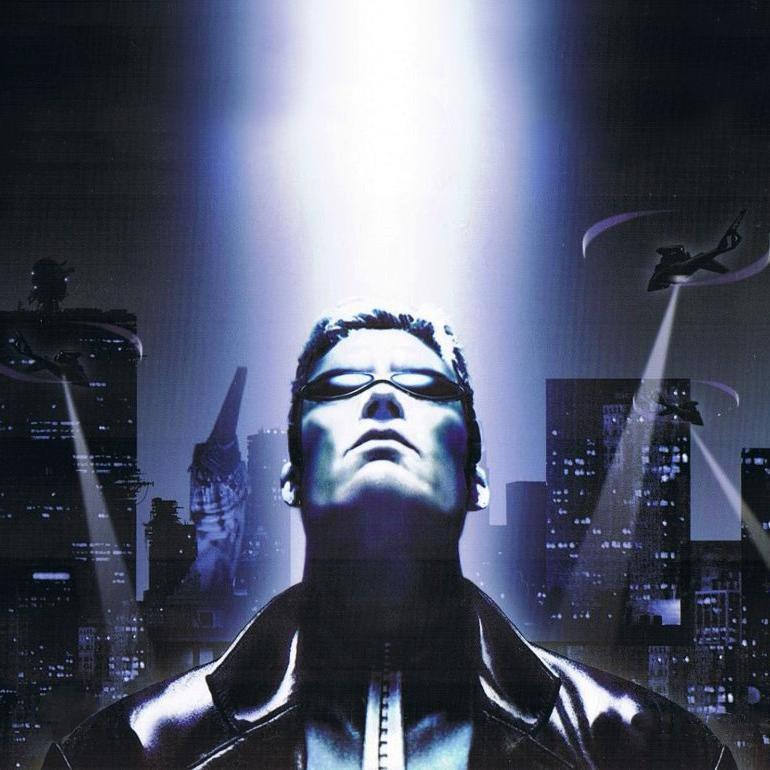
1. Deus Ex
When *Deus Ex* landed in 2000, it wasn't just another shooter; it was a revelation. It offered unparalleled player agency, letting you approach objectives with stealth, diplomacy, or sheer firepower, all while navigating a genuinely complex cyberpunk conspiracy. The game’s blend of RPG depth, branching narratives, and a world steeped in real-world anxieties about technology and control made it a benchmark. It was ahead of its time, demonstrating how player choice could profoundly shape an experience, and its influence echoes in countless games even today, often more subtly than overtly.
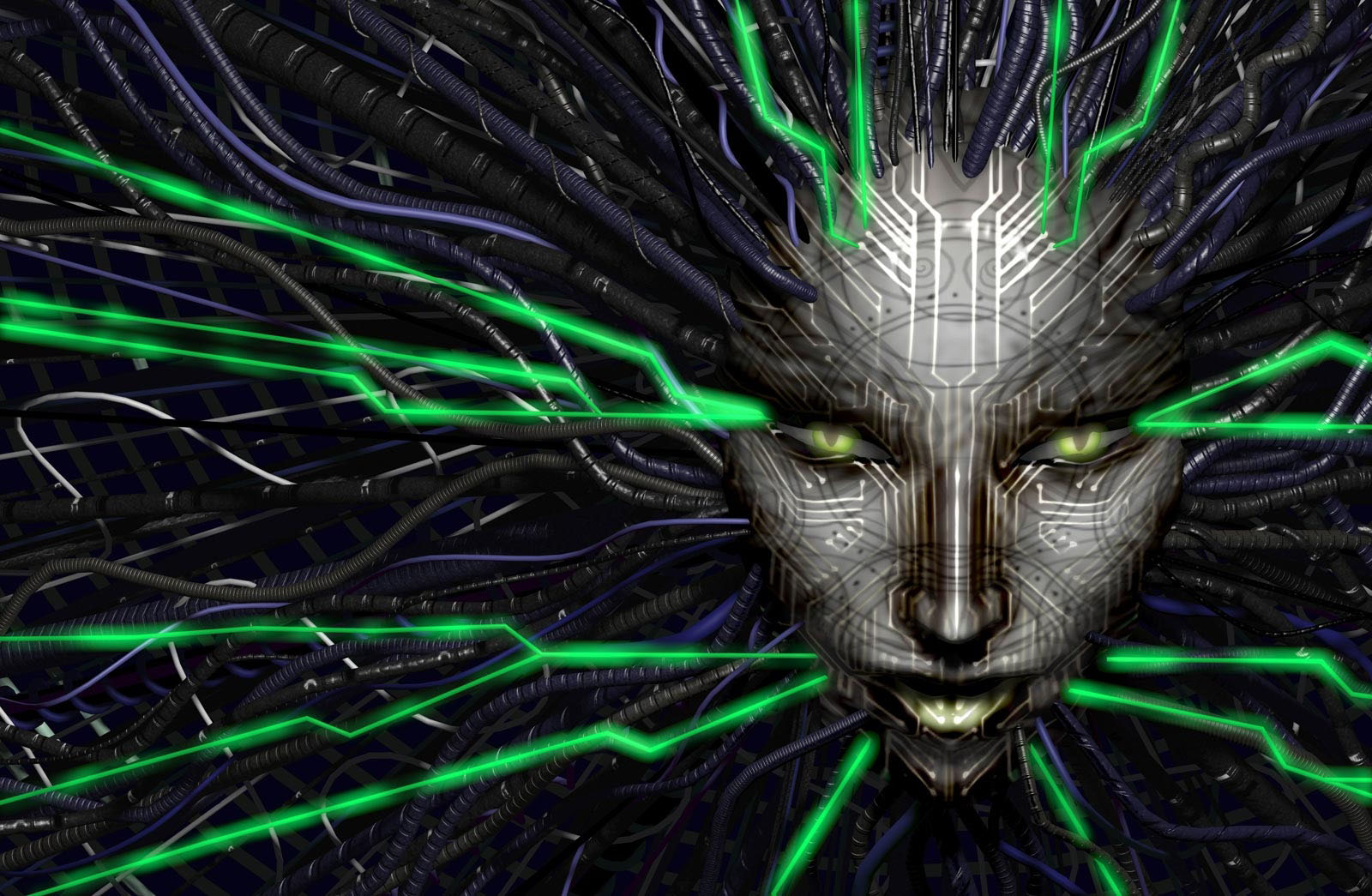
2. System Shock 2
*System Shock 2* from 1999 plunged players into a horrifying sci-fi nightmare aboard the Von Braun. It expertly fused first-person shooting with deep RPG mechanics and a pervasive sense of dread, creating an experience that was both mechanically rich and psychologically unsettling. SHODAN remains one of gaming's most iconic antagonists, her omnipresent taunts driving home the isolation and helplessness. It pioneered elements of environmental storytelling and emergent gameplay that many titles would later emulate, laying crucial groundwork for games like *BioShock* and setting a high bar for atmospheric horror.

3. Okami
*Okami*, released on the PS2 in 2006, was a vibrant, cel-shaded masterpiece that felt like a playable Japanese scroll painting. Its unique Celestial Brush mechanic allowed players to literally paint solutions into the world, offering a refreshing twist on puzzle-solving and combat. While critically acclaimed, its sales didn't initially match its artistic ambition, making it a cult classic. The game's stunning art style, memorable characters, and heartfelt narrative, deeply rooted in Japanese mythology, cemented its place as one of the most beautiful and innovative action-adventure titles of its era.
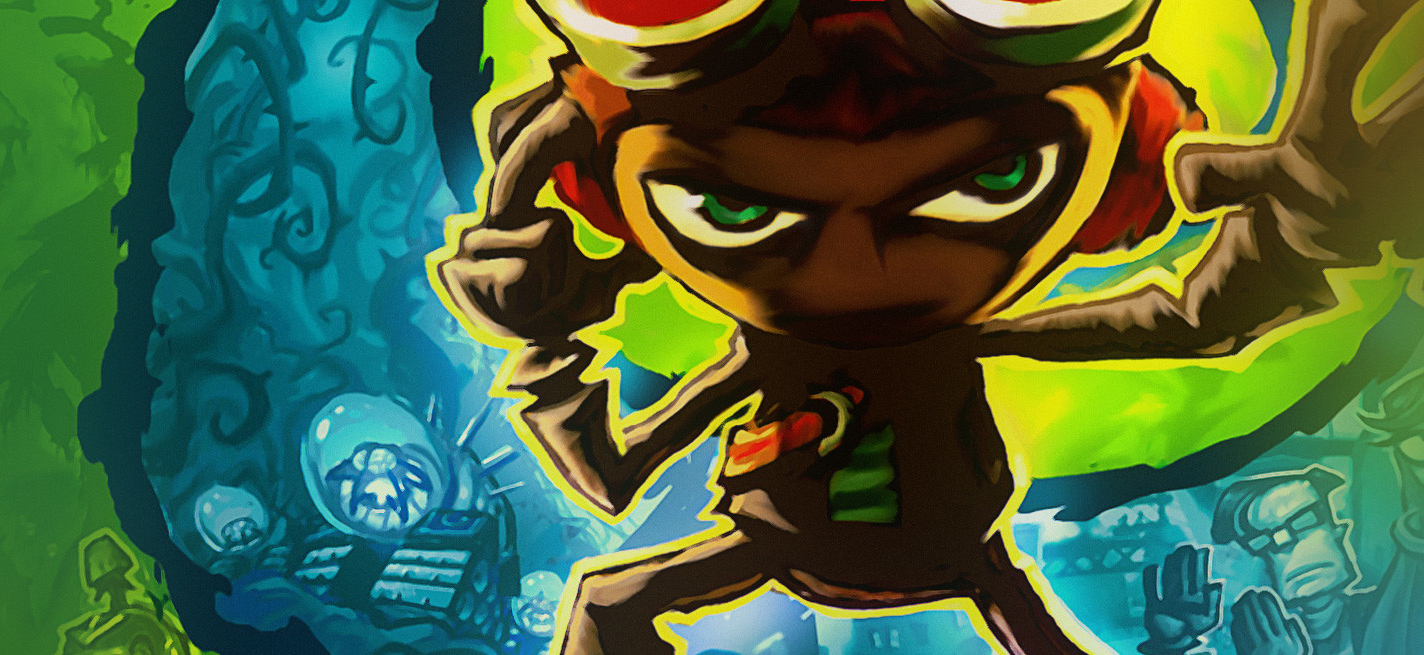
4. Psychonauts
Double Fine’s *Psychonauts*, from 2005, was a quirky, imaginative platformer that took players on a journey through the minds of eccentric characters. Each mental world was a wildly creative, unique level design, reflecting the neuroses and desires of its inhabitant. Despite its critical adoration for its sharp writing, distinct art style, and inventive gameplay, it struggled commercially upon release. It’s a game that perfectly blends humor, heart, and genuinely clever mechanics, eventually finding its audience through re-releases and word-of-mouth, solidifying its status as a beloved, unconventional classic.
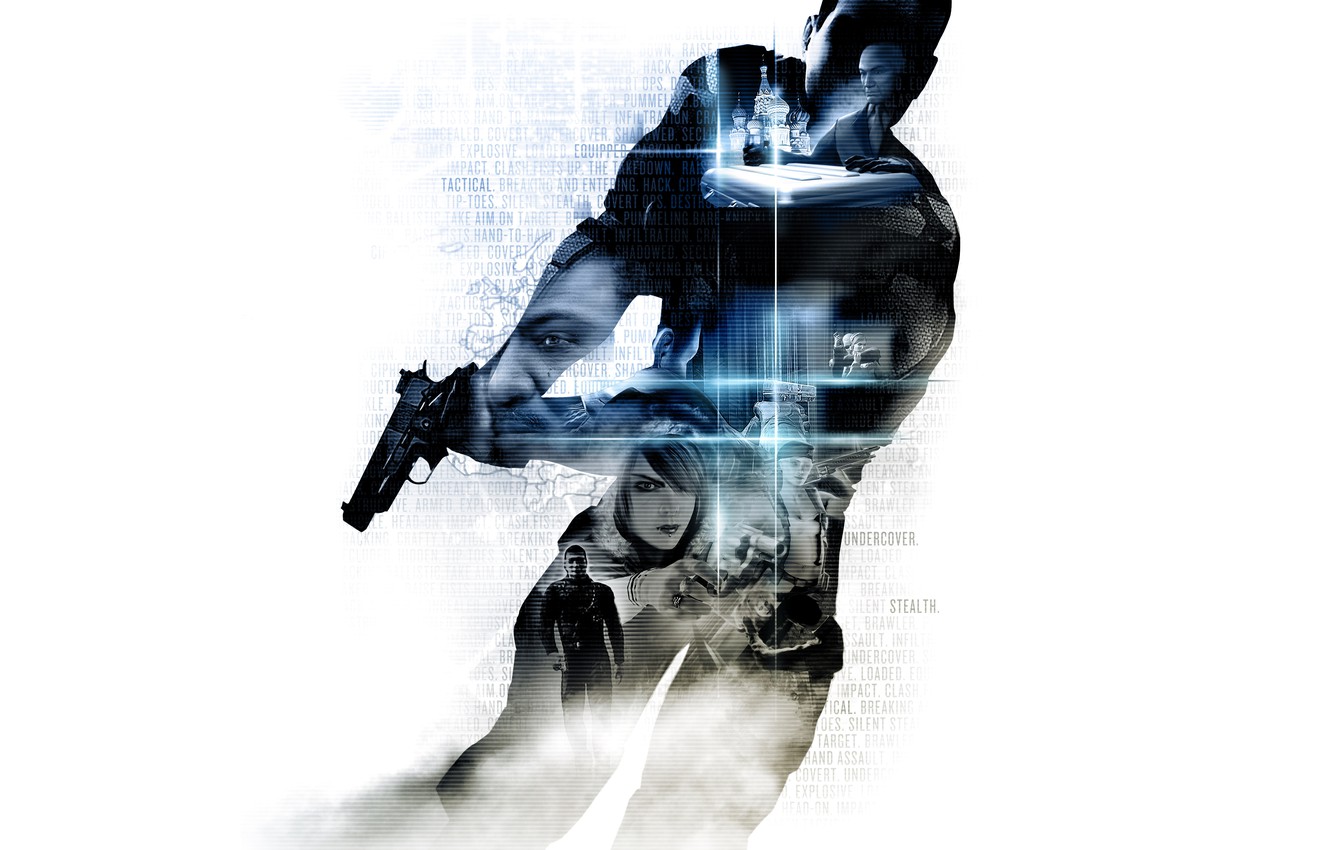
5. Alpha Protocol
*Alpha Protocol*, an Obsidian RPG from 2010, was a fascinating, ambitious take on the spy thriller genre. It promised a reactive narrative where every choice, every conversation branch, and even failed missions had genuine consequences, shaping your character and the world. While it launched with technical issues and uneven combat, its commitment to player agency and branching storylines was truly groundbreaking. It was an imperfect gem, a game that dared to give players unprecedented narrative control in a modern espionage setting, proving that player choice could be genuinely impactful.

6. Pathologic 2
*Pathologic 2*, released in 2019, isn't just a survival game; it's a brutal, existential ordeal. Set in a plague-ridden town, it throws players into an unwinnable situation, forcing impossible choices and constant compromises. It’s a masterclass in atmospheric storytelling and psychological horror, where every resource is scarce, and every interaction carries weight. The game doesn't just tell you about desperation; it makes you feel it, pushing the boundaries of what a narrative experience can be. It’s a challenging, unforgettable, and profoundly melancholic journey into the heart of human suffering.