
1 / 6
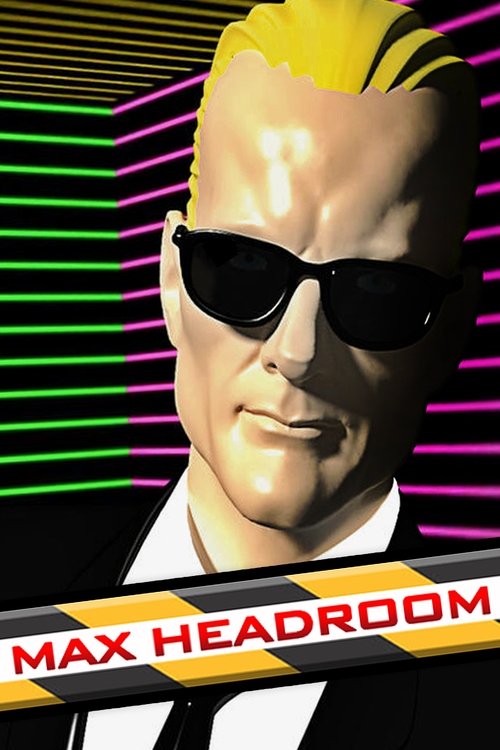
1. Max Headroom
Man, Max Headroom was like a glitch in the matrix before we even knew what that meant. This 1987 series amplified the digital punk aesthetic, shoving a hyper-sarcastic AI into our living rooms. The analog distortion effects, that stuttering voice, it was all so raw and ahead of its time. It dared to criticize media itself, wrapped in neon cyberpunk visuals. Way too smart for network TV, and it got cut short, naturally. Still echoes, though.
2 / 6
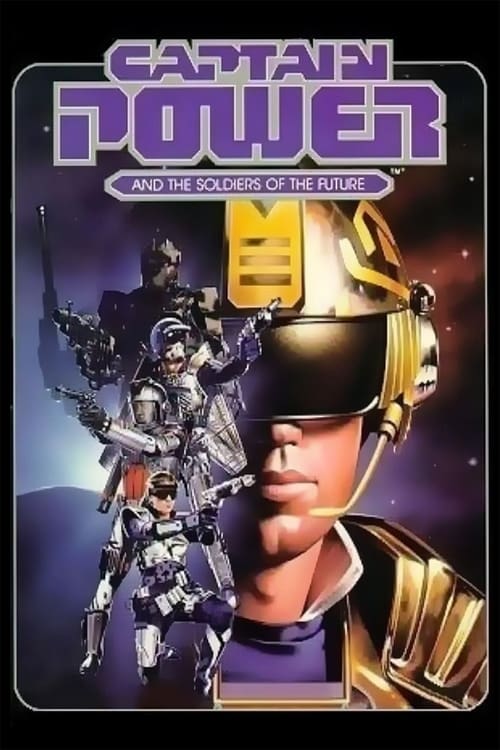
2. Captain Power and the Soldiers of the Future
Talk about grim! This 1987 syndicated show dropped us into a brutal, post-apocalyptic future where machines had won. It felt like a fever dream for kids, with early, clunky CGI trying to render Bio-Dreads and flying battle suits. The tie-in toys that shot at the screen were wild, but the darkness, the death, the sheer hopelessness for a children's show? That’s what got under your skin. Pure proto-dystopia.
3 / 6
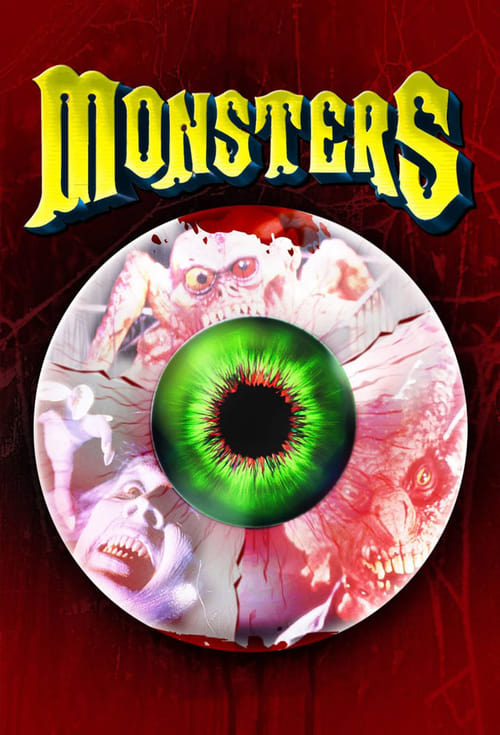
3. Monsters
Forget the polished anthologies. Monsters, from 1988, was the grimy, practical effects-driven cousin that lurked in the late-night syndicated slots. Every week brought a new creature feature, often with a twisted punchline or just pure, unsettling weirdness. The creature designs were gloriously low-budget, tactile, and often genuinely creepy. It proved you didn’t need a big budget to deliver a punch; just some latex, a good idea, and a dark imagination.
4 / 6
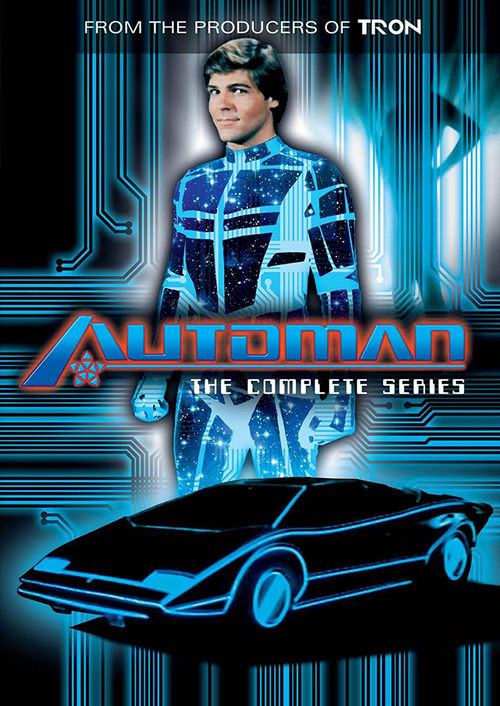
4. Automan
This was pure, unadulterated 1983 neon-soaked genius. Automan literally jumped out of a computer screen, a glowing, light-grid hero with a Lamborghini that could make 90-degree turns. It was "Tron" meets "Miami Vice" before "Miami Vice" was even a thing. The special effects were rudimentary but bold, a vibrant splash of early digital ambition on network TV. It was ridiculous, but damn if it wasn’t a wild ride of proto-cyberpunk maximalism.
5 / 6
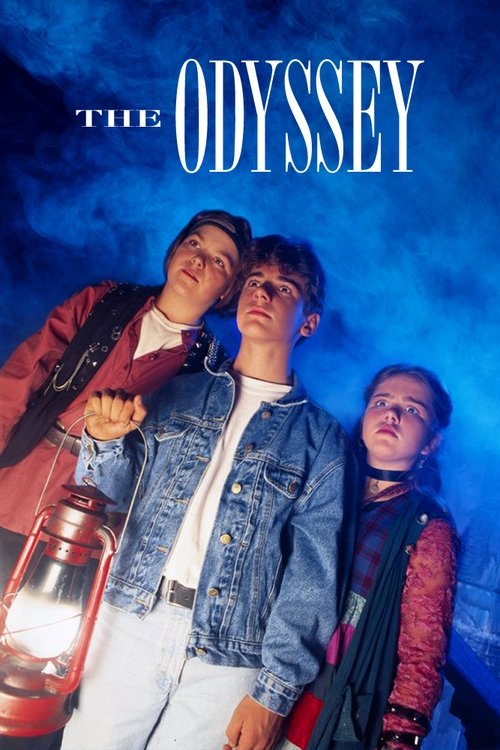
5. The Odyssey
This 1992 Canadian gem was a genuinely unsettling kids' show, pushing boundaries with its surreal 'Downworld' setting. It followed a kid in a coma, grappling with his subconscious fears and hopes, while his real-world friends tried to wake him. It felt like a nightmare you couldn't shake off. The themes were heavy, the visuals often abstract and dreamlike. It wasn't just a show; it was an experience, a real head trip.
6 / 6

6. Forever Knight
Before vampires were sparkly, there was Nick Knight, a 1992 syndicated Toronto detective who just happened to be an immortal bloodsucker. This show was moody, dripping with urban gothic atmosphere and soap-operatic angst. His eternal struggle with his nature, his past, and his desire for redemption was the core. It hit that sweet spot of brooding intensity and supernatural procedural, paving the way for a whole lot of conflicted monsters.