

1 / 6

1. All in the Family
Ah, now this one really shook things up on the old television set. Archie Bunker, bless his bigoted heart, was a character you loved to despise, or maybe just understood. It was raw, for its time, and didn't shy away from the dinner table arguments folks were having in their own homes. And yet, it was a sitcom, with those quick cuts and canned laughter. A true testament to how television could push boundaries, even when broadcast live-to-tape, capturing performances that felt real, if a bit stagey. A landmark, no doubt.
2 / 6
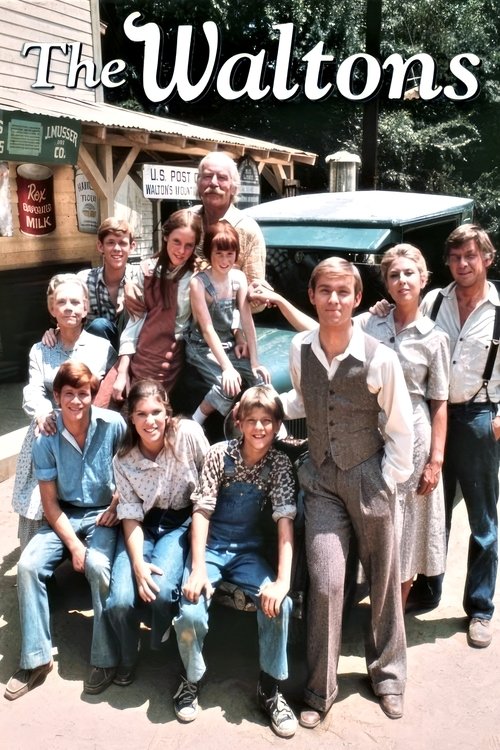
2. The Waltons
Well, here was a program that truly brought families together on a Thursday night. Set during the Depression, the Waltons offered a look at simpler times, where folks pulled together and learned a lesson each week. The black-and-white era might have inspired some of that stark, honest storytelling, though it aired in color. But the sentiment, the warm glow of that mountain home, felt like a return to those earlier anthology dramas, with a strong moral core. It was television as comfort, pure and true.
3 / 6
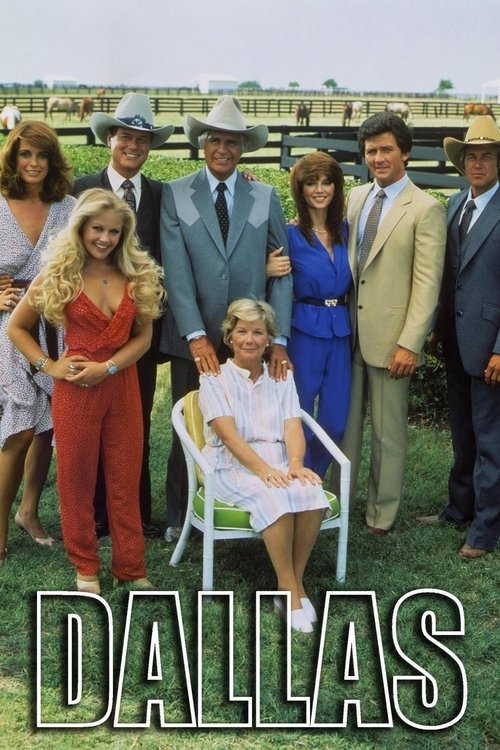
3. Dallas
Now, this was a different animal entirely. Forget your gentle sitcoms; "Dallas" brought the melodrama, the oil, and the backstabbing right into our living rooms. It was a true pioneer in long-form continuity, keeping viewers hooked with cliffhangers that lasted through the summer. Who shot J.R.? That question dominated water cooler talk for months! It was grand, with those sweeping shots of Southfork, and it proved that television could sustain a sprawling, dramatic narrative, week after week, year after year.
4 / 6
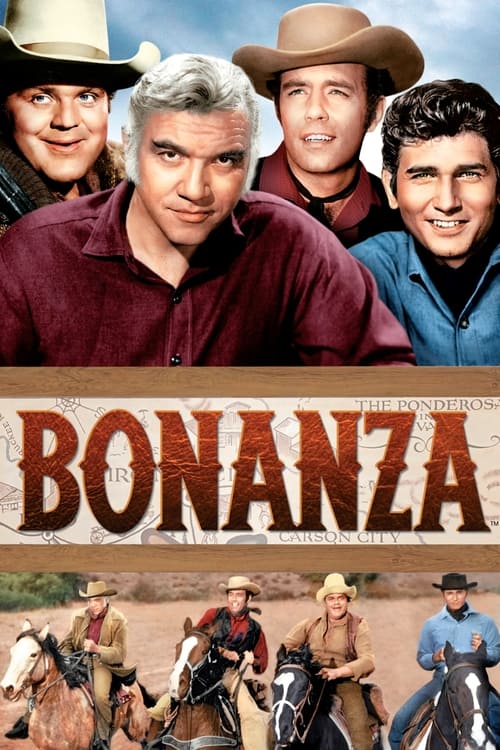
4. Bonanza
Before some of the indoor family dramas, we had the Cartwrights out on the Ponderosa. This was epic, in its own way, a true Western family saga unfolding in vivid color, which was quite a spectacle back then. Ben and his boys, tackling land disputes and moral quandaries, often with a grand, sweeping musical score. Each episode felt like a little movie, teaching lessons about integrity and the American spirit. A Sunday night staple, offering adventure and a strong paternal hand.
5 / 6
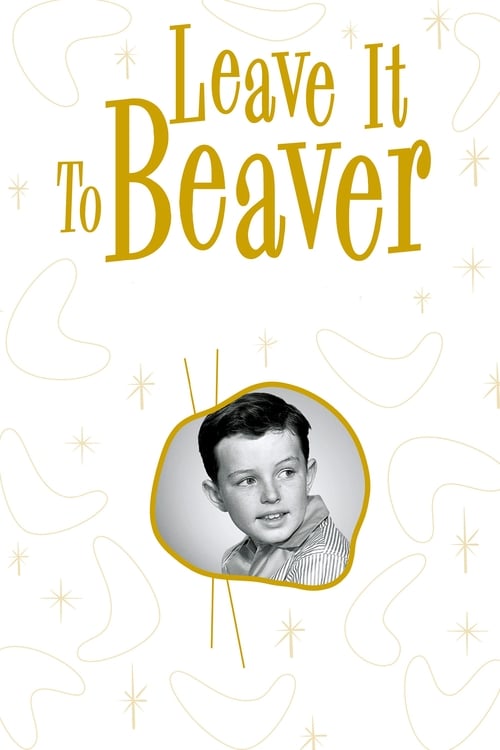
5. Leave It to Beaver
This one, now, that was pure, uncomplicated family viewing. Wally and the Beav, navigating childhood mischief and learning life's little lessons, all under the watchful, patient eyes of June and Ward. It was a black-and-white world of suburban innocence, filmed with a directness that felt like watching a play on a small screen. Each episode was a self-contained story, a gentle episodic rhythm that defined early sitcoms. A reminder of a simpler broadcast era, where problems were neatly tied up in thirty minutes.
6 / 6
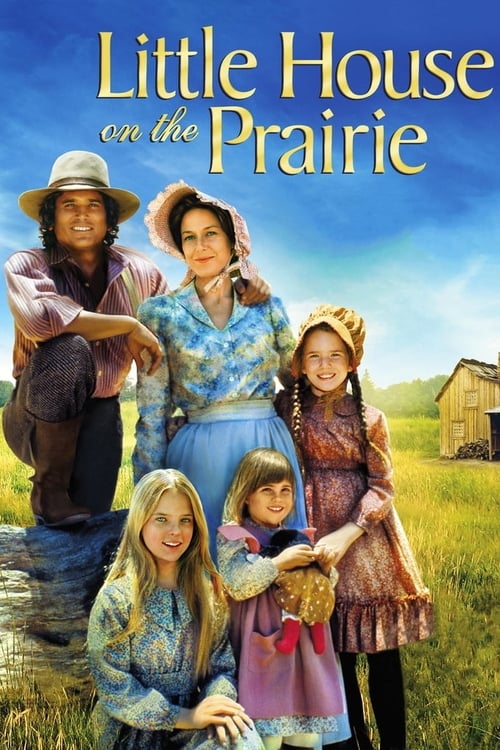
6. Little House on the Prairie
Another program that truly embraced the wholesome family narrative, albeit with a bit more grit than some. The Ingalls family, pioneers building a life on the frontier, faced hardships that were genuinely moving. It continued that tradition of moral storytelling, often with a tear in the eye, much like the anthologies of old. And the scenery, even on a smaller screen, conveyed a sense of sprawling America. It was sentimental, yes, but it connected with audiences who longed for stories of resilience and familial love.