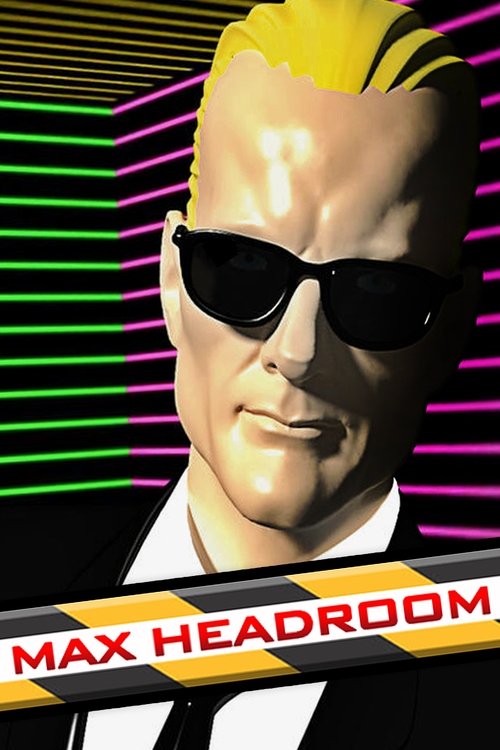
1. Max Headroom
Man, Max Headroom was a glitch in the matrix before we even knew what that meant. This guy, all stuttering pixels and sarcastic quips, felt like the future shouting back at us from a broken TV set. It was neon-drenched dystopia, a commercial gone rogue, wrapped in a sci-fi conspiracy. And that analog distortion? Pure visual poetry, a broadcast anomaly that made you wonder if your VCR was finally breaking down or just getting a peek behind the curtain. It burned itself into your brain, a true cult artifact.
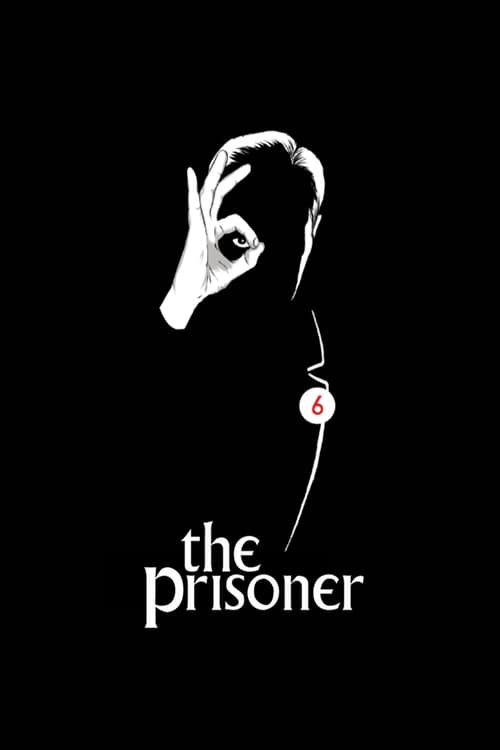
2. The Prisoner
The Prisoner wasn't just a show; it was a state of mind, an inescapable trap dressed up like a vacation. Number Six’s constant struggle against an unseen authority in that bizarre, pastel-colored village felt like a broadcast from another reality. Everything was a test, a puzzle, and it dared you to look away. This wasn't standard procedural fare; it was paranoia distilled, proving that sometimes the strangest stories stick with you the longest. Pure mind-bending television.
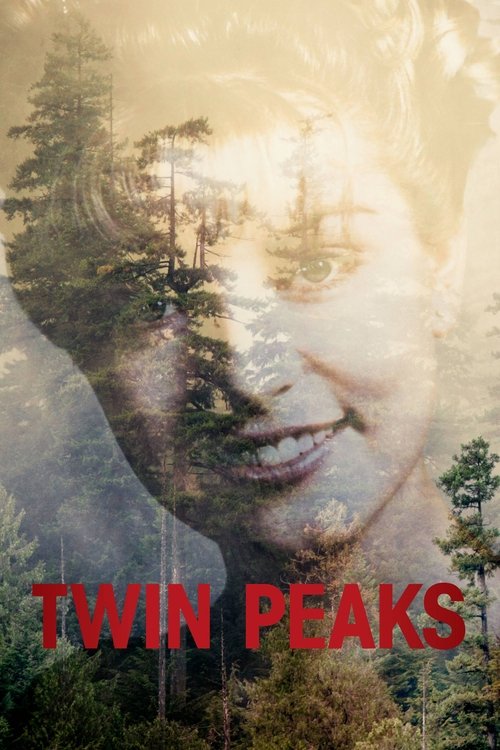
3. Twin Peaks
Twin Peaks exploded onto the scene like a dream you couldn't quite shake, twisting small-town drama into something utterly surreal. Lynch and Frost crafted this bizarre world where cherry pie and damn fine coffee met otherworldly evil and talking logs. It was a soap opera, a horror story, and a mystery all at once, forcing you to reconsider what television could even be. The atmosphere, the characters, the sheer audacity of it all – it left you questioning reality long after the credits rolled.
4. Liquid Television
MTV's Liquid Television was a glorious, unfiltered blast of pure animated chaos. It was where cutting-edge artists threw everything at the wall, from "Aeon Flux" to "Beavis and Butt-Head" shorts, and somehow it all stuck. This wasn't your Saturday morning cartoons; this was raw, punk-rock animation, a kaleidoscope of styles and subversive ideas. It felt dangerous, unpredictable, and completely essential for anyone seeking something beyond the mainstream. A true incubator for future weirdness.
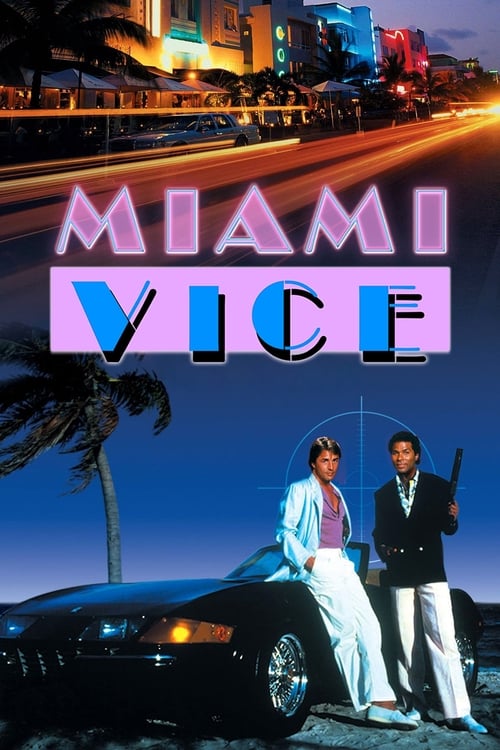
5. Miami Vice
Miami Vice wasn't just a crime show; it was a mood, a whole aesthetic draped in pastel suits and neon glows. Every shot looked like a music video, soundtracked by synth-heavy anthems that perfectly captured the excess and danger of 80s South Florida. Crockett and Tubbs navigated a world of speedboats and shadowy deals, making vice look impossibly cool. It pushed network television into uncharted stylish territory, proving that sometimes, the visuals and the vibe were just as important as the plot.
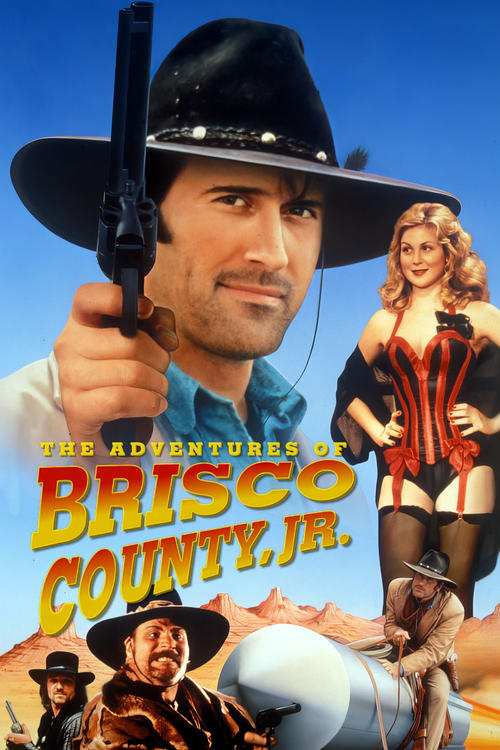
6. The Adventures of Brisco County, Jr.
The Adventures of Brisco County, Jr. was a wild, quirky ride that blended sci-fi gadgets with old-school western grit, starring Bruce Campbell in peak form. It was a cult hit before its time, a show too odd and imaginative for mainstream audiences, yet utterly beloved by those who "got it." You had secret societies, futuristic tech in the Old West, and a hero constantly outsmarting trouble. It felt like a syndicated fever dream, a perfect example of TV bravely carving its own strange path.