1. Oz
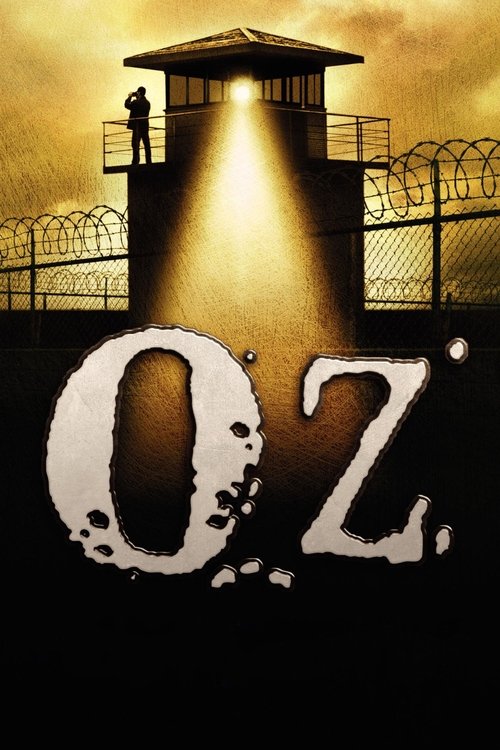
Before prestige TV was a buzzword, *Oz* kicked down the door on HBO. This wasn't just a prison drama; it was a brutal, uncompromising serialized epic. It built a world with complex characters you hated, pitied, and sometimes, incredibly, rooted for. It showed what television could do when it stopped caring about network censors and embraced genuine, gut-punching storytelling, setting a high bar for the cable era's risk-takers.
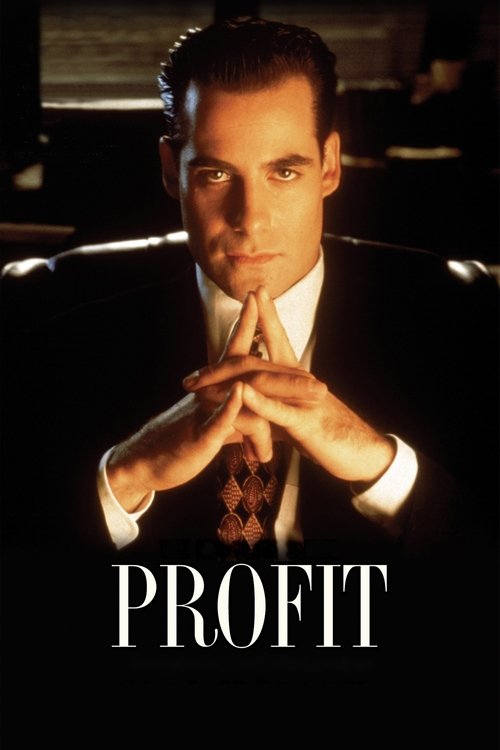
2. Profit
*Profit* was a true anomaly for network television in the mid-90s, a show so dark and amoral it felt like it accidentally landed on Fox. Jim Profit, our corporate anti-hero, operated with a chilling Machiavellian glee, manipulating everyone around him. It was a stark, stylized look at unchecked ambition, a precursor to the complex villains we'd later embrace, and far too edgy for its mid-90s time slot.
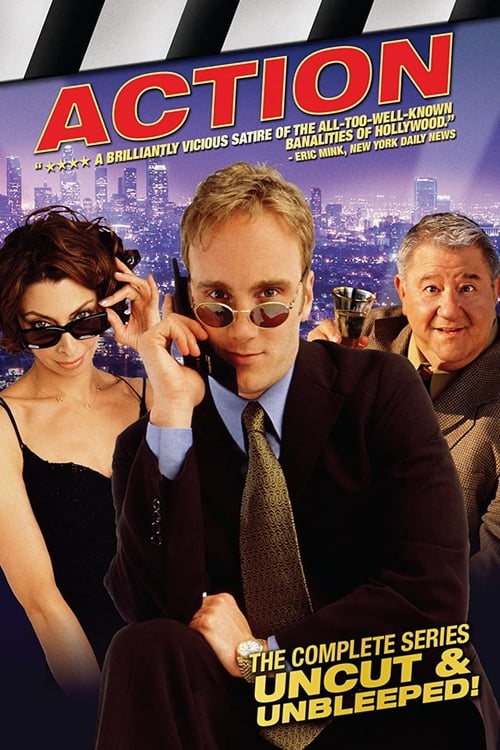
3. Action
*Action* lampooned Hollywood with a cynical, razor-sharp wit that was way ahead of its time. Starring Jay Mohr and Illeana Douglas, it pulled back the curtain on the industry's sleaze and absurdity with a mockumentary-lite style, daring to be truly offensive and hilarious. This Fox series pushed boundaries of taste and network expectations, blazing a trail for later dark comedies to follow.

4. Six Feet Under
Alan Ball's *Six Feet Under* redefined the family drama. Set in a funeral home, it explored death and life with unparalleled depth and dark humor, all while crafting some of television's most memorable, flawed characters. Its serialized nature allowed for profound character arcs and an emotional honesty that was groundbreaking, solidifying HBO's reputation for prestige, character-driven storytelling.
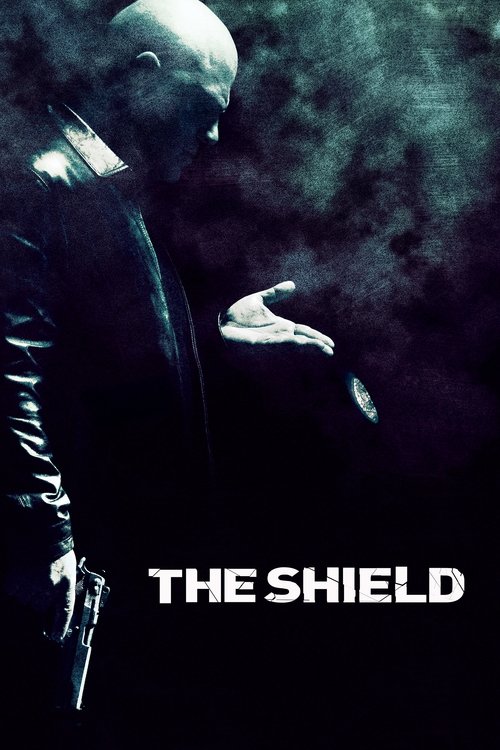
5. The Shield
*The Shield* hit FX like a brass knuckle sandwich. Vic Mackey was the ultimate anti-hero, a corrupt cop you still found yourself rooting for. This show didn't just push boundaries; it blew them up, proving cable could deliver visceral, serialized crime drama with cinematic intensity. It was gritty, morally ambiguous, and unapologetically brutal, a benchmark for the network's rise.
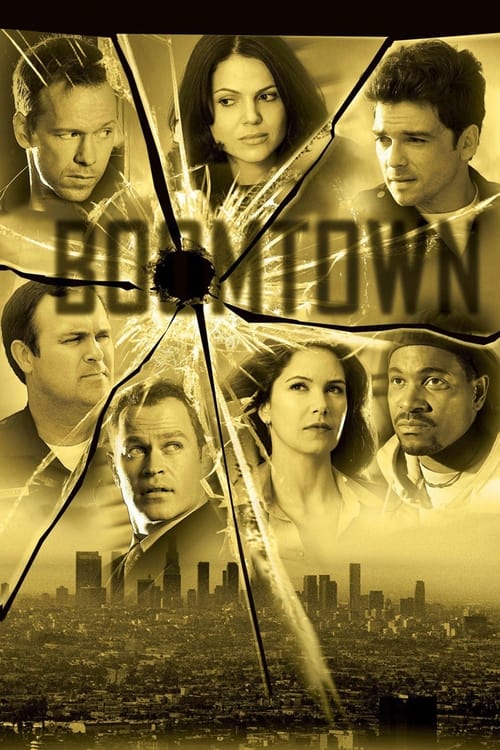
6. Boomtown
*Boomtown* was an ambitious procedural experiment on NBC, telling its crime stories from multiple, shifting perspectives—cop, victim, perp. It required viewers to piece together the narrative, a bold move for network television. This ensemble-driven show played with structure in a way that felt fresh and cinematic, demonstrating that even mainstream networks could try complex, serialized storytelling, albeit briefly.
7. Carnivàle
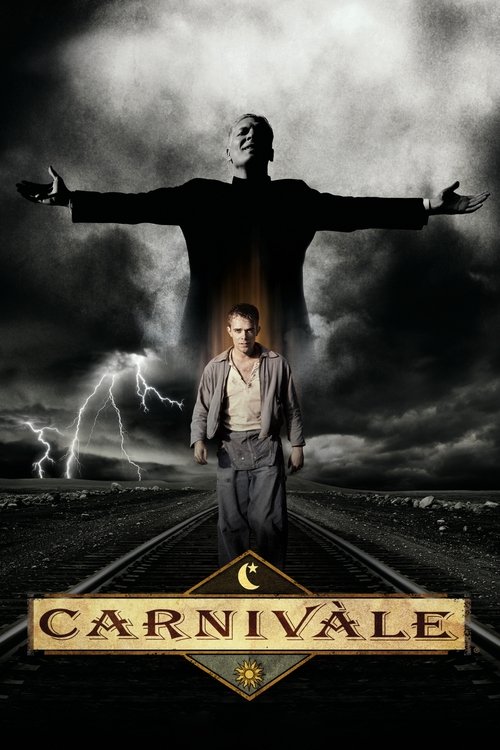
*Carnivàle* was an audacious swing by HBO, a sprawling, Depression-era saga steeped in mysticism and surrealism. Its slow-burn, deeply serialized narrative and stunning visuals created an immersive, often unsettling world. While its mythology could be dense, it was a prime example of cable's willingness to invest in unique, cinematic storytelling that demanded viewer commitment, creating an unforgettable, atmospheric experience.
8. K Street
Soderbergh and Clooney's *K Street* was a fascinating, experimental blend of fiction and reality. Filmed and aired almost in real-time, week-to-week, with real politicians, it was a mockumentary-style look at Washington D.C. lobbying. This HBO series was an early, daring attempt at hyper-topical, improvised storytelling, hinting at the immediacy and niche appeal later found in on-demand streaming.
9. Wonderfalls
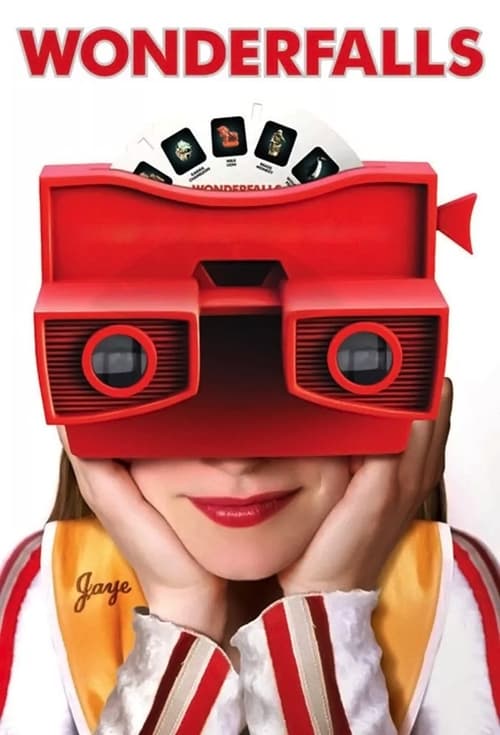
Bryan Fuller's *Wonderfalls* was a quirky, imaginative gem that found its voice too soon for Fox. Jaye Tyler, a cynical souvenir shop employee, hears inanimate objects talk, compelling her to help people. Its unique blend of humor, fantasy, and philosophical undertones, along with its distinct visual style, showcased the kind of serialized, character-driven oddity that would thrive on cable later.
10. John from Cincinnati
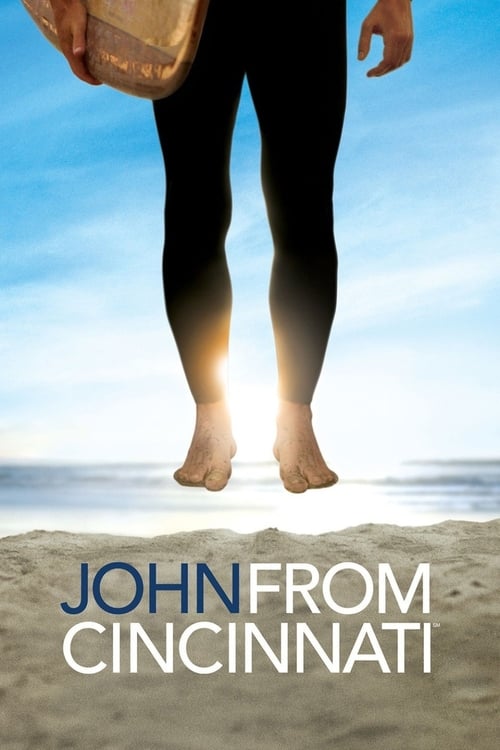
David Milch's post-*Deadwood* follow-up, *John from Cincinnati*, was as enigmatic as it was ambitious. This HBO series delved deep into the spiritual and the surreal within a surfing community, defying easy categorization. It was a challenging, deeply philosophical experience, a testament to HBO's faith in creators to push narrative boundaries, even if it left many viewers scratching their heads.
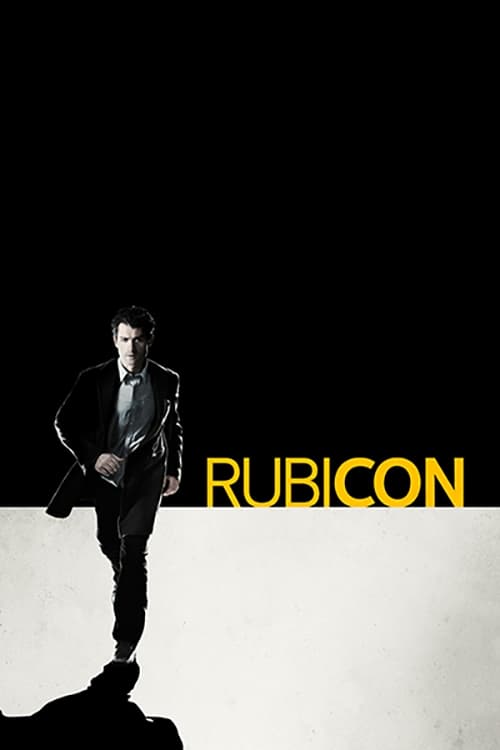
11. Rubicon
*Rubicon* on AMC was a masterclass in slow-burn paranoia. This post-9/11 conspiracy thriller focused on an intelligence analyst unraveling a vast, shadowy organization. Its intellectual approach, meticulous plotting, and understated performances created a mood of pervasive unease. It was AMC showing its hand: complex, serialized dramas with a sophisticated, cinematic sheen were their new standard.
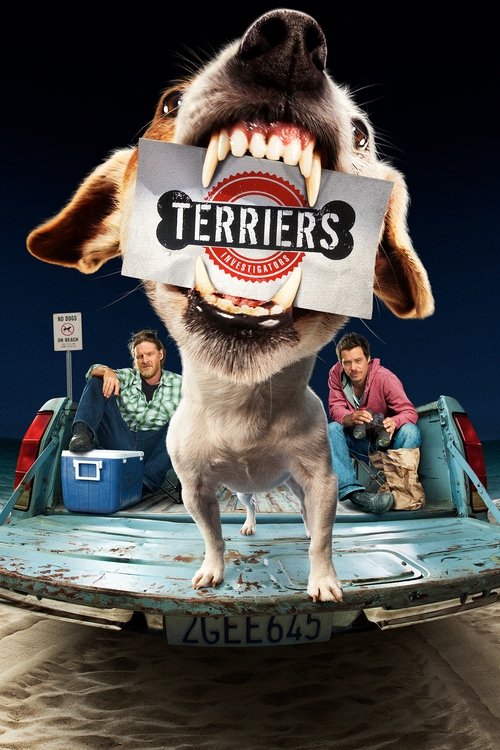
12. Terriers
FX's *Terriers* was a gem that deserved so much more. This buddy P.I. dramedy was a perfect blend of neo-noir grit, humor, and heartbreaking character work. It eschewed flashy action for grounded, emotionally resonant storytelling about two flawed but endearing guys trying to do good. It was raw, authentic, and a shining example of cable's commitment to character-driven serialized narratives.