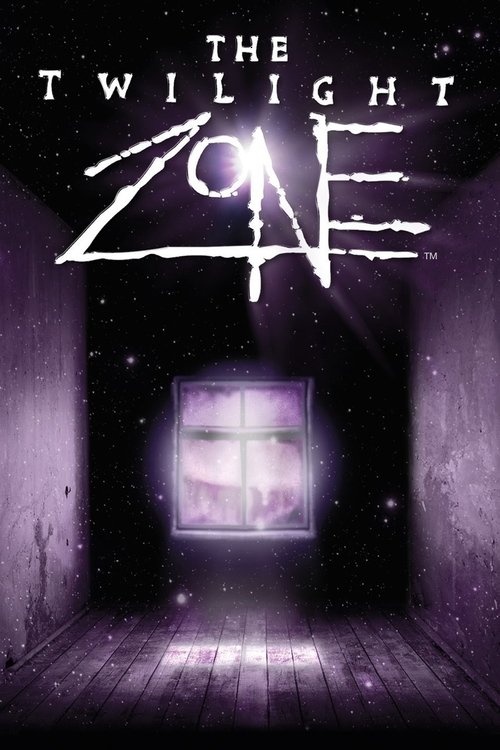
1. The Twilight Zone
Ah, "The Twilight Zone." Rod Serling was a master of the short story, wasn't he? Each week, a new tale, often with a twist that made you think long after the credits rolled. And on those early kinescopes, the stark black-and-white just amplified the mood. It wasn't always comfortable viewing, but it was always compelling, a true showcase for anthology storytelling. It showed television could be more than just entertainment; it could be art.
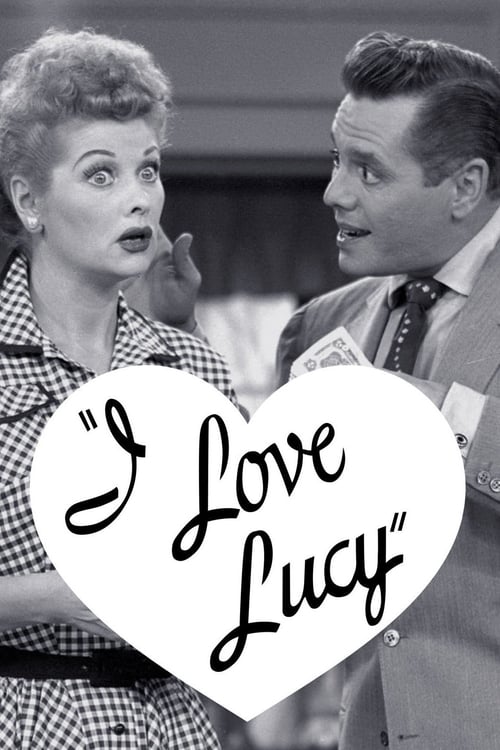
2. I Love Lucy
Now, "I Love Lucy" was something else entirely. That Desilu production, with its three-camera setup, practically invented the modern sitcom. Lucille Ball, a force of nature! Her physical comedy, the rapid-fire dialogue, it all just clicked. Even in black-and-white, her expressions spoke volumes. It was pure, unadulterated escapism every Monday night, a real masterclass in how to make folks laugh. And it still holds up, you know.

3. The Ed Sullivan Show
Ed Sullivan, he had everybody on his stage, didn't he? From the British Invasion to plate spinners, you never quite knew what you'd see. It was live television at its most raw, a weekly happening that brought the whole family together. And sometimes, you could feel the tension, the slight flub, the sheer spontaneity of it all. A true cornerstone of early broadcast, showcasing the best, and sometimes the oddest, of popular entertainment.
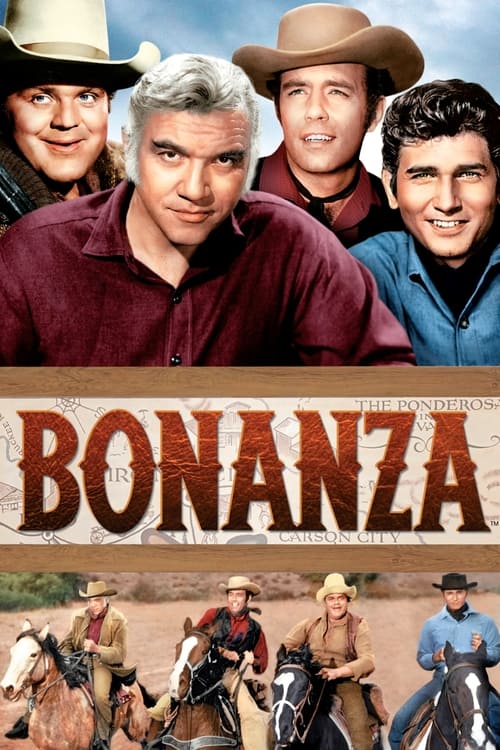
4. Bonanza
Bonanza" brought the Ponderosa right into our living rooms, in glorious color, no less! For a long stretch, the Cartwrights were America's favorite ranching family. It had action, sure, but also a good dose of moral lessons each week, often steeped in that black-and-white melodrama style even when the picture was vibrant. A cornerstone of the early evening schedule, it showed that a Western could have heart and staying power.
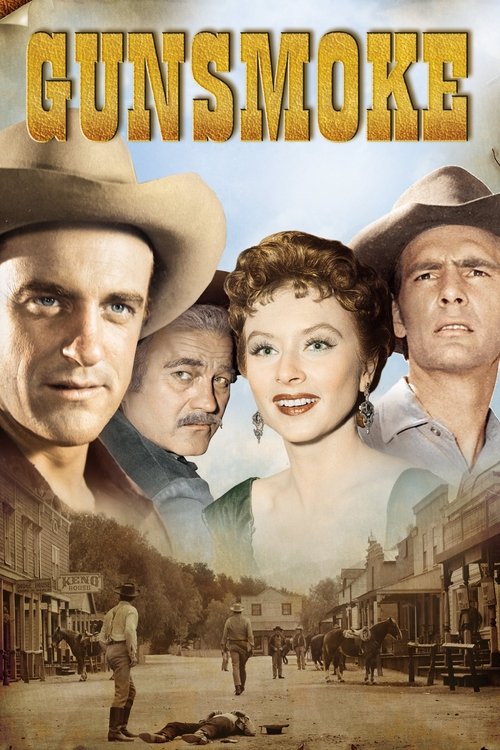
5. Gunsmoke
"Gunsmoke" was a different kind of Western, wasn't it? More grit, more dust. Marshal Dillon and Miss Kitty were fixtures for decades. It started in black-and-white, of course, giving those frontier stories a stark, almost documentary feel. And for a long time, it truly defined what a dramatic series could be, setting a standard for character development over many seasons. A real heavyweight of the golden age.

6. Dragnet
"Dragnet." Just the facts, ma'am. Jack Webb's approach was revolutionary, bringing a stark, almost journalistic tone to the police procedural. The dialogue was clipped, the pace deliberate, and those early episodes, often shot in a no-nonsense black-and-white, felt incredibly authentic. It proved that television didn't need flashy theatrics to be utterly compelling. It was a serious show for a serious time, and it paved the way for so much that followed.
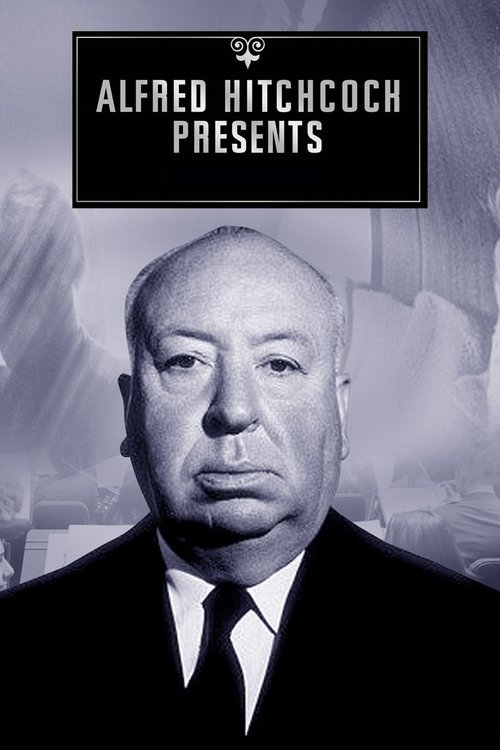
7. Alfred Hitchcock Presents
Ah, the silhouette of Alfred Hitchcock. He had a way of introducing those macabre little tales, didn't he? Each week, a self-contained story of suspense, often with a wicked, unexpected twist. The black-and-white photography accentuated the shadows, making the ordinary seem sinister. It was anthology storytelling at its peak, proving that clever writing and masterful direction could scare you silly, even without a huge budget. A true master at work.
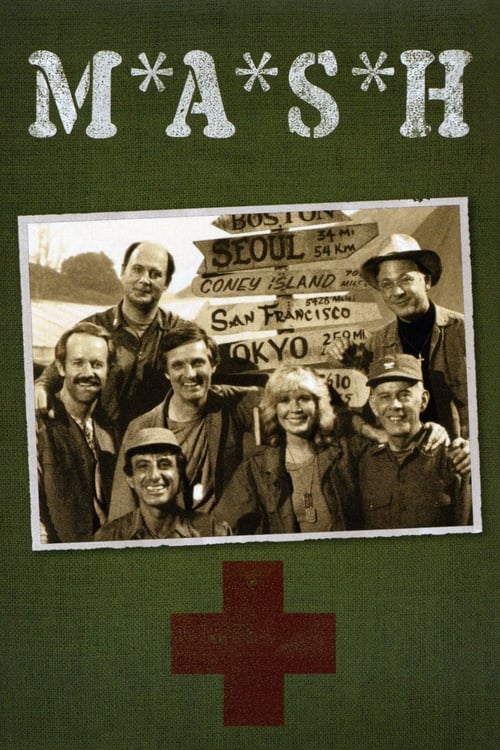
8. M*A*S*H
"M*A*S*H." Now, that was a comedy with teeth, wasn't it? Set during the Korean War, it managed to find humor amidst the tragedy, often hitting you with a punch to the gut after a good laugh. It moved from a laugh-track format to a more dramatic ensemble piece, showing how television could evolve. And by the end, everyone was watching, a true cultural event with a finale that just about stopped the nation.
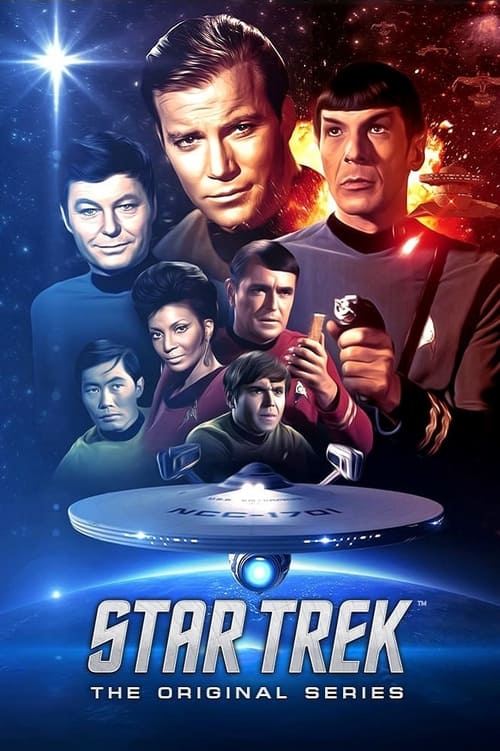
9. Star Trek
"Star Trek." Who'd have thought a show set in space could be so impactful? Gene Roddenberry envisioned a future where people of all stripes worked together, tackling big ideas each week under the guise of adventure. Those early episodes, sometimes a bit rough around the edges, were often incredibly daring for their time, pushing boundaries and exploring social issues. It truly showed the potential for serialized storytelling to build an entire universe.
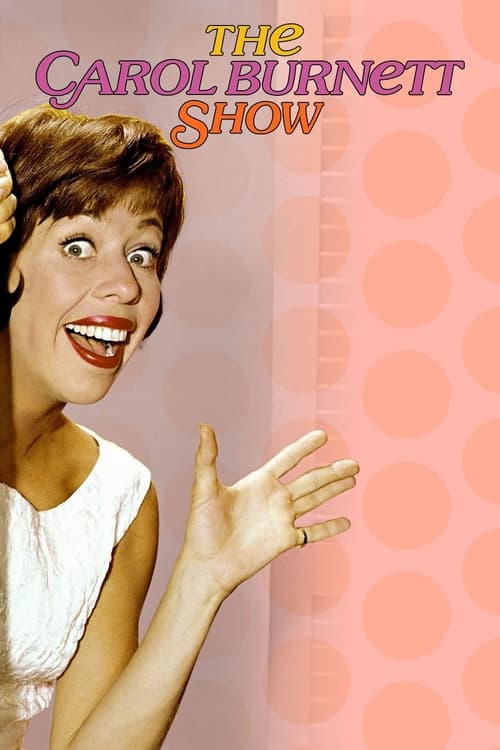
10. The Carol Burnett Show
"The Carol Burnett Show" was pure joy, wasn't it? Carol, Harvey, Tim, Vicki – a dream team of comedic talent. It was the epitome of the variety show, with sketches, music, and that live audience energy flowing right through the screen. And Carol's audience Q&A, so natural, so genuine. It felt like family, a weekly invitation to laugh until your sides hurt. A testament to the power of live, unscripted moments on television.
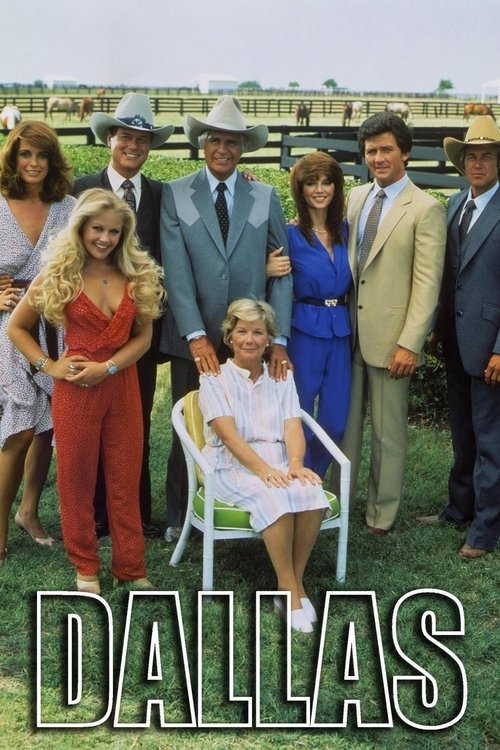
11. Dallas
"Dallas." Well, that's where things really started to change, wasn't it? The prime-time soap opera, with its oil barons and backstabbing, kept everyone glued to their sets. And that "Who Shot J.R.?" cliffhanger, my word, it was all anyone talked about! It proved that long-form continuity and those dramatic, serialized storylines could captivate an entire country, showing how powerful a good, drawn-out mystery could be. A real game-changer.

12. The Fugitive
"The Fugitive." Richard Kimble, on the run for a crime he didn't commit. Each week, a new town, a new identity, a new chase. It was serialized drama before "serialized drama" was even a common phrase, building incredible tension episode after episode in stark black-and-white. You really felt for him, hoping he'd finally catch that one-armed man. A masterclass in suspense, showing how a single premise could sustain years of compelling television.