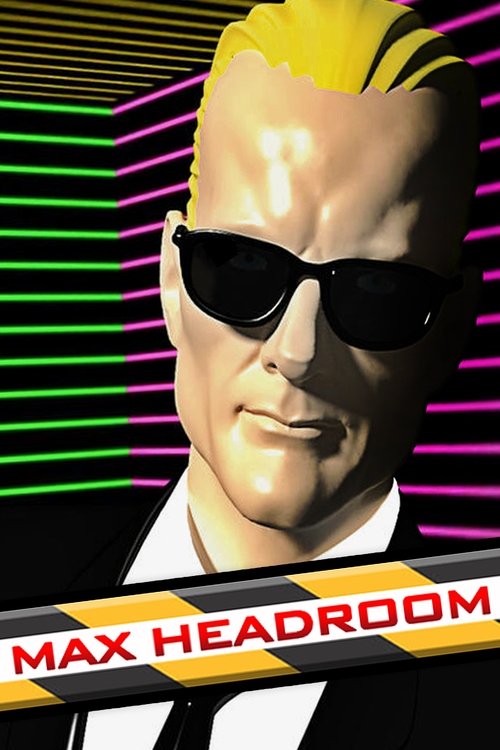
1. Max Headroom
This show was a glitch in the system, a digital personality running wild on network TV. Max Headroom wasn't just a character; he was a commentary on media saturation, a pixelated rebel. The analog effects were jarring, brilliant. You watched it, unsure if you were seeing the future or a broadcast error. It was cyberpunk before the word meant anything to mainstream audiences, chaotic and utterly unique, blurring the lines between signal and noise. Reality felt like a buffer overflow.
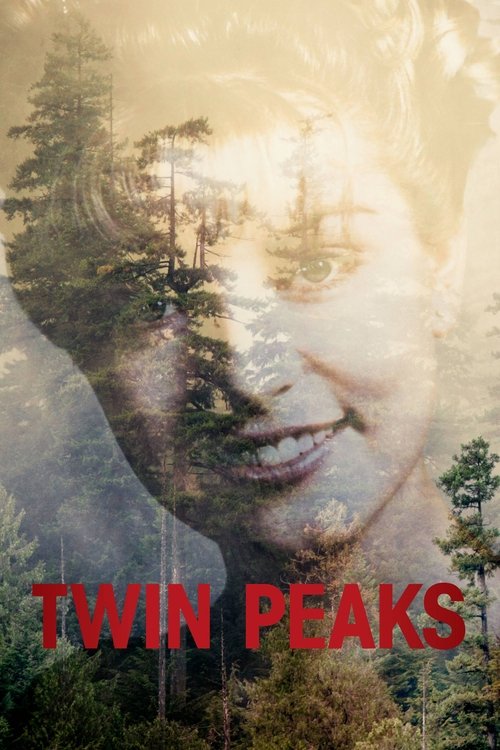
2. Twin Peaks
Forget what you thought a murder mystery was. Lynch and Frost dropped us into this small town, and suddenly cherry pie and damn fine coffee were gateways to something far stranger. It was a soap opera that swallowed a horror movie, then puked up surrealism. Every character was a fractured mirror, reflecting something unsettling. And that Red Room? Pure nightmare fuel, a place where logic simply didn't apply. Reality bent, then snapped, and we loved it.
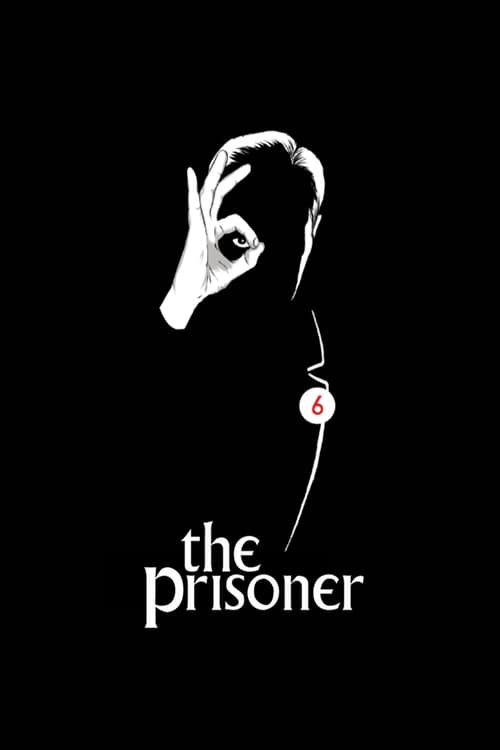
3. The Prisoner
Number Six wasn't just escaping a village; he was fighting conformity itself. This show was a mind-fuck long before anyone called it that. Every episode peeled back another layer of paranoia, making you question authority, identity, and the very nature of freedom. The visual style, the unsettling normalcy of the Village, it all screamed "you are not in control." A proto-dystopia that proved reality is just a construct someone else built for you.
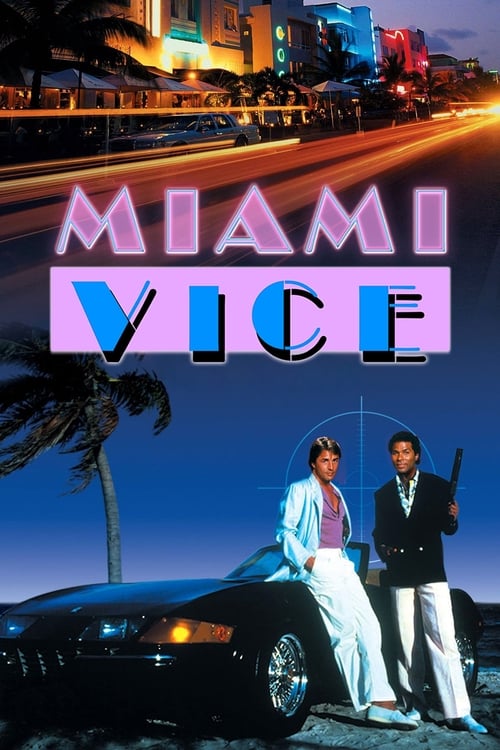
4. Miami Vice
Crockett and Tubbs were less cops, more walking fashion statements against a backdrop of neon and synth-pop. This wasn't just a police procedural; it was a mood, a whole damn vibe. Every shot was a music video, every plot point drenched in saturated colors and slick surfaces. It turned everyday crime into an operatic, stylish spectacle where the aesthetics were as important as the arrests. Reality was just an excuse for a killer soundtrack and pastel suits.
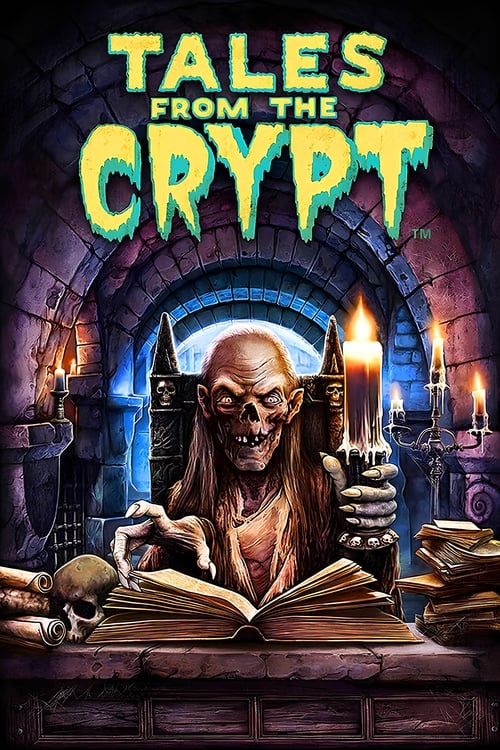
5. Tales from the Crypt
HBO let the Crypt Keeper loose, and cable TV got gloriously, gorily weird. This wasn't subtle horror; it was EC Comics brought to life, complete with pulpy morality tales and fantastic practical effects. Each episode was a twisted, self-contained universe of comeuppance and dark humor. The practical creature work and grotesque makeup made sure you knew this wasn't your grandma's horror. It reveled in making reality a bloody, ironic joke, often with a wink.
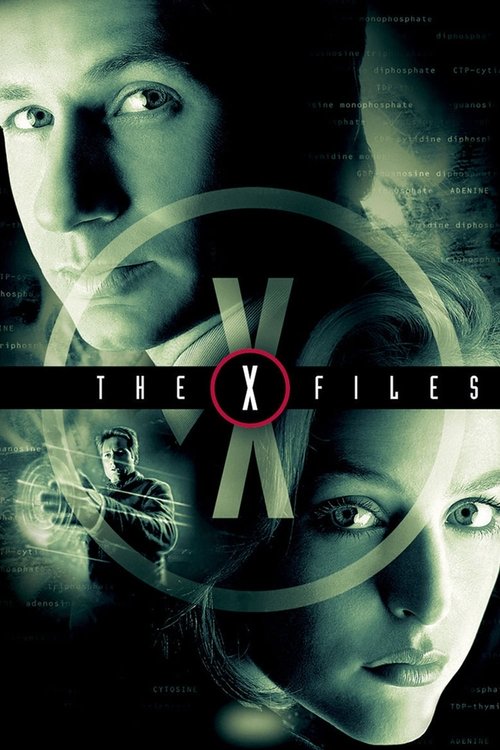
6. The X-Files
Mulder and Scully made everyone question everything. Was it aliens? Government conspiracies? Or just a really good monster of the week? The show tapped into that deep-seated paranoia, the feeling that truth was out there, but perpetually just out of reach. It pioneered the serialized mystery arc while still delivering standalone freaks. It wasn't just entertainment; it was a cultural phenomenon that convinced a generation that reality was negotiable.
7. Liquid Television
MTV's animated fever dream. Liquid Television wasn't a show; it was an explosion of raw, untamed creativity. Short-form, experimental, often disturbing animation that pushed boundaries and spawned Beavis and Butt-Head and Æon Flux. It was a true punk rock variety show for your eyeballs, a chaotic montage of styles and ideas, showing what happens when artists are given a playground and told to go wild. Reality was whatever the animators cooked up next.

8. Mystery Science Theater 3000
Joel and the bots turned bad movies into brilliant comedy. MST3K was a low-budget masterpiece, proving that you didn't need big studios to make magic. It was the ultimate meta-commentary, a show about watching a show, dissecting the absurdities of cinema. They built their own reality, a satellite full of wisecracks and cardboard sets. It taught us to talk back to the screen, making the passive act of viewing an active, hilarious rebellion.
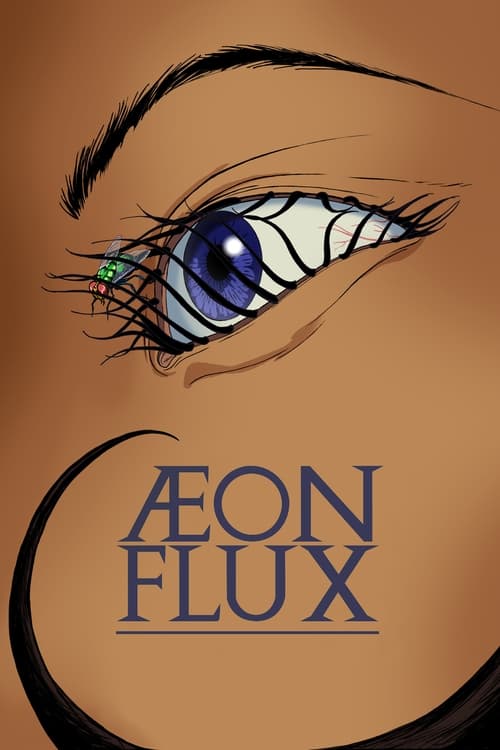
9. Æon Flux
Peter Chung's animated masterpiece from Liquid Television spun off into its own bizarre world. Æon Flux was pure, unadulterated cyberpunk artistry. No dialogue, just stark, hyper-stylized action, impossible physics, and a deeply unsettling vision of a future that felt both sterile and violently alive. It was a ballet of espionage and surrealism, where every frame oozed style and danger, making you question every biological and physical law you thought you knew.
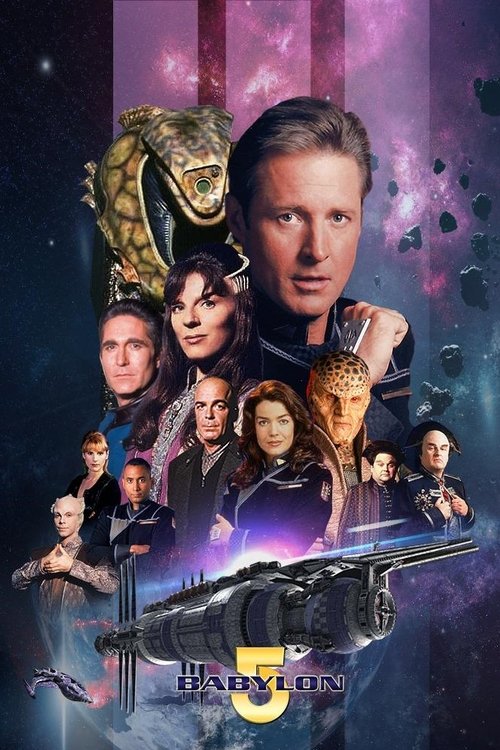
10. Babylon 5
Forget episodic space adventures. Babylon 5 was a novel on television, a meticulously planned five-year saga of war, politics, and ancient evils. It dared to tell a story with a beginning, middle, and end, making every character choice, every diplomatic maneuver, resonate. The CGI was clunky by today's standards, but the ambition was staggering, building a universe so dense and intricate it felt more real than your living room, or any other space show.
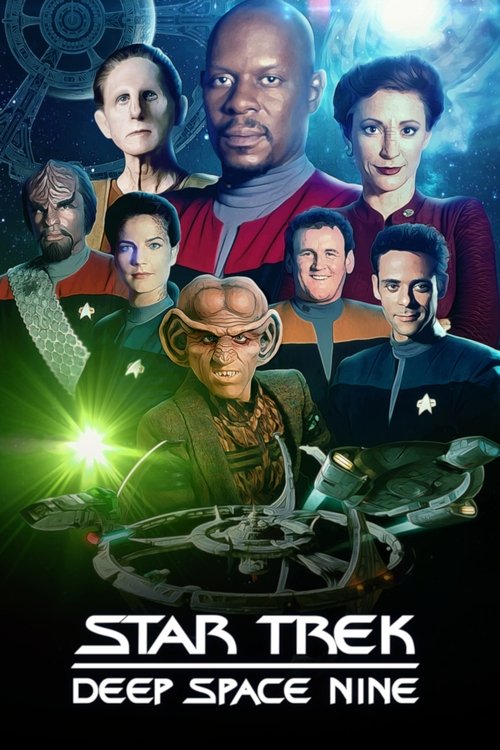
11. Star Trek: Deep Space Nine
Trek got dark. Deep Space Nine ditched the starship for a space station, forcing its crew to confront moral ambiguities, religious zealotry, and brutal warfare. It was serialized storytelling at its finest, digging into complex characters and long-form conflicts, proving that Starfleet wasn't always shiny and optimistic. This was Star Trek grown up, showing that even in a utopian future, reality is still messy, complicated, and often heartbreaking.
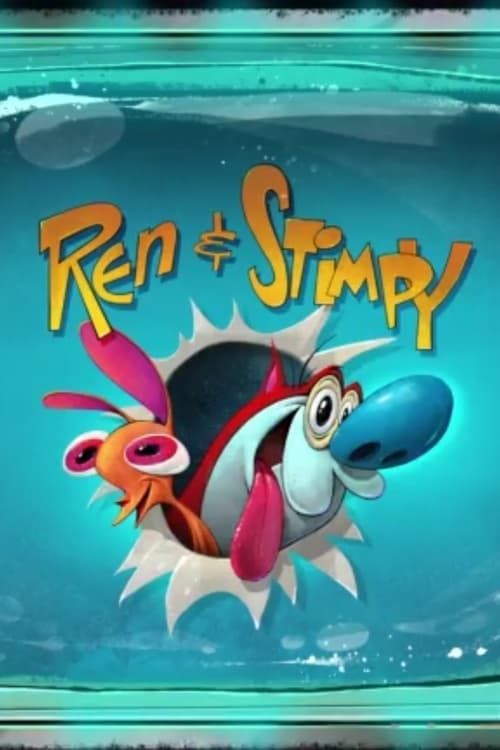
12. Ren & Stimpy
This cartoon was a glorious, grotesque assault on good taste. Ren & Stimpy threw out the rulebook for kids' animation, serving up hyper-detailed close-ups of bodily fluids, surreal non-sequiturs, and genuinely unsettling visual gags. It was anarchic, disgusting, and utterly brilliant, proving that animation could be genuinely subversive and weird. Reality, as presented by this duo, was a rubber hose nightmare of extreme emotions and questionable hygiene.